Overview of Recent Price Trends Nationally in Brazil
Brazil’s property prices have experienced varied movements across the country. While some regions have witnessed moderate growth in real estate values, others have faced stability or even slight declines. According to data from the Brazilian Institute of Geography and Statistics (IBGE), the national average price per square meter increased by approximately 3.5% over the past year, reflecting gradual recovery after economic instabilities.
This nuanced pattern suggests regional disparities, making a national average only part of the bigger picture for potential buyers and sellers.
Hotspots with Rising Prices vs Stagnant Areas in Brazil
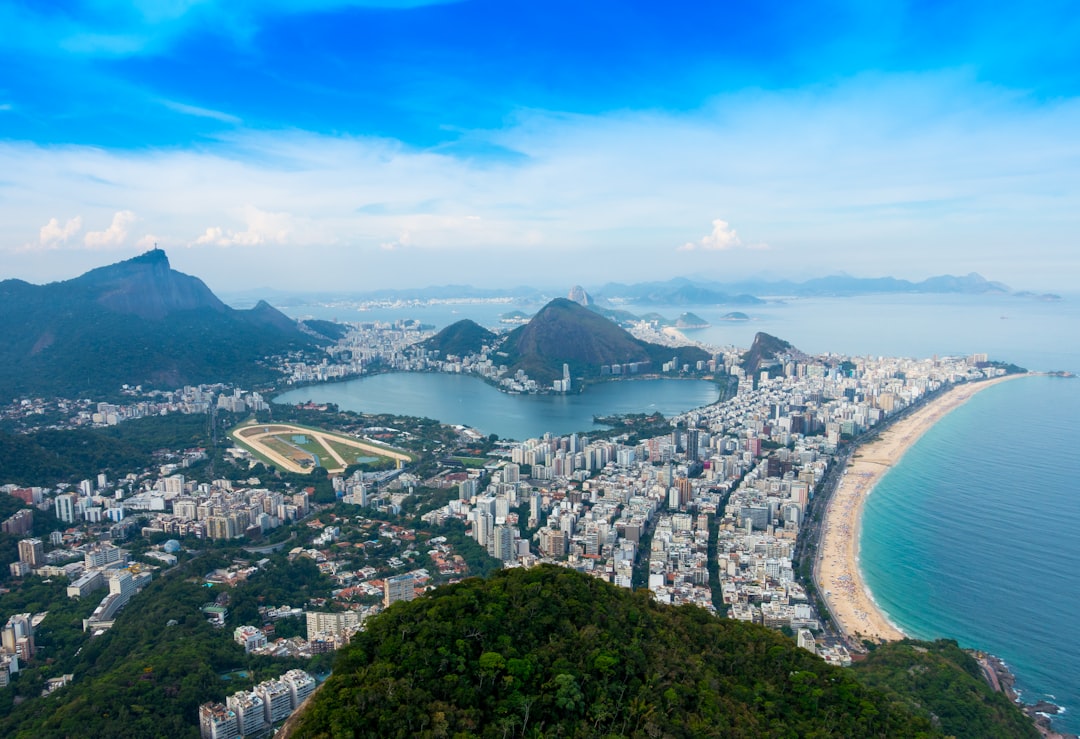
Certain urban centers and coastal regions emerge as hotspots with noticeable price appreciation. Cities like São Paulo and Rio de Janeiro have seen property values climbing between 5% and 7%, driven by demand from both local and international buyers seeking lifestyle or investment opportunities. Additionally, resort areas such as Florianópolis real estate opportunities have attracted higher prices due to tourism and infrastructure developments.
Conversely, some inland and less developed areas remain stagnant or have experienced marginal drops, mainly due to limited demand and slower economic growth. This divide creates opportunities for investors looking for bargains and long-term growth potential.
Contributing Factors: Economy and Foreign Exchange in Brazil
Several key factors influence Brazil’s property price dynamics. The country’s economic health, including GDP growth and employment rates, plays a crucial role. Recent modest economic expansion has supported cautious confidence among buyers.
Foreign exchange rates also significantly impact the market. A weaker Brazilian real often encourages foreign investments by lowering purchase costs for international buyers, thereby stimulating price increases in attractive regions. Conversely, currency volatility can create uncertainty that dampens market activity.
Buyer’s Market or Seller’s Market? Negotiation Power in Brazil
The Brazilian real estate market currently presents a mixed scenario between buyer’s and seller’s markets, varying by location. In high-demand urban and coastal hotspots, sellers tend to have more negotiation power, with faster sales and fewer price reductions.
However, in stagnant or less desirable areas, buyers hold the advantage, able to negotiate better prices and terms. For instance, in São Paulo properties, the average demand has been noteworthy, reflecting its appeal to both local and foreign investors. Understanding this landscape helps buyers and sellers approach negotiations strategically, maximizing value.