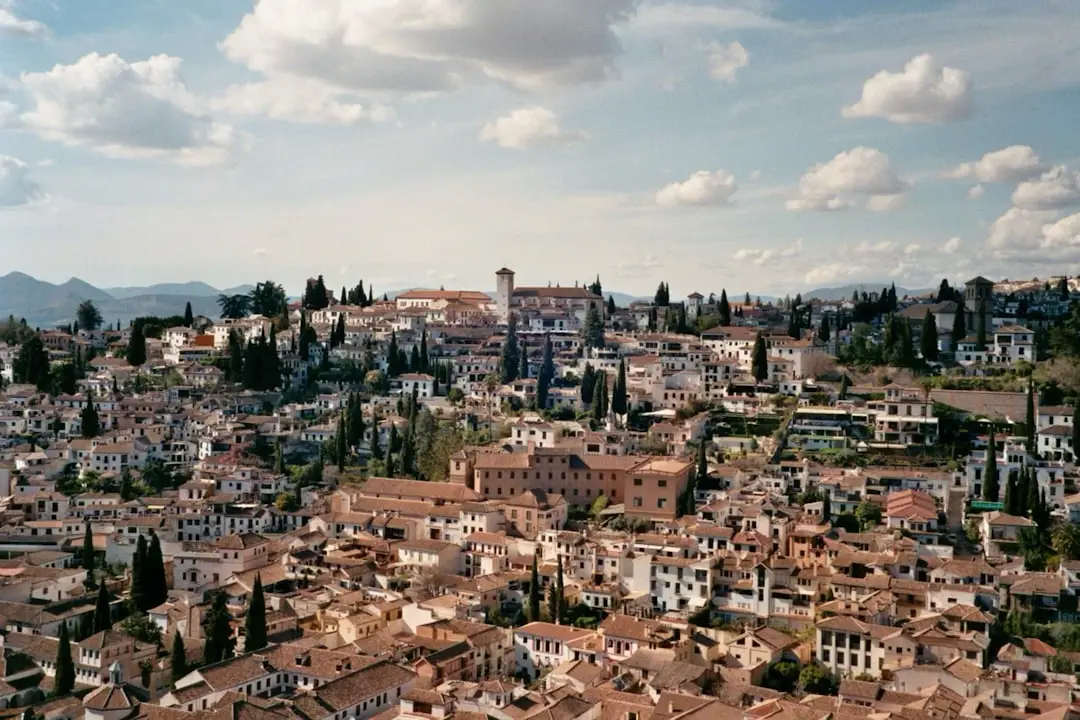
Living in Euskadi: triple urban hub and above-average quality of life
Bilbao, Donostia-San Sebastián, Vitoria-Gasteiz: skilled jobs and top-tier services
Spanish Basque Country is organised around a particularly attractive urban triangle: Bilbao, Donostia-San Sebastián and Vitoria-Gasteiz. These three capitals offer a high concentration of skilled jobs, public facilities and services far above the Spanish average.
You’ll find:
- a solid industrial and technological fabric (energy, engineering, Industry 4.0);
- well-regarded universities and research centres;
- an efficient hospital and school network;
- a well-developed public transport culture.
For a life change project while maintaining your career, these cities make it possible to combine a demanding professional life with a calmer environment than in major international metropolises.
Strong cultural identity, sports and gastronomy shaped by the Atlantic
Living in Euskadi also means embracing a very strong regional culture: Basque language, local festivals, and vibrant community and sports life. You feel it in everyday life, both in cities and villages.
A few features that make a difference:
- an outdoor-oriented lifestyle: surfing, hiking, cycling, Basque pelota, trail running;
- high-level gastronomy, from pintxos to Michelin-starred restaurants;
- a strong attachment to the territory, reflected in the good maintenance of buildings and public spaces.
For a property project, this also translates into stable residential demand, including off-season, and a premium on lively neighbourhoods close to shops and social hubs. 😊
Prices in 2026: one of the most expensive regions in Spain
Donostia September 2026: €6,250/m², +12.2% y/y, flat m/m
In 2026, Donostia-San Sebastián stands out as one of the most expensive markets in Spain. As an indication, around September 2026 we see:
- an average price of around €6,250/m²;
- annual growth of about +12.2%;
- near-stability over one month (around -0.5% m/m).
In practical terms, a well-located 70 m² flat can exceed €430,000, excluding works and fees. Family-sized units (90–110 m²) in the most sought-after neighbourhoods easily go beyond €700,000.
This price pressure reflects:
- solid, relatively non-cyclical local demand;
- scarce land, heavily constrained between sea and hills;
- a discreet but robust international market.
In the specific segment of second homes, data from properties viewed by buyers in Donostia-San Sebastián suggest more modest budgets, with an average of around €385,000 for more generous floor areas (137 m²). This confirms a highly segmented market, where small, well-located units remain the most expensive per square metre, while larger properties, sometimes less central or in need of updating, show softer unit prices.
Euskadi: high regional prices, Bilbao ~€3,709/m²
At the Euskadi regional level, prices remain among the highest in Spain. Bilbao, for example, shows a level close to €3,709/m² at the end of 2026, cited as an all-time high by the local press.
A few useful benchmarks:
- Bilbao proper: strong disparities between renovated central districts, former working-class areas in transition, and more residential zones;
- Vitoria-Gasteiz: more affordable but dynamic, supported by its administrative role and industrial fabric;
- Gipuzkoan coast: marked premium for any sea view or direct proximity to the ocean.
Property purchasing power is therefore under strain, even for households with comfortable incomes. The trade-off between floor area, location and condition becomes central in any purchase project.
Where to live, depending on your project
Premium city centre vs second ring for families (AP-8/rail mobility)
The choice of location depends heavily on your life project:
- Premium city centre (Bilbao, Donostia, Vitoria): ideal for very urban professionals who want everything within walking distance, a rich cultural offer and top-level services. Prices are high and floor areas limited.
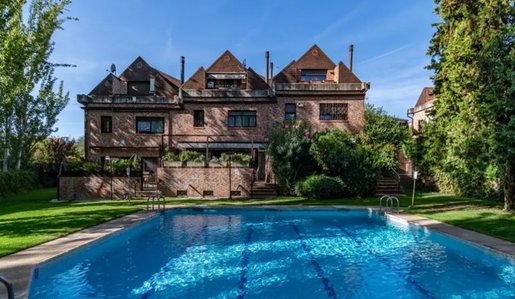
- Second ring for families: towns well connected by the AP-8 motorway, rail links or intercity buses. You gain space, peace and often a garden, at the cost of daily commuting.
For a project with children, the second ring is often a good compromise:
- semi-detached or detached houses more affordable than in the city centre;
- good-quality schools and decent sports facilities;
- reasonable access to employment hubs thanks to the main road corridors.
Data collected by Green Acres on the different Basque provinces also show that the presence of foreign buyers is concentrated mainly on the Gipuzkoan coast, while inland areas such as Álava are almost entirely driven by local demand. This geography of buyers is reflected in the price gaps between the coast and the hinterland.
Gipuzkoan coast: views, hikes, high budgets and scarce supply
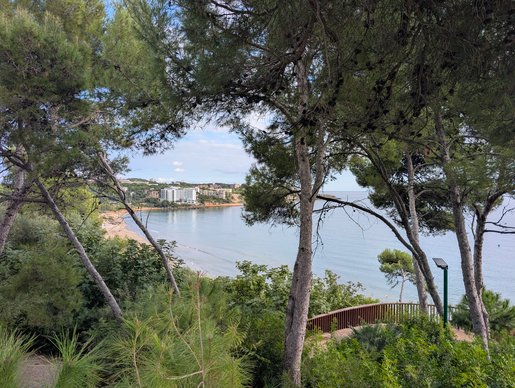
The Gipuzkoan coast concentrates some of the most desirable markets in northern Spain. The combination of cliffs, beaches, fishing ports and hiking trails attracts both full-time residents and second-home buyers.
You’ll find:
- villages clinging to the coast with partial or panoramic sea views;
- direct access to coastal walks and surf spots;
- a very high-quality offer of restaurants and small shops.
In return:
- budgets are high, often close to or above Donostia’s levels as soon as you have a view or immediate proximity to the water;
- supply is scarce, with many properties staying in the same families or changing hands through local networks;
- competition is intense for 60–90 m² properties with a terrace or garden.
To secure a purchase, it is often necessary to:
- move quickly on well-located properties;
- accept compromises (lateral view, less space, renovation work);
- extend the search perimeter to villages set slightly back from the coast.
Basque villages with strong residential appeal
Getaria, Hondarribia, Lekeitio: seafaring, heritage-rich, highly sought after
Some villages combine a strong maritime heritage, well-preserved built heritage and a picture-postcard atmosphere. They top the list for both main residence and second-home projects.
Among the most sought-after:
- Getaria: active port, txakoli vineyards, fine architectural quality, proximity to Donostia;
- Hondarribia: fortified historic centre, colourful fishermen’s quarter, cross-border access to France;
- Lekeitio: charming coastal village, urban beach, preserved authenticity.
The effects on the property market are clear:
- very few properties for sale year-round;
- upward price pressure as soon as a property combines a view, outdoor space and period charm;
- very strong pressure on well-located family flats.
In the province of Gipuzkoa, Green Acres observes that French buyers account for around 21% of foreign demand, with a median price of about €675,000 for relatively compact properties (around 57 m²). This buyer profile, willing to pay high prices for character properties in prime locations, helps support values in these emblematic villages.
Dispersed accommodation and selective seasonal market (high average basket)
In these villages, there is often a pattern of dispersed accommodation: small guesthouses, B&Bs, tourist apartments limited by local regulations, boutique hotels.
The seasonal market is rather upmarket:
- stays longer than average (families, couples seeking peace and quiet);
- high spending levels on site (restaurants, activities, local products);
- steady off-peak demand, driven by long weekends and remote work.
For a buyer, this means:
- a selective but solvent seasonal rental demand;
- a need to position yourself more on the comfort/character segment than on low-cost;
- careful attention to local rules on tourist accommodation (quotas, licences, co-ownership restrictions).
Buying in 2026: levers and constraints
Moderate rental yields vs substantial tied-up capital
In Basque Country, high price levels often imply moderate rental yields, especially for main residences or year-round rentals. The real lever lies more in capital preservation and the prospect of long-term appreciation.
Keep in mind:
- gross yields often lower than in other Spanish regions, especially inland or in some major conurbations;
- significant acquisition costs (taxes, notary, potential renovation);
- substantial capital tied up, which must align with your holding horizon.
On the other hand, the region offers:
- historical price resilience, even in periods of slowdown;
- ongoing appeal for quality properties in iconic locations;
- a living environment that delivers a strong “intangible return” for a life project. 🌿
Importance of surveys/co-ownerships and local taxation
Basque buildings, often old and exposed to an oceanic climate, require special attention when buying.
Key points to watch:
- technical surveys: building envelope (roof, façades, joinery), insulation, damp issues, heating systems;
- co-ownerships: works voted or upcoming, management of common areas, level of service charges;
- adaptation to new energy standards in the medium term.
Added to this are the specificities of local taxation (acquisition taxes, property taxes, rules for seasonal rentals, any surcharges on second homes depending on the municipality).
Working with professionals who understand both the Basque market and the Spanish regulatory framework will help you:
- secure the transaction from a legal standpoint;
- anticipate your real costs over 5 to 10 years;
- optimise the structure if you combine personal use and rental.
2026–2030: high-level stability, premium on iconic locations
Targeted urban regeneration and rail mobility
By 2030, the most likely scenario for Euskadi is stable but high prices rather than a further surge.
Several structural factors underpin this:
- urban regeneration programmes in certain districts of Bilbao, Vitoria and Donostia;
- gradual improvement in regional and interregional rail links;
- a desire to contain urban sprawl, which limits new supply.
Areas well connected by transport (stations, express buses, major road links) should continue to benefit from robust demand, even in the second ring.
Recurring international demand (FR/DE/NL)
International demand, particularly from France, Germany and the Netherlands, remains a constant feature of the Basque market.
These buyers are generally looking for:
- emblematic coastal villages or well-preserved historic districts;
- good accessibility (Bilbao and Biarritz airports, motorway network);
- quality, move-in-ready properties requiring little major work.
This international presence maintains upward pressure on prices in iconic locations, but it also brings:
- greater liquidity in case of resale;
- a structured seasonal or medium-term rental market;
- a diversity of profiles and projects, which supports local vibrancy.
For a foreign buyer, getting in early, preparing financing thoroughly and relying on trustworthy local contacts remain the best strategies for a successful project in Basque Country between 2026 and 2030. 🌊