Legal Process and Professionals in Spain
One major difference in buying property lies in the legal framework and the professionals involved. In Spain, property transactions are overseen by a notary and often handled by a buyer’s lawyer. Once a deposit contract called the arras is signed, both buyer and seller are legally committed: if the buyer backs out, they lose their deposit; if the seller withdraws, they must pay double the deposit. This creates strong commitment early on.
In contrast, the US uses escrow and title companies to facilitate transactions, adding a neutral party to manage funds and paperwork. Meanwhile, the UK involves solicitors and estate agents, and until contracts are exchanged, sellers can still accept higher offers in a practice called gazumping. This means Spanish buyers typically enjoy more certainty after signing the deposit contract.
Mortgage and Financing Differences in Spain
Mortgage availability and terms differ significantly. Spanish banks tend to lend less to foreigners — residents can typically access loans up to about 80% of the property value, while non-residents may get only 50-70% loan-to-value (LTV). This means foreign buyers need a larger down payment. Interest rates for non-resident mortgages are often higher as well.
By comparison, higher LTV loans are common in the US, sometimes exceeding 90%. The UK offers various products including offset mortgages, where savings offset the loan balance, giving flexibility. These differences can affect your upfront costs and monthly payments considerably.
Property Types and Features in Spain
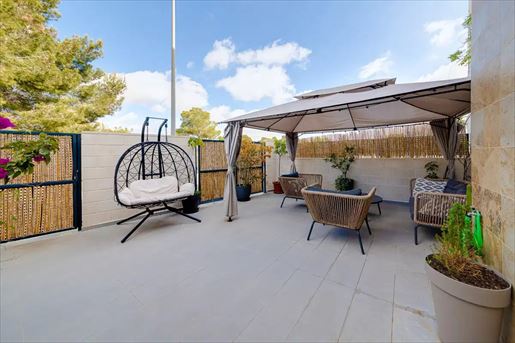
Listings in Spain typically use square meters for area measurement, not square feet. Many Spanish homes highlight outdoor living spaces like terraces, balconies, or private gardens — important for enjoying the Mediterranean climate.
Additionally, Spanish properties, especially resale homes, may come unfurnished or without kitchen appliances, which contrasts with many US listings where fitted kitchens and appliances are often included. Central heating is less common in coastal Spanish homes; instead, many use portable heaters or air conditioning units, which might surprise buyers expecting full HVAC systems as common in the US or UK.
Negotiation and Pricing in Spain
Negotiation practices vary by market. In Spain, it’s typical to negotiate a few percent below the asking price — often between 5% and 10%. However, for new constructions or hot markets, there’s usually less room for bargaining.
In the US, negotiation styles vary widely; some areas experience bidding wars pushing prices above asking. In the UK, offers can be sealed bids, creating a more opaque process. Spanish buyers benefit from price security due to the arras contract: once signed with the deposit, the price is fixed, reducing risks of last-minute changes or surprises.
Timeline and Closing Process in Spain
The timing of a purchase also differs. Cash deals in Spain can close quickly, sometimes in a matter of weeks. However, if you require a mortgage, expect the process to take 6 to 8 weeks.
In the UK, transactions often take a few months due to legal searches and chains of dependent sales. The US typically sees a closing period ranging from 30 to 60 days. The final steps in Spain involve signing at a notary and immediately updating the Land Registry, providing clarity and immediacy on ownership transfer. In the US, escrow companies complete the process and handle recording, while UK solicitors register property post-completion.