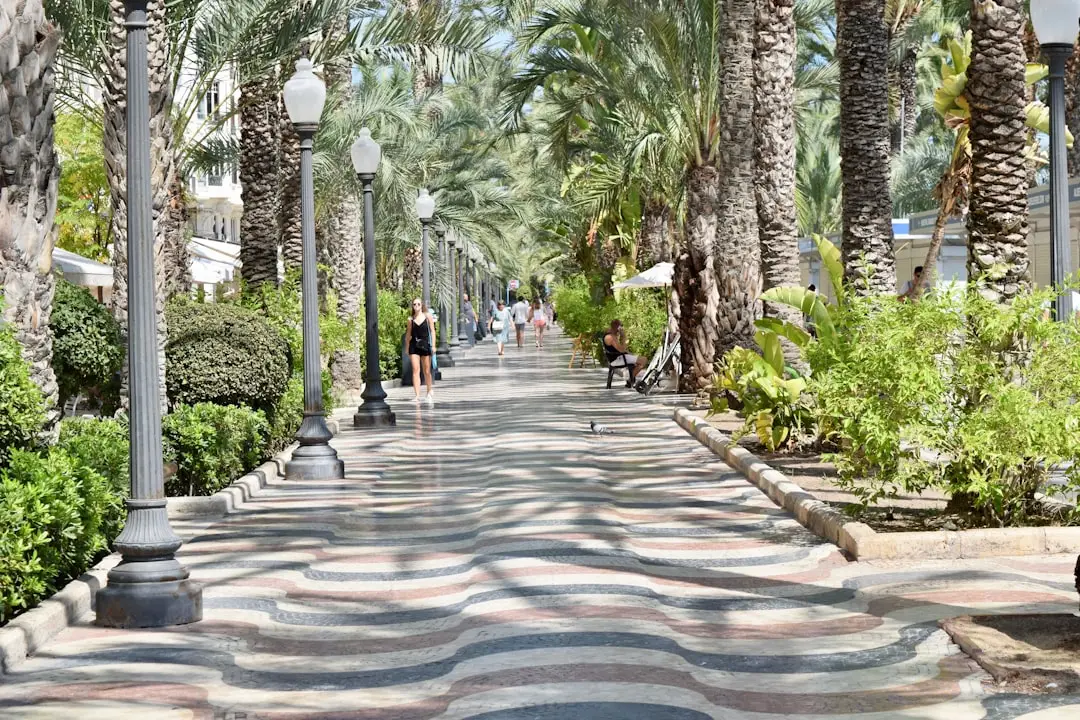
Living in La Rioja: Logroño, peaceful towns and wine culture
Logroño: service hub, university, gastronomy
Capital of the autonomous community, Logroño concentrates most services:
- modern hospitals and clinics
- university and higher education institutions
- administrative services, specialist shops, shopping centres
- cultural offer (theatres, festivals, museums)
It’s a human-scale city, easy to get around on foot or by bike, with a lively historic centre.
Calle Laurel and the surrounding streets offer a renowned gastronomic scene: pincho bars, local cuisine restaurants, wine cellars… Ideal if you are looking for:
- an urban yet relaxed lifestyle
- services accessible without a car on a daily basis
- a regional employment pool (administration, services, tourism, wine)
The neighbourhoods around the historic centre appeal to working people and families thanks to their mix of renovated buildings, schools and green spaces. 🌳
The presence of a university and training centres also supports steady rental demand, with studios and small apartments in high demand close to the centre and the main transport routes.
Wine-growing towns: local pace, vineyard landscapes, moderate budget
Outside Logroño, the region is dotted with small wine-growing towns and villages: Haro, Calahorra, Alfaro, Nájera, Santo Domingo de la Calzada, Ezcaray, etc.
Living in these towns means:
- adopting a slower pace of life (siestas, local shops, village festivals)
- enjoying vineyard and hillside landscapes on a daily basis
- benefiting from lower property prices than in Spain’s major metropolitan areas
You’ll find a lot of:
- stone village houses, often with a patio or small courtyard
- former wine farmhouses to renovate
- small traditional apartment buildings with street-facing balconies
A few caveats, however:
- sometimes limited medical services (health centre, hospital further away)
- reduced schooling options, often limited to primary and lower secondary
- more complex mobility without a car
For a lifestyle change rooted in the local area, these villages offer a high quality of everyday life, provided you are comfortable with a more rural environment.
In some highly wine-focused towns, the market is also driven by local residents looking to enlarge, split or modernise family homes, which creates opportunities for buyers ready to undertake renovation work.
Real estate market 2026: gentle growth
Average price in September 2026: €1,397/m², +4.4% year-on-year
In 2026, La Rioja remains one of the Spanish regions where prices are moderate, with an average price of around €1,397/m² in September 2026.
The annual increase of around +4.4% reflects gentle growth, driven by:
- growing tourist and wine tourism appeal
- demand for « nature » second homes
- remote workers and freelancers attracted by a reasonable cost of living
The trend remains moderate, with no overheating: monthly increases are contained, a sign of a more stable market than in the major coastal cities or Madrid.
For a buyer, this means:
- more limited speculative risk
- continued room for negotiation depending on the property’s condition and location
- better medium-term visibility for a life project
Logroño around €1,941/m², historic centre strongly rebounding
In Logroño, the market is above the regional average, with prices around €1,941/m².
There are significant differences between neighbourhoods:
- recent outskirts: newer buildings, mid-range prices, parking and amenities
- mixed neighbourhoods close to the centre: a good compromise between budget, services and accessibility
- historic centre: strong rebound, with annual growth reaching up to +19.4% in some areas
The historic centre attracts:
- buyers seeking charm (balconies, traditional façades, pedestrian streets)
- rental investors targeting short stays and students
- lovers of urban life, tapas bars and cultural events
This pressure on the historic centre encourages buyers to:
- consider adjacent neighbourhoods, often more affordable
- carefully assess rental potential before buying as an investment
- anticipate frequent renovation work in older buildings
Investors seeking returns less dependent on tourism are increasingly turning to these peripheral areas, where local and student tenants provide more stable demand.
Villages and bodega routes
Laguardia, Briones, San Vicente: wine heritage and rural accommodation
La Rioja lives to the rhythm of wine, and some localities have become true postcards of wine tourism:
- Laguardia (just across the administrative border in Álava, but at the heart of Rioja Alavesa)
- Briones, with its medieval streets and classified vineyard landscape
- San Vicente de la Sonsierra, a characterful village with panoramic views over the vines
These towns stand out for:
- a strong wine heritage (vaulted cellars, family bodegas, contemporary wineries)
- museums and wine interpretation centres
- a range of rural accommodation: casas rurales, small boutique hotels, tourist rentals
For a property project, this opens up several options:
- buying a village house as a second home
- creating or taking over tourist accommodation
- combining your own home with a small hospitality business
Charm comes at a price: these emblematic villages can command levels above the regional average, especially for restored properties with views over the vineyards. ✨
Peak season in autumn, short stays all year round
The seasonality of wine tourism shapes demand:
- peak visitor numbers in autumn (harvest, red-gold vineyard landscapes)
- high activity on spring and early summer weekends
- regular flows throughout the rest of the year for bodega visits, gastronomic weekends and cultural events
Consequences for a purchase with a rental project:
- high occupancy rates possible in peak seasons
- the need to work carefully on marketing (photos, booking platforms, positioning) to smooth demand
- opportunities to offer experiences: private tastings, cellar tours, vineyard hikes
The clientele is mainly:
- Spanish (Madrid, Basque Country, Catalonia)
- but also French, British, German, Dutch
This favours projects led by international buyers who speak several languages – a real asset to stand out. 🙂
However, this diversity of visitors means adapting the offer: clear signage, information available in several languages and, if possible, partnerships with local wineries and restaurants to offer « turnkey » stays.
Where to buy depending on intended use
Main residence: Logroño and main road corridors
For a main residence, priorities are services, access to jobs and transport.
The most coherent options:
- Logroño: ideal for working people, families and students
- small, well-connected towns: Haro, Calahorra, Alfaro, Nájera, Santo Domingo de la Calzada
- villages located along major road corridors, to reduce commuting time
Things to check before buying:
- commuting time to your workplace or the nearest train station
- presence of schools if you have children
- access to healthcare (health centre, hospital, specialists)
- internet connection (crucial for remote work)
A frequently relevant compromise is to:
- live close to Logroño or a small, well-equipped town
- and regularly enjoy the wine-growing villages for weekends and leisure
Buyers seeking long-term professional roots also favour proximity to major routes towards Zaragoza, Bilbao or Pamplona, in order to combine rural life with regional mobility.
Stone village house: manageable renovation work, strong practical value
The stone village house is a great classic of La Rioja.
It appeals thanks to:
- its architectural charm (thick walls, exposed beams, old staircases)
- its often generous volumes (3 levels, convertible attic, cellars)
- its small outdoor space: courtyard, patio, terrace, sometimes a garden
Budget-wise:
- purchase prices are often still reasonable, particularly outside the most touristic villages
- but you must plan for a renovation budget (roof, insulation, heating, electrics, windows)
The practical value is high:
- family house for holidays and weekends
- base for a semi-residential project (several months per year)
- possibility of creating an independent rental unit (studio, floor, annex)
Practical tips:
- have a full technical survey carried out before purchase
- check planning rules (façades, materials, heritage)
- plan for a local architect or project manager to oversee works from a distance
In areas where the housing stock is very old, municipalities may offer additional incentives to avoid vacancy and encourage the rehabilitation of traditional buildings: something to explore from your first visits.
Investing and renting
Event-driven rentals (wine tourism, festivals) versus annual lets
La Rioja offers two main rental investment strategies.
1. Event-driven and tourist rentals
- targeting wine tourism weekends, harvest season, festivals, sports and cultural events
- accommodation formats such as tourist rentals, guest rooms, small casa rural
- potentially high returns during peak periods
Points to watch:
- strong seasonality: income concentrated in certain periods
- requires active management (check-in, cleaning, marketing, online reviews)
- possible local regulations on tourist rentals
2. Annual or medium-term rentals
- targeting residents, students and mobile workers
- preference for Logroño and small towns with good services
- more regular income, simpler management
A mixed strategy is possible:
- long-term annual rentals in the towns
- or a combination of second home / tourist rental in the wine-growing villages
The key is to align the type of property and its location with the target audience: students and young professionals in town, couples and groups of friends on wine trips in the villages.
In all cases, building a realistic financial forecast (occupancy rate, running costs, taxation) is essential to validate the project’s viability over several years.
Taxation and local renovation grants to monitor
La Rioja has a large stock of older properties, particularly in historic centres and villages.
For a buyer, this can become an opportunity if you know how to take advantage of:
- Spanish tax schemes applicable to main residences and rental investments
- local or regional incentives for energy-efficient renovation
- programmes to enhance historic centres
In practice, it’s useful to:
- consult the town hall (ayuntamiento) to find out what support is available
- ask about possible tax reductions linked to renovation work
- check whether the property is in a protected heritage area (specific conditions for works)
For foreign buyers:
- seek support from a lawyer or gestor used to international clients
- clarify the tax implications in your country of residence
- anticipate questions of inheritance and succession planning
The ageing property stock, far from being a drawback, can become a source of added value if you combine a well-chosen purchase, controlled renovation works and public support.