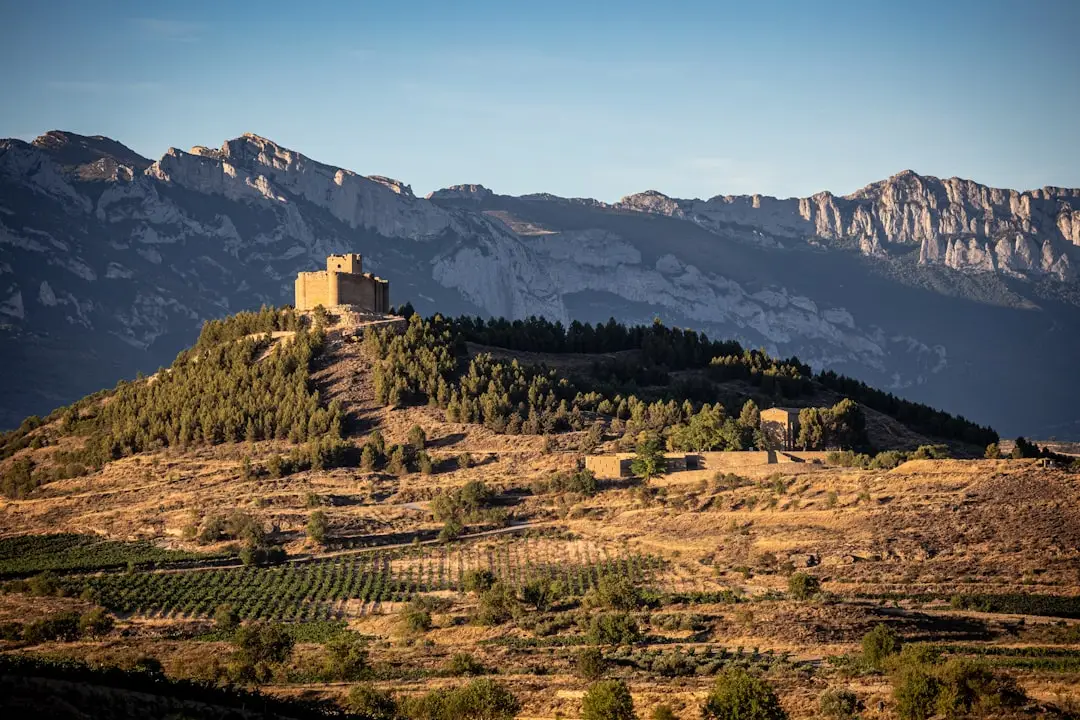
Castile and León 2026: renewed appeal for inland Spain
For a long time, inland Spain was overshadowed by the Mediterranean coast and major cities like Madrid or Barcelona. Today, the trend is rebalancing: Castile and León is coming back to the forefront, driven by new aspirations.
People are primarily looking for:
- more space at home as well as outdoors;
- a calmer pace of life;
- a strong, confidently asserted cultural identity;
- more affordable property prices than on the coast.
Looking ahead to 2026, several factors are converging to strengthen this appeal: public policies for rural revitalisation, incentives for renovation, improved road and rail connections, the roll-out of ultra-fast broadband… all elements that make long-term settlement easier.
Data from Green-Acres, a specialist in second homes, confirms this renewed interest in the country’s interior: in many provinces of Castile and León, foreign demand is still modest or emerging, which translates into a less speculative market and calmer negotiations for buyers.
Affordable cost of living and safety: key drivers for families
For a family project, Castile and León offers two major advantages: an overall cost of living that is lower than in Spain’s largest urban areas, and a strong sense of safety. 😊
In practical terms, this means:
- rents and purchase prices below those in coastal areas;
- a rental market that is still accessible in provincial capitals;
- more moderate day-to-day expenses (restaurants, nearby leisure activities, certain services);
- generally lower crime rates than in major metropolitan areas.
For parents, this translates into:
- the ability to buy a larger home (garden, an extra room for remote working);
- human-scale schools, often close to home;
- children able to enjoy the outdoors in complete peace of mind;
- a neighbourhood or village life where people tend to know each other better.
This combination of financial accessibility and safety creates a favourable environment for planning a long-term project, whether it be a main residence or an adaptable pied-à-terre.
Another reassuring point for families: in provinces such as Salamanca, Valladolid, Burgos, Soria, Segovia, Palencia, Zamora or Ávila, the data collected on Green-Acres does not yet show any massive influx of foreign buyers. The market therefore remains very “local” and relatively stable, which limits price surges linked to international demand.
Small university towns and provincial capitals on the rise
Castile and León is not just about isolated villages. It is supported by a network of dynamic small towns and provincial capitals that provide services, culture and employment.
Among the most attractive hubs:
- Salamanca, a major international university city with exceptional heritage;
- Valladolid, the regional capital, well connected to Madrid, with an active cultural life;
- Burgos, known for its listed cathedral and quality of life;
- León, a blend of heritage, gastronomy and student atmosphere;
- Soria, Ávila, Segovia, Palencia, Zamora: smaller, but attractive for those seeking peace and essential services.
These cities offer a good balance:
- a human scale, avoiding chronic traffic jams;
- universities, hospitals and sports facilities;
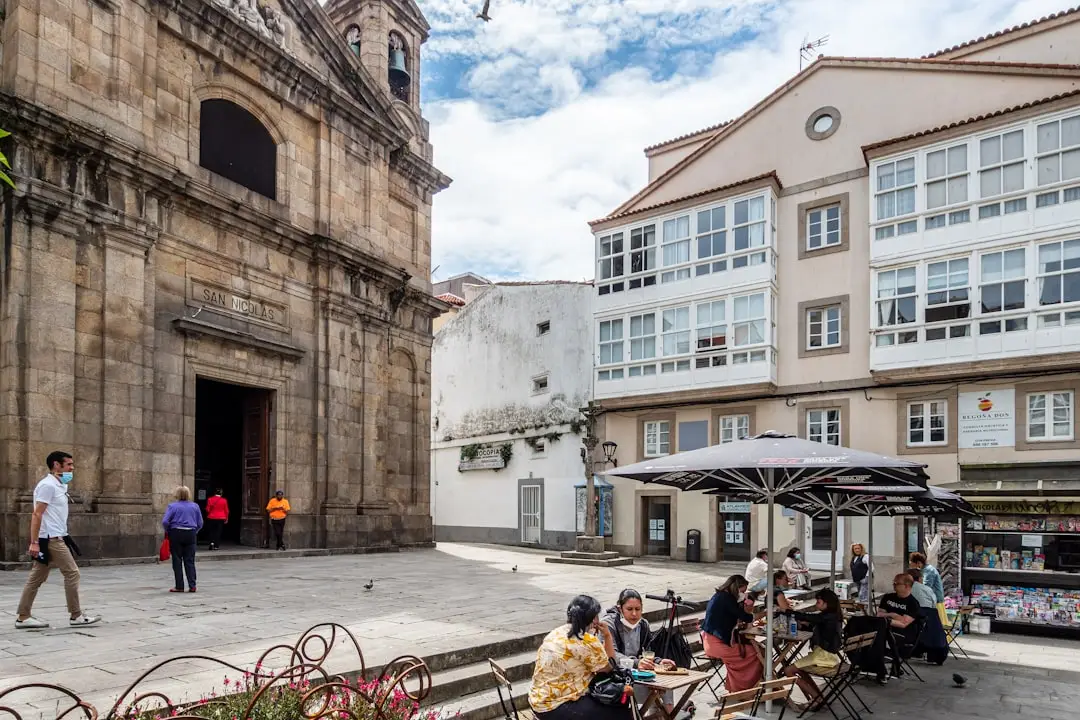
- vibrant historic centres with cafés, bars and local traditions;
- a more affordable property market than in the country’s major urban centres.
For a buyer, the choice may be between:
- a renovated apartment in a lively historic centre;
- a townhouse with a patio or small garden;
- a detached house on the outskirts, with good road connections.
In León and the rest of the province, the main-residence market coexists with demand from foreign buyers looking for village houses, small fincas or renovation projects. According to figures observed on Green-Acres for the province of León, international searches are particularly driven by French buyers, followed by profiles from Morocco, the United Kingdom, Belgium, Germany, the Netherlands and the United States, often with budgets geared towards spacious properties to renovate rather than new-build apartments.
The most viewed properties in León remain varied, from urban apartments to large country houses; an overview of this diversity is available on the page dedicated to the local market: property in León and its province.
Regional services and transitions
Beyond the postcard image, moving to Castile and León raises practical questions: healthcare, schools, transport, digital connectivity, job opportunities or remote working.
The region is gradually transforming to address these issues, with particular attention paid to the environment and heritage. This transition is reflected in renovation policies, air quality and the development of digital infrastructure.
Energy renovation encouraged in small towns; air quality and heritage preserved
As in many European regions, Castile and León encourages the renovation of older homes, particularly in small towns and villages that are losing population.
For a buyer, this opens up several possibilities:
- purchasing a village house to renovate at an attractive price;
- benefiting from grants or tax schemes (which vary over time) to improve insulation or change the heating system;
- increasing a property’s value by modernising it while respecting its traditional character.
The benefits are many:
- lower energy bills in the long run;
- greater comfort in both summer and winter;
- a contribution to preserving remarkable architectural heritage.
The region is also appreciated for:
- its air quality, better than in highly urbanised areas;
- the presence of large natural areas (mountains, plateaus, natural parks);
- an exceptional built heritage: Romanesque churches, monasteries, city walls, cathedrals…
This setting contributes to a sense of everyday well-being, whether one lives in a small town or in a more isolated village.
In the smaller provinces where, according to Green-Acres data, the presence of foreign buyers is still limited (Soria, Palencia, Zamora, Segovia, Burgos, Valladolid, Salamanca or Ávila), renovation often takes the form of individual projects led by local families or a few new arrivals with a long-term perspective. This contributes to a measured pace of change, in line with the protection of the landscape and historic buildings.
Remote work: new residential mobility towards affordable provinces
The development of remote work has opened a new chapter for inland Spain. More and more working people, both Spanish and foreign, are choosing to live where the quality of life is better, while working remotely for a company based elsewhere.
Castile and León is particularly well suited to this lifestyle:
- roll-out of high-speed broadband and fibre in an increasing number of municipalities;
- lower costs for renting or buying a room dedicated to a home office;
- relative proximity to Madrid from certain provincial capitals (Valladolid, Segovia, Ávila) for occasional trips;
- a natural environment conducive to a good work-life balance.
For a remote-working project, you might consider:
- a comfortable apartment in a provincial capital, close to the train station;
- a house in a well-connected small town with fibre-optic internet;
- a more isolated rural property, provided you carefully check internet coverage.
Before buying, it is wise to:
- test the connection on site (actual speed, stability);
- find out about nearby services (healthcare, shops, schools);
- assess the distance to the nearest train station for potential business trips;
- talk to residents or expatriates already living in the region. 😊
These new residential mobilities are breathing life back into certain areas, with the arrival of a range of new profiles: families, couples changing careers, digital freelancers, active young retirees… All signs that Castile and León is establishing itself as a destination well worth considering for a property project in Spain.