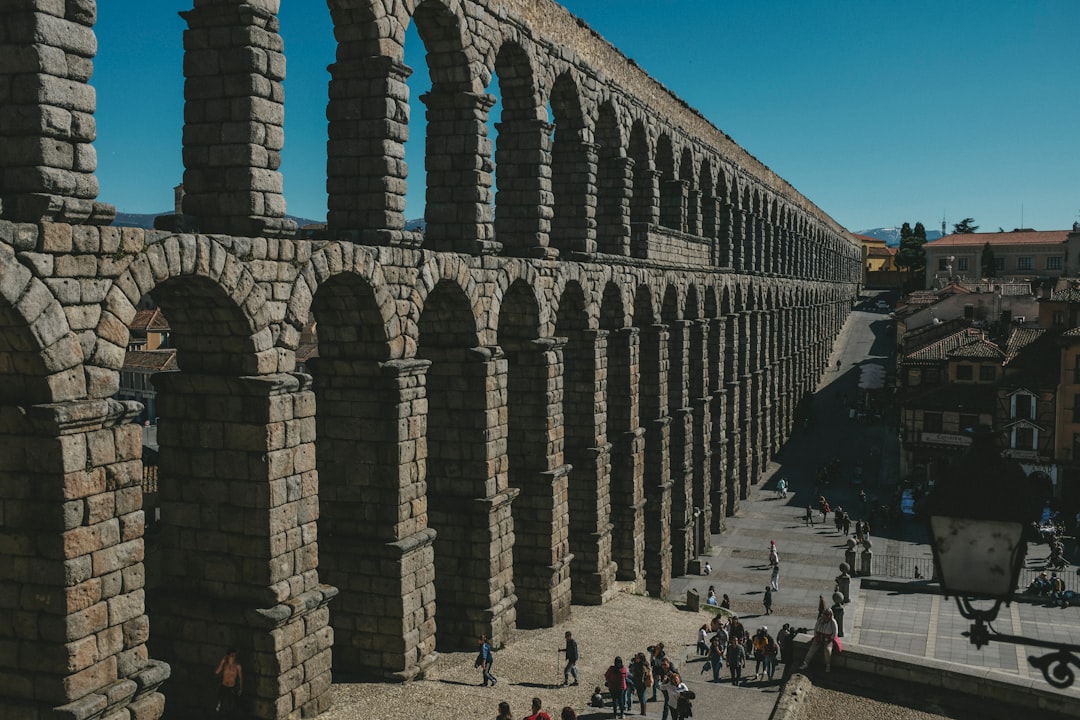
Catalonia 2026: a driver of innovation and residential appeal
Catalonia is establishing itself as one of the economic engines of southern Europe, with Barcelona as its international showcase. For a relocation or residential investment project, this matters: behind the postcard image, the region rests on solid economic and demographic fundamentals.
In the coming years, several trends are expected to continue supporting housing demand:
- a fast-growing fabric of innovative companies;
- a mobile, internationalised working population;
- a high-level university and scientific ecosystem;
- a strategic position between continental Europe, the Mediterranean and the Iberian Peninsula.
Data from Green Acres, a specialist in second homes, confirms this residential dynamism, with often substantial buyer budgets, particularly in the most international areas.
Positive macro signal: transactions and prices expected to rise (2026 pro barometer)
Real-estate professionals surveyed in the main regional barometers anticipate, by 2026, a generally favourable environment for residential property in Catalonia.
Without trying to “predict” prices down to the last cent, several signals are converging:
- interest rates stabilising at more predictable levels, restoring visibility for buyers;
- a volume of transactions that should remain strong, driven by local households and international buyers;
- a slight average rise in values in the most pressured areas, particularly the Barcelona metropolis and the attractive coastline;
- strong rental demand, which secures long-term investment projects.
Practically speaking, for a buyer, this means:
- sales times that remain relatively short in sought-after areas;
- room for negotiation still possible, but more limited on well-located properties;
- an advantage in moving early on neighbourhoods or towns undergoing urban transformation, before prices fully reflect ongoing improvements.
The key is to reason at the scale of living areas, because Catalonia is not a homogeneous market. Price trajectories and the depth of demand differ significantly between Barcelona, Girona–Costa Brava and the Tarragona coastline.
Distinct areas: Barcelona, Girona–Costa Brava, Tarragona coast
To refine a project, it is useful to distinguish three major residential areas, each with its own balance between economic dynamism, quality of life and pressure on supply.
1. Barcelona and its metropolitan area: the international hub
- profile: large Mediterranean metropolis, high urban density and global influence;
- demand: highly diversified (local professionals, expats, students, international remote workers);
- offer: substantial stock of older housing, but also urban renewal and refurbishment projects;
- prices: high levels in the city centre, more mixed in some peripheral neighbourhoods and in towns connected by public transport.
Barcelona appeals to those looking for:
- a complete urban environment (culture, events, healthcare services, international schools);
- international accessibility (airport, high-speed train, European connections);
- a deep rental market, useful for a hybrid main residence / investment project.
In the second-home market, the most sought-after properties in Barcelona often command high budgets, with a strong presence of foreign buyers. The French top demand, followed by North American and European buyers with varied profiles (tech employees, remote workers, long-term investors). For an overview of the local market and currently listed properties, you can browse the available listings in Barcelona.
2. Girona – Costa Brava: quality of life and cross-border appeal
- profile: medium-sized cities and coastal villages, between the Pyrenees, the French border and the Mediterranean;
- demand: local households, second homes, but also newcomers attracted by the quality of life;
- offer: varied housing, from the stone village house in Girona to contemporary villas with sea views;
- prices: generally more affordable than Barcelona, with peaks in premium seafront locations.
This area is well suited:
- to families and remote workers wanting to alternate working from home with occasional trips to Barcelona or France;
- to buyers seeking a compromise between nature, services and accessibility;
- to investors who favour less volatile yet touristic markets.
Green Acres data also shows a strong French bias in this area: nearly one in two foreign buyers comes from France, attracted by the proximity of the border and the possibility of a pied-à-terre that is easy to reach. Median budgets remain significantly lower than in Barcelona, reinforcing the appeal for families and remote-working profiles.
3. Tarragona coastline: tourism, reconversion and potential
- profile: seaside resorts, small port towns, wine-growing hinterland;
- demand: strong seasonality, but a trend towards more year-round residency in some municipalities;
- offer: a large stock of holiday flats, complemented by detached houses in the Tarragona hinterland;
- prices: generally more moderate, with opportunities for mid-range budgets.
By 2026, this area could benefit from:
- the move upmarket of certain resorts;
- improved transport links to Barcelona and inland Catalonia;
- urban renewal projects that strengthen year-round attractiveness.
For a buyer, this opens the door to varied projects: holiday home, lifestyle change with a seasonal business, or rental investment mixing tourism and medium-term stays. Foreign profiles are more diverse here, with a strong presence of French but also Dutch and German buyers, who often target larger floor areas for a more contained budget.
Quality of life and urban policies
Beyond the figures, Catalonia embraces a very clear vision of the Mediterranean city: compact, lively, but attentive to its environment and the well-being of its inhabitants.
Catalan urban policies, particularly visible in Barcelona and the larger cities, are structured around several key priorities:
- controlling urban sprawl;
- encouraging alternatives to car travel;
- bringing nature back into the city;
- balancing tourism development with residents’ daily lives.
Compact city, soft mobility, greener streets: a consolidating sustainable image
The Catalan compact city model translates into dense yet vibrant neighbourhoods, where shops, schools and everyday services are accessible on foot or by bike.
For a future resident, this makes a concrete difference:
- less time wasted in transport;
- a rich neighbourhood life (covered markets, cafés, cultural facilities);
- the possibility of organising daily life without a car, or with very limited use.
Soft mobility is progressing rapidly:
- an extensive cycling network, especially in Barcelona and several coastal towns;
- strengthened public transport (metro, tram, commuter trains, intercity buses);
- pedestrianisation of entire streets and the creation of “superblocks” freed from through traffic.
At the same time, the greening of urban spaces is becoming a priority:
- creation or expansion of parks and gardens;
- tree planting to provide shade in summer;
- redevelopment of riverbanks, seafront promenades and public spaces.
This strategy reinforces the image of a region committed to the ecological transition, and it can influence the choice of location, particularly for families concerned about air quality, play areas and the safety of everyday journeys.
Employment–housing link: tech, design, tourism and the creative economy
Catalonia attracts so many new residents also because it offers a wide range of professional opportunities across various sectors.
Several pillars structure the regional economy:
- tech and digital: Barcelona has become a genuine hub for start-ups, R&D centres and the headquarters of major foreign companies;
- design, architecture and creative industries: an ecosystem fuelled by schools, agencies and a strong cultural tradition;
- tourism and hospitality/catering: still important, but gradually shifting towards higher quality and diversification;
- logistics, industry and healthcare: less visible sectors, but generators of skilled jobs.
This link between employment and housing plays out differently in each area:
- in the Barcelona metropolitan area, a high concentration of skilled jobs and attractive salaries, but greater housing pressure;
- in the Girona–Costa Brava towns, an interesting balance between local opportunities, remote work and proximity to Barcelona;
- on the Tarragona coastline, a strong weight of seasonal activities, but also the development of niches (wine tourism, services, industrial SMEs).
For a life project, it is useful to think about your own profile:
- employee in a tech or creative sector, seeking a stimulating urban environment;
- entrepreneur wanting to benefit from a pleasant living environment and international connections;
- professional in career transition, with a tourism-, craft- or service-based project;
- remote worker able to freely choose their place of residence and travel occasionally.
In Catalonia, the geography of employment is diverse enough to adapt your residential choice: major urban centre, well-connected medium-sized town or quieter coastline. The main thing is to align your professional needs, your desired living environment and your property budget.