Galicia 2026: green region, controlled costs and growing tourism
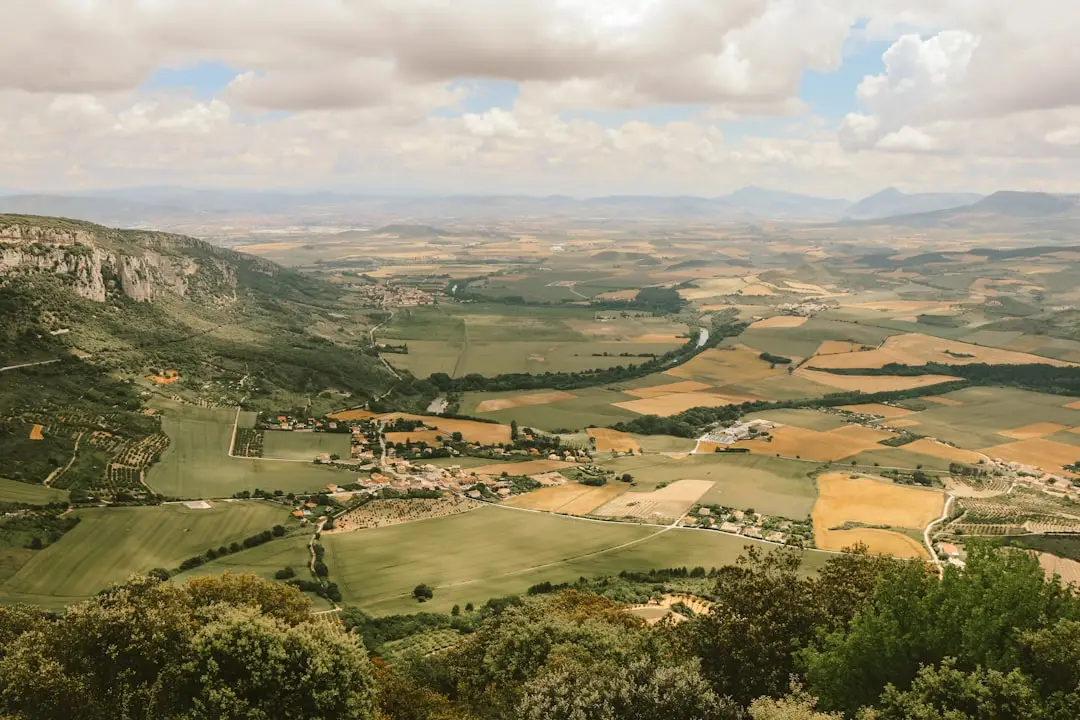
A land of forests, rías (estuaries) and fishing villages, Galicia offers a setting very different from the postcard image of Mediterranean Spain. Here, the climate is oceanic, the vegetation is lush and the landscapes are often misty and romantic. 🌿
For a property buyer, this means:
- a lower population density than in other Spanish coastal regions;
- human‑scale cities, rarely overcrowded;
- property opportunities that are still more affordable than in the major tourist hubs.
Figures from buyer searches on Green Acres confirm this growing interest in a greener, more temperate Spain, far from the overcrowded seaside resorts.
2026 hotel data confirms the upward trend
Tourism sector performance is a good indicator of how attractive a region is. In 2026, Galicia is seeing its hotel indicators improve significantly:
- hotel revenues up by around 9.3% in June;
- international demand up by around 10% over the same period;
- more consistent occupancy during the high season, driven by the coastline and the stopover towns along the Camino.
For a purchasing project, this momentum means:
- growing tourist rental potential in the most sought‑after areas (coast, Santiago de Compostela, major cities);
- a strengthening network of services (restaurants, transport, leisure);
- better medium‑term capital appreciation for well‑located properties.
A destination rising in popularity among Spaniards
Galicia does not only attract foreign travellers. In 2026, it ranks as the no. 7 destination for Spanish travellers in the first quarter, according to the INE.
This confirms several interesting trends for a buyer:
- Spaniards themselves see Galicia as a region for holidays and short breaks;
- travel flows are not limited to the summer season, but also extend into spring and autumn;
- its image as a green, cool and authentic region works as a counterpoint to the hotter, more urbanised rest of the country.
For an investment aimed at rentals, this recurring national demand provides a solid foundation, complementary to international clientele.
Galician lifestyles: Atlantic cities and wooded hinterland
Living in Galicia is not a single reality. Between Atlantic metropolises, historic inland towns and scattered villages, lifestyles vary widely. This is good news: there is a type of place to match almost every life project. 🙂
Vigo and A Coruña: employment hubs with full services
On the Atlantic coast, Vigo and A Coruña concentrate a large part of the region’s economic activity.
Vigo, more industrial and focused on the automotive sector and port logistics, offers:
- a major commercial and fishing port with international connections;
- a more diversified job market;
- varied neighbourhoods, from the lively city centre to residential areas on the hills with views of the Cíes Islands.
On the second‑home market, house‑for‑sale searches in Vigo on Green Acres show strong interest in generous floor areas, suitable for family life or a mixed main residence / holiday rental use.
A Coruña, dynamic and service‑oriented, offers:
- a compact, lively historic centre;
- an emblematic seafront promenade, highly appreciated for running, cycling and outdoor living;
- comprehensive infrastructure: universities, hospitals, shopping centres, cultural facilities.
For a property project, these two cities are particularly suitable if you are looking for:
- a solid employment base for living there year‑round;
- all services within walking distance in many neighbourhoods;
- a balance between urban life, nearby beaches and green surroundings.
Data on international demand for the province of A Coruña confirm this role as a magnet: buyers from France, the United States or the Netherlands mainly target large properties (around 200 m²), with median prices ranging from around €125,000 to €300,000, illustrating an offer that is still competitive compared with other European coasts.
Ourense, Lugo and small historic towns: a gentle pace of life
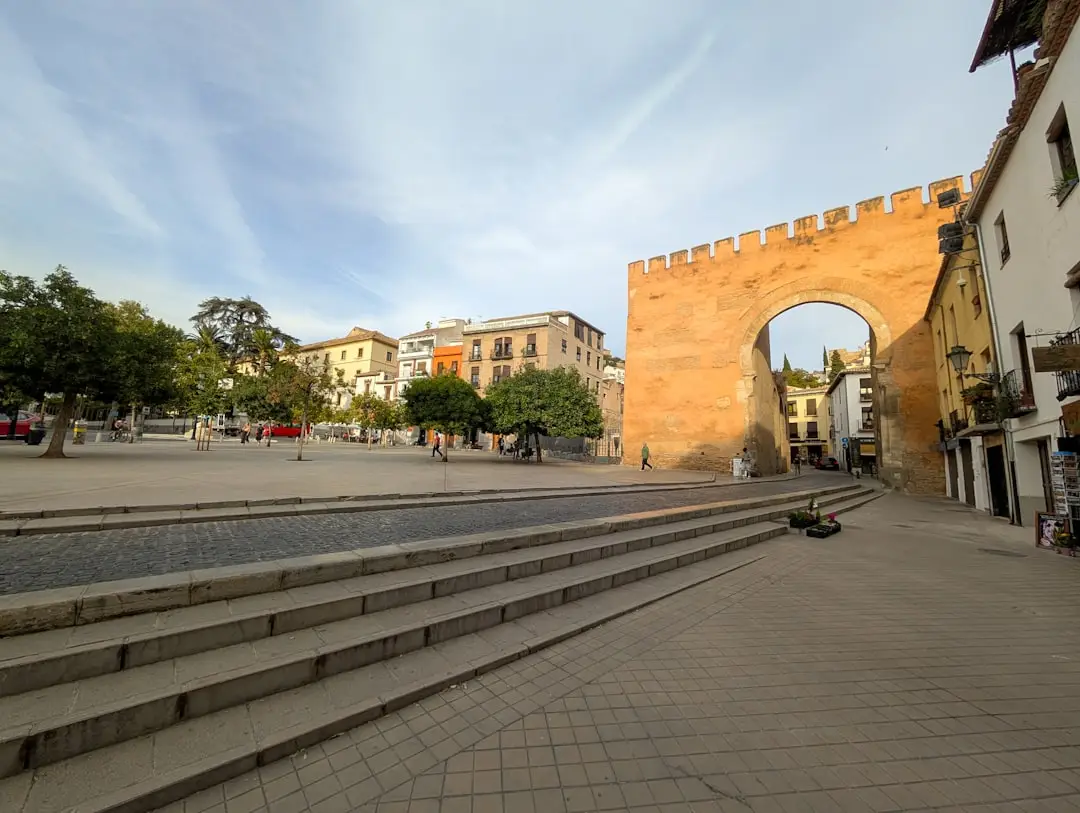
Further inland, the atmosphere changes. Small historic towns like Ourense or Lugo offer a quieter daily life, rooted in tradition.
Here you will find:
- well‑preserved old town centres, dominated by stone buildings and Romanesque churches;
- immediate proximity to nature: rolling countryside, forests, rivers;
- neighbourhood life where people know each other, with markets, cafés and small tiendas.
These localities are particularly suitable:
- for families seeking peace and space for children;
- for remote workers who can afford a less central location;
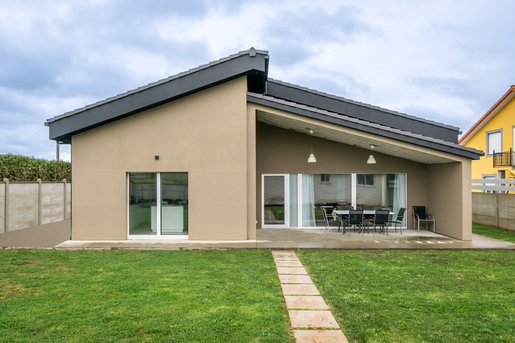
- for projects involving a house with a garden, often more affordable than on the coast.
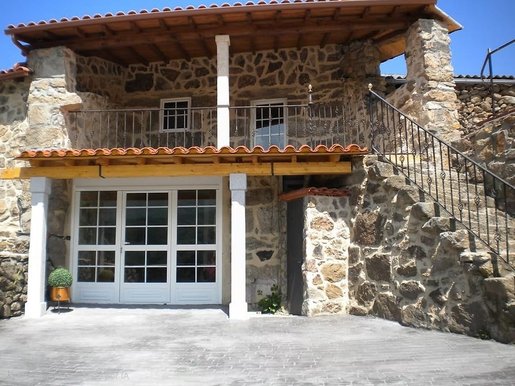
In the countryside and villages, Galicia also offers numerous traditional stone houses to renovate, or already restored, for projects such as guesthouses, active retirement or semi‑self‑sufficient living.
In Lugo, search data published by Green Acres show a market that is still very affordable for international buyers, particularly from the Netherlands, Germany or Switzerland, with median floor areas around 245 m² for budgets often under €150,000, making it an interesting place to explore for those seeking space and tranquillity.
Ourense also attracts a specific foreign clientele: requests from the Netherlands, for example, focus on large houses (around 226 m² median) at price levels well below those on the coast, combining thermal spas, nature and a contained acquisition cost.
To refine a project in these inland areas, an overview of the property listings in Lugo gives a concrete idea of the types of houses and plots available.
Quality of life: oceanic climate, local‑produce gastronomy and cultural roots
Galician quality of life is based on a few simple pillars: a milder climate than in the rest of Spain, a very strong culinary culture, and a rhythm marked by local festivities and the agricultural seasons.
Shellfish, Rías Baixas wines and local festivities
You can’t talk about Galicia without mentioning its food. Here, cuisine is deeply linked to the sea and local produce:
- shellfish and crustaceans (octopus, scallops, goose barnacles);
- fresh fish caught off the Atlantic coast;
- white wines from the Rías Baixas, appreciated for their freshness and minerality;
- cheeses, meats and cured products from the rural inland areas.
Local festivities, often religious or linked to harvests, punctuate the year:
- processions and pilgrimages around Santiago de Compostela;
- romerías and food festivals dedicated to a single product (octopus, wine, seafood);
- concerts, traditional dances and fireworks in the villages.
For newcomers, these events are a natural gateway to integration and building relationships with local residents. 🎉
A “slow” tourism offer: hiking and a well‑established Camino
Galicia fits perfectly into the “slow” tourism trend:
- numerous coastal paths for hiking, with views over cliffs, beaches and rías;
- inland routes crossing forests, valleys and stone villages;
- spa resorts and hot springs, particularly around Ourense.
The Camino de Santiago, once it reaches Galicia, is now a firmly established reality:
- regular flows of pilgrims on several routes (Camino Francés, Camino Portugués, coastal route, etc.);
- a dense network of hostels, guesthouses, small hotels and restaurants;
- an international but generally respectful and calm atmosphere, far from the excesses of some seaside destinations.
This positioning reinforces the peaceful character of the region, while ensuring a good level of services even in small towns.
Services and mobility in 2026
In 2026, service and transport infrastructure in Galicia continue to expand, directly linked to the growth in tourism and the increase in stays.
More hotel capacity and overnight stays
The rise in hotel revenues and overnight stays does not benefit tourism professionals alone. It has knock‑on effects:
- revitalisation of local shops (cafés, restaurants, small grocery stores, artisans);
- creation or preservation of jobs in the service sector;
- improvement in local transport services to meet the needs of visitors and residents.
For a buyer, this translates into:
- neighbourhoods that are lively throughout the year;
- better access to services without always having to go to a big city;
- a solid basis for planning a complementary accommodation business (B&B, small hotel, holiday rentals).
The profiles of foreign buyers in the different Galician provinces also reflect this diversification: while the Pontevedra coastline is particularly attractive to Swiss, British or French buyers looking for comfortable second homes, the inland areas (Lugo, Ourense) attract more modest budgets but in search of space, often from the Netherlands or Germany.
Seasonal increase in air and rail connections
Air and rail connections also increase on a seasonal basis, according to AENA and INE data. In practical terms:
- the airports of Vigo, A Coruña and Santiago de Compostela see their connections increase in high season;
- links with Madrid and other major European cities are becoming more frequent;
- rail services are gradually improving journey times to the rest of Spain.
For a life project involving regular trips back and forth to France or other European countries, this strengthening of connections is a real asset:
- easier to welcome family and friends;
- better accessibility for a potential tourism project;
- a reduced feeling of isolation, even if you choose a village in the countryside.
Galicia, a sustainable living environment for families and remote workers
At the crossroads of these trends – responsible tourism, preserved nature, human‑scale cities, improving services – Galicia emerges as a sustainable living environment for many profiles.
For families, the region offers:
- a green environment, ideal for outdoor activities;
- a less stressful pace of life than in capital cities;
- schools and essential services accessible in most medium‑sized towns.
For remote workers and freelancers, you will find:
- more spacious housing on a reasonable budget, allowing for a real home office;
- a quiet setting, conducive to concentration;
- the possibility of recharging in nature quickly after work.
Galicia may also appeal to:
- active retirees looking for a temperate, green and cultural region;
- entrepreneurs with tourism or agri‑tourism projects;
- people changing careers, drawn by a simpler life closer to the land.
As always, the key to a successful life project is to carefully define:
- the type of place suited to your needs (city, small town, countryside);
- the level of services you consider essential;
- the acceptable distance from airports, train stations and major roads.
With these elements in mind, Galicia can become much more than a holiday destination: it can be a true home base for a fresh start. 🌊