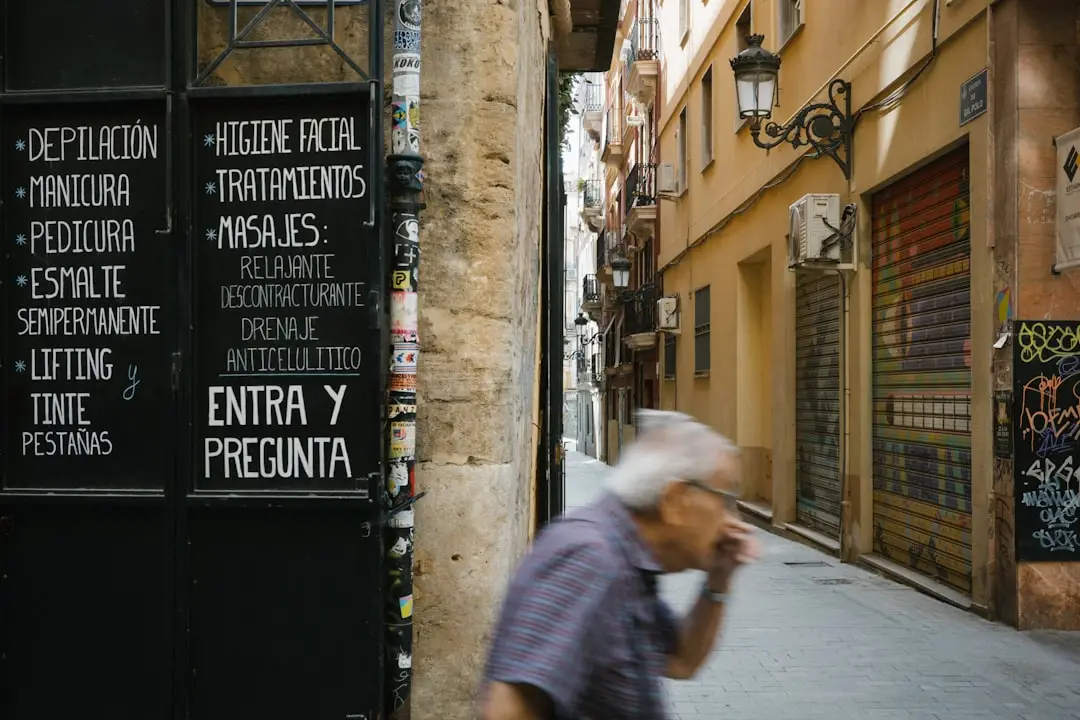
Madrid 2026: European metropolis with strong residential ambitions
In 2026, Madrid confirms its status as a major European metropolis, but with one particular feature: the city places housing at the heart of its development strategy. The objective is clear: welcome more residents without degrading quality of life, while remaining attractive to international capital.
Private and international investment: record volumes, +39% in Q1 2026
The Madrid market is attracting large numbers of private and institutional investors, both Spanish and foreign. In the first quarter of 2026 alone, real estate investment volumes rose by around +39%, a figure that reflects strong confidence in the solidity of the local market.
Several factors explain this enthusiasm:
- a relatively stable legal framework for both investors and individuals;
- economic growth above the European average in recent years;
- a dynamic rental market, driven by demographics, remote work and the arrival of international talent;
- a perception of Madrid as a more affordable alternative to other capitals such as Paris, London or Amsterdam.
For an individual buyer, these capital flows are both a sign of confidence and a factor to take into account in their strategy: competition may be stronger in certain segments, but market liquidity and long-term asset value are reinforced.
This internationalization is also visible in the profile of foreign buyers. According to enquiries recorded on Green-Acres for the Madrid region, the United States ranks first with around 18% of foreign searches, followed by France (12%), then the United Kingdom, Hong Kong and Italy (7% each).
Median budgets are often high, particularly for certain European and Asian buyers, confirming Madrid’s appeal to an upmarket international clientele.
Quality housing, controlled densification, expanding peripheral areas
Madrid is not content with simply adding housing; the city is looking to integrate it better. The municipal strategy is based on controlled densification, primarily around transport routes and already urbanized areas.
In practice, this translates into:
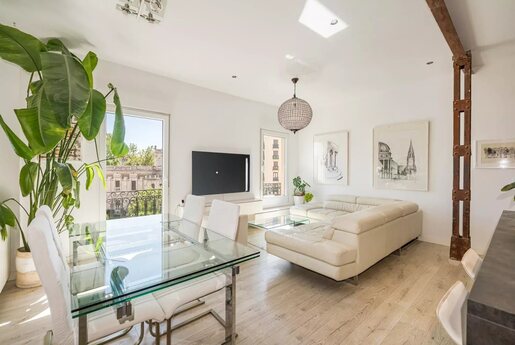
- new housing projects built to modern comfort standards (energy performance, communal areas, integrated services);
- the renovation of older buildings to improve insulation, safety and environmental performance;
- planned development of peripheral areas, with the creation of mixed-use neighborhoods (residential, offices, shops, public facilities).
For future residents, this means more choice between:
- the charm of central neighborhoods, often more expensive but very lively;
- new urban complexes on the outskirts, more affordable, well connected, designed for families and remote workers;
- intermediate areas undergoing major transformation, where it is still possible to find a good price / quality-of-life compromise.
Neighborhoods and outskirts to watch
Madrid is a mosaic of districts with very distinct identities. For a life project or an investment, it is essential to understand the main trends between the center, consolidated areas and new outskirts.
Central Madrid: high-end market (+12% y/y in 2026 prime districts)
Central Madrid – with neighborhoods such as Salamanca, Chamberí, Justicia or parts of Centro – remains the high-end heart of the market. In 2026, the so-called prime neighborhoods are seeing price increases of around +12% year-on-year.
These districts offer:
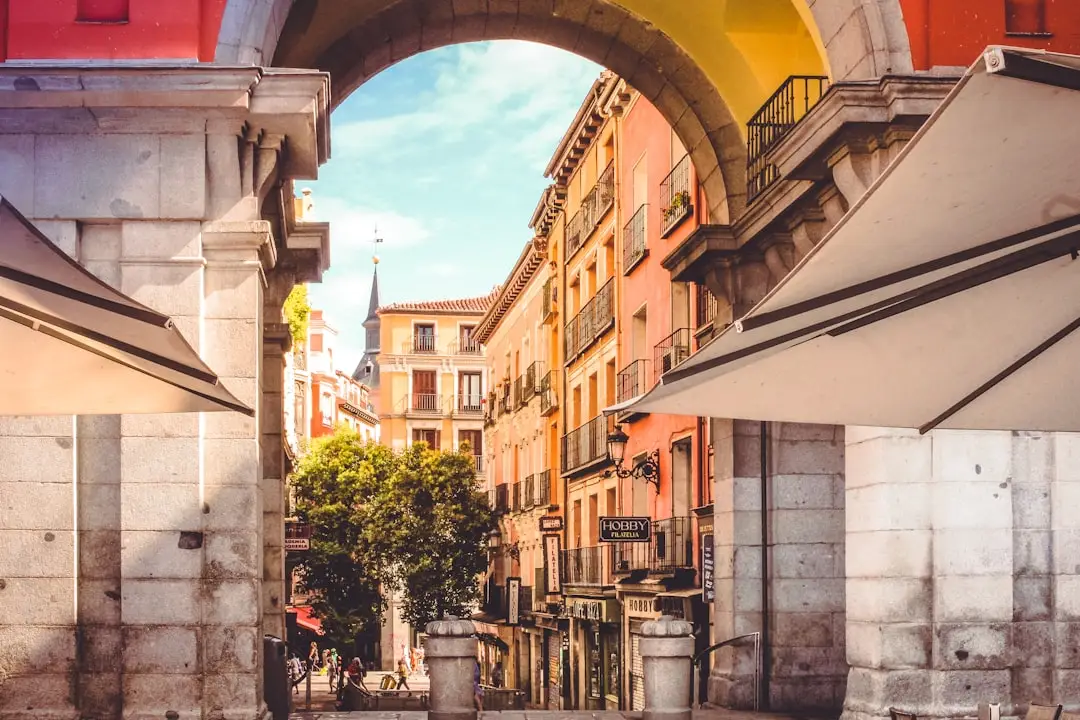
- sought-after historic architecture (period buildings, high ceilings, balconies, patios);
- a rich cultural scene (museums, theaters, galleries, gastronomy);
- high-level urban services (local shops, public transport, private and international schools);
- strong rental demand, both for long-term lets and for temporary furnished rentals.
The entry ticket is high, but these areas offer:
- asset appreciation that is generally more resilient during slowdowns;
- a mixed neighborhood profile: affluent families, executives, expats, active retirees;
- a very urban lifestyle: everything can be done on foot or by public transport 🚇.
For whom? Buyers looking for:
- an elegant primary residence in the heart of the city;
- a pied-à-terre in a European capital;
- a long-term buy-to-let investment, with a perceived moderate level of risk.
Outskirts and major new urban development projects: Valdecarros, Los Berrocales, 278,000 future homes
Beyond the center and already established neighborhoods, Madrid is banking on major urban development projects to meet growing housing demand. Among the most emblematic are:
- Valdecarros: a vast development to the southeast of Madrid, conceived as a new, fully-fledged part of the city (housing, shops, green spaces, public facilities).
- Los Berrocales: another major project following the same dynamic, with strong ambitions in terms of mobility, sustainability and landscape integration.
In total, these new developments and other associated operations aim to create around 278,000 homes over the medium to long term.
For a buyer, these projects can represent:
- an opportunity to access new builds at prices often lower than in the center;
- urban plans including schools, parks, cycle paths and healthcare centers;
- a setting designed for families and remote workers, with good connections to main roads and, gradually, to mass transit systems.
Key points to keep in mind:
- development timelines, which can be long between the announcement of a project and actual delivery;
- the evolution of transport infrastructure, which is essential for long-term value;
- the need for thorough analysis of the developer, schedule and real environment of the project.
These new districts may be suitable for:
- households looking for space, modern facilities and more affordable prices;
- long-term investors willing to accompany the gradual build-up of the neighborhood.
Improved quality of life and urban services
Madrid’s strong appeal is not only due to its economic figures, but also to a quality of life often cited as one of the best in Europe. The city maintains a balance between urban dynamism, culture and everyday conviviality.
Transport, culture, green spaces: stronger European competitiveness
Madrid has invested heavily in its infrastructure over the past few decades and continues to do so in 2026.
On the transport side, residents benefit from:
- a dense, reliable and relatively affordable metro network;
- a web of buses and commuter trains (Cercanías) that serve the metropolitan area well;
- key road infrastructures (M-30, M-40, M-50) that facilitate links with the outskirts;
- a major international airport, Adolfo Suárez Madrid-Barajas, very well connected to the center.
Regarding culture and leisure:
- major museums (Prado, Reina Sofía, Thyssen-Bornemisza) and numerous smaller museums;
- concert halls, theaters, a diverse gastronomic scene, and a lively nightlife 🌃;
- sporting and cultural events all year round.
As for the urban environment:
- large parks such as Retiro or Casa de Campo;
- projects to increase local green spaces and reduce car use in certain areas;
- growing attention to air quality and climate resilience.
For a future resident, this translates into daily life where you can:
- live without a car or with very limited use of one;
- easily alternate between work, leisure and neighborhood life;
- enjoy a lively city all year round, with more than 2,700 hours of sunshine per year.
Growth of remote work and internal migration to Madrid
In recent years, remote work has profoundly changed the way people live in Madrid. Many working Spaniards – but also Europeans – are choosing the capital to benefit from:
- a large job market, including for international profiles;
- good digital connectivity and a thriving coworking ecosystem;
- a pleasant climate and a cost of living that is still competitive compared to other major capitals.
This dynamic is reflected in:
- significant internal migration from other Spanish regions to Madrid;
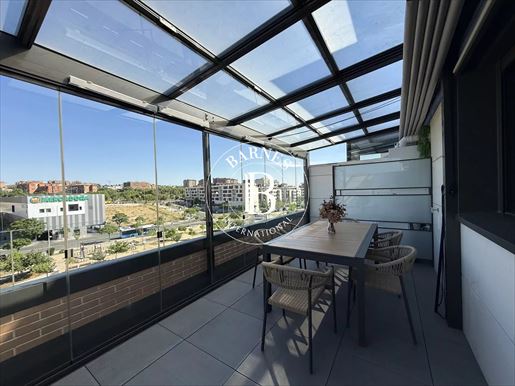
- increased demand for housing adapted to remote work (an extra room, outdoor space, good internet connection);
- stronger interest in well-connected peripheral districts, offering more square meters for a given budget.
For families and working couples, this opens up several scenarios:
- living in a central neighborhood, but in a more compact home;
- prioritizing a well-served suburban area with more space and sometimes a garden;
- opting for a new-build home designed for remote work, in the new urban developments.
Data on demand from countries such as the United States, France or the United Kingdom illustrates this trend well: many buyers are planning hybrid use of their property in Madrid, combining primary residence, international remote work and European pied-à-terre, which helps support prices in the most sought-after segments.
Madrid, a residential market built on stability and long-term value
Beyond passing trends, Madrid stands out as a structured residential market where the notion of long-term value remains central. For a life project, this matters just as much as for a purely financial investment.
Compared to other major European capitals, Madrid offers:
- a rare combination of stability, demographic growth and quality of life;
- a varied housing stock (period, recent, new) suitable for different types of buyers;
- a relatively clear legal and tax environment, including for foreign resident buyers.
Within this framework, several approaches are possible:
- looking for a property in a consolidated central neighborhood, for long-term security and liquidity;
- targeting a neighborhood in transformation, with interesting appreciation potential;
- positioning yourself on a new-build project in the new developments, betting on the future evolution of the district.
The key is to align your property project with your life project:
- time spent in Madrid (primary residence, second home, hybrid remote work);
- holding period (short, medium, long term);
- tolerance for risk and uncertainty (developing urban projects, more established market).
In addition to global statistics, indicators from specialized platforms such as Green-Acres – which highlight the profile and budgets of foreign buyers – help position Madrid within the hierarchy of major European cities: a capital that is increasingly international, yet still able to offer varied purchase paths depending on each buyer’s means and priorities.
With good preparation and the right support, Madrid can thus become much more than a travel destination: a true place to live, offering meaning and stability for the years to come ✨.