Murcia 2026: a “moderate economy” region attracting buyers in south‑eastern Spain
The region of Murcia is neither the richest nor the most publicized in Spain. Classified among the regions with a moderate economy, it is nevertheless progressing rapidly and gaining in attractiveness compared with already saturated areas such as Barcelona, Valencia or the Costa del Sol.
For a foreign buyer, this means a territory that is still catching up, where it is still possible to find properties at prices below the average of the major coastal regions, while benefiting from strong medium‑term value‑growth potential.
Data from buyer searches on the Murcia market on Green Acres show, for example, that demand often focuses on family‑sized houses and apartments with generous outdoor spaces, but at price levels still below those observed on other, more famous Spanish coasts.
Estimated 2026 GDP at +2.9%: among the most dynamic in Spain
Macroeconomic forecasts for 2026 indicate a regional GDP increase of around 2.9%, which would place Murcia among the most dynamic autonomous communities in the country.
In practical terms, this translates into:
- an economy that remains competitive, with lower costs than in major metropolitan areas;
- a developing fabric of SMEs, agri‑industry and services;
- public investment in infrastructure, logistics and tourism;
- a property market following this trend, with rising demand, particularly along the coast.
For a main home, second home or buy‑to‑let project, these prospects create a rather favourable environment: the region is not overheating, but it is moving in the right direction.
Remote workers, retirees and investors looking for more affordable environments
Murcia is attracting a new wave of residents: fewer passing tourists, more people considering a long‑term move. Several profiles are emerging:
- European remote workers: they benefit from the lower cost of living, good internet connections and a climate conducive to a more outdoor‑oriented lifestyle.
- Retirees: they look for a dry, warm climate, good healthcare services and a controlled housing budget, while remaining close to the sea.
- Buy‑to‑let investors: they are interested in apartments close to beaches, golf courses or urban centres, for seasonal or year‑round rentals.
These new arrivals favour:
- coastal areas between Cartagena and San Javier;
- quiet residential neighbourhoods on the outskirts of the city of Murcia;
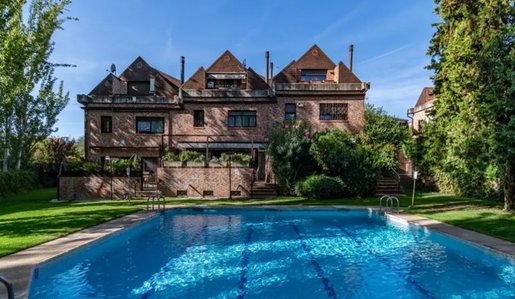
- residences with swimming pool, terraces and parking;
- recent or renovated, move‑in‑ready properties, to limit the need for remote works.
The common thread: the search for a gentler living environment, at a price that is increasingly hard to find on other Mediterranean coasts. 🌊
On the ground, this translates into strong enthusiasm for coastal municipalities such as San Javier, San Pedro del Pinatar or Los Alcázares: these towns combine immediate proximity to the sea, everyday services and decent road access to Murcia and Cartagena.
South‑east lifestyle: sea, sun and an affordable cost of living
Living in Murcia means accepting to be further away from Europe’s major capitals, but in exchange, everyday life becomes simpler: less stress, more light, more time spent outdoors.
The region offers an appealing balance between urban life, small coastal towns and inland villages, with budgets generally gentler than on the Costa Blanca or the Costa del Sol.
Climate, nature, coastal life: growing appeal
The region of Murcia benefits from a semi‑arid Mediterranean climate: plenty of sunshine, little rain, very mild winters. This is a major selling point, particularly for those fleeing the cold and gloom of northern Europe.
- More than 300 days of sunshine a year on average.
- Winter daytime temperatures often above 15°C.
- Particularly pleasant spring and autumn seasons.
This sunshine comes in addition to a wide variety of landscapes:
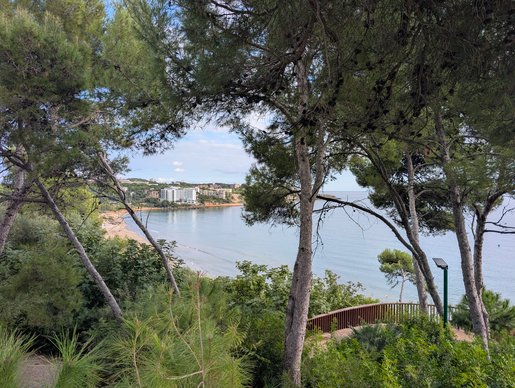
- Mediterranean coastline with beaches and coves around La Manga and Cartagena;
- lagoons and protected areas such as the Mar Menor;
- hills, orchards and farmland in the hinterland;
- natural areas ideal for hiking, cycling or golf.
For a life project, this means being able to swim for much of the year, enjoy regular outdoor physical activity and benefit from a bright environment, which has a strong impact on everyday morale. 😌
Expanding infrastructure: golf, tourism and logistics hubs
Alongside its economic development, Murcia is investing in infrastructure that strengthens its position in south‑eastern Spain.
- Golf courses and residential resorts: numerous complexes combining golf courses, secure residences, swimming pools and services, particularly popular with foreign buyers.
- Seaside tourism: upgrading of certain coastal areas, with modern residences, coastal promenades and sports facilities.
- Logistics and industrial zones: taking advantage of the proximity of the port of Cartagena, major road routes and the Mediterranean corridor.
This expansion has two main effects on real estate:
- increased demand in areas that are well served and close to amenities;
- the creation of opportunities in areas still under development, where prices remain lower.
For a buyer, the challenge is to identify the areas where infrastructure projects are already underway: this is often where the best prospects for property value‑growth lie in the coming years.
The area around Cartagena illustrates this dynamic well: a port city undergoing major transformation, it attracts an international clientele looking for character properties in the refurbished centre, but also for modern housing close to the coast, as evidenced by the searches recorded on property in Cartagena.
Services, mobility and the regionalisation of housing
As in other regions of Europe, Murcia is seeing its housing stock reorganise around medium‑sized towns and well‑connected peri‑urban municipalities.
The historic centres of Murcia and Cartagena remain attractive, but more and more residents are choosing areas slightly set back, where you gain in peace and living space for an equivalent budget.
Medium‑sized towns on the rise: Cartagena, Lorca and others
Several medium‑sized towns in Murcia are gaining residential importance, each with its own profile:
- Cartagena: historic port city, dynamic, with a strong local identity, a refurbished centre and an interesting cultural offer.
- Lorca: inland town with significant heritage, often lower property prices, and sought after for a quieter lifestyle.
- Coastal municipalities: San Javier, San Pedro del Pinatar, Los Alcázares, appreciated for their immediate proximity to the sea.
These towns generally offer:
- well‑developed everyday services (shops, schools, healthcare);
- a more human scale than major metropolitan areas;
- fairly quick access to beaches or main road routes.
For a main home project, they offer an interesting compromise between price, comfort of life and accessibility. For a buy‑to‑let investment, they often allow you to target year‑round clients, less dependent on the tourist season alone.
In Lorca, for example, buyers browsing listings in the town often look for houses or large properties in Lorca offering more space for a controlled budget, which attracts families and young retirees.
Improved connections and strategic projects in the hinterland
The regional authorities are also focusing on better internal mobility and on unlocking the potential of the hinterland.
Even if everything is not yet perfect, several trends are worth following:
- gradual improvement of road links between Murcia, Cartagena and inland areas;
- development of rail links and integration into the Mediterranean corridor at Spanish level;
- modernisation of healthcare and education infrastructure in some medium‑sized towns;
- projects linked to renewable energies and agri‑industry in inland areas.
This dynamic is paving the way for a regionalisation of housing: people are no longer limited to a few coastal hubs; new attractive places to live are emerging in the hinterland, particularly for:
- families looking for houses with gardens at affordable prices;
- buyers sensitive to peace, space and contact with nature;
- people ready to accept a few extra kilometres by car in exchange for greater everyday comfort.
For a property project, this encourages you to broaden your outlook: beyond the best‑known names, some second‑ring municipalities now offer excellent value for money, especially if you anticipate future improvements in transport and services.
The profiles of foreign buyers interested in the region are also varied: according to aggregated data for the province of Murcia on Green Acres, the French represent the leading foreign clientele, ahead of the Dutch, Germans, Belgians and British, with median budgets generally between €200,000 and €240,000 for floor areas around or above 100 m².
On the coast, towns such as San Javier, San Pedro del Pinatar, Los Alcázares or San Javier show strong demand for residences with swimming pools and good amenities, driven by a European clientele who are both holidaymakers and semi‑residents.