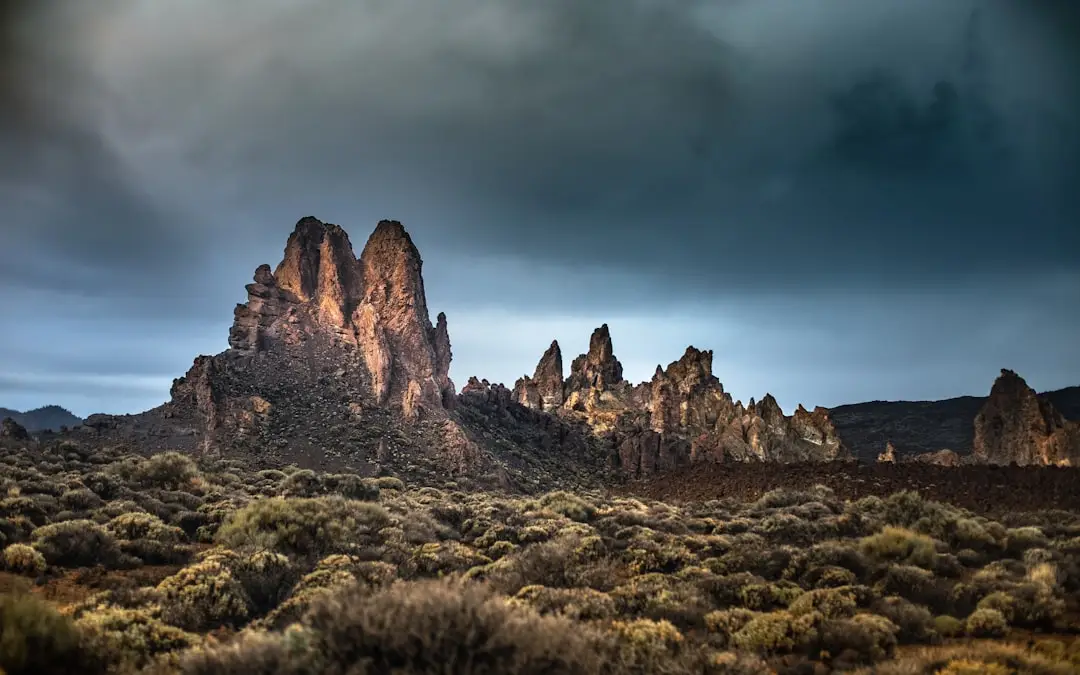
Canarian villages: volcanic identity, heritage and Atlantic horizons
The villages of the Canary Islands are far more than simple postcard scenery. They reflect an identity shaped by volcanism, insular isolation and maritime exchanges.
For a life project or an investment, understanding this identity helps you choose a place that truly matches who you are.
You will generally find:
- Typical architecture: whitewashed houses, dark woodwork, finely crafted wooden balconies.
- A strong link with the volcanic landscape: villages clinging to the slopes, viewpoints, spectacular gorges.
- Living traditions: religious processions, patron saint festivals, farmers’ markets, local crafts.
- A village atmosphere: local shops, a central square, a café where everyone knows each other. 😊
On top of this identity comes a very concrete dimension: these villages are now at the heart of real estate searches by Europeans, attracted by a mild climate, relatively stable taxation and prices still considered competitive compared with other Mediterranean coastlines.
Garachico, Teror, Tejeda: sought-after living environments, preserved authenticity
Some villages are especially popular with those who want to settle in the Canaries without living in a seaside resort.
Garachico (Tenerife) appeals thanks to its history marked by eruptions, its old port and its natural pools formed in the lava.
You will find:
- A very well-preserved historic centre.
- Active local life, with shops, schools and services.
- A property market still more affordable than in the highly touristic south of Tenerife.
Across all of Tenerife real estate, figures from Green Acres show that Italian, French and German buyers make up the top three foreign demand, with median surfaces around 60 to 100 m² depending on the profile, a format well suited to village houses, small historic buildings or homes with a patio in this type of town.
Teror (Gran Canaria) is known for its basilica and its houses with colourful balconies.
It is an interesting choice if you are looking for:
- A small mountain-town atmosphere, cooler in summer.
- A strong religious and festive identity.
- A compromise between rural life and proximity to Las Palmas.
In the province of Las Palmas, platform data confirms strong foreign demand, particularly from Italy and France, with median surfaces close to 70 to 110 m²: a format that suits renovated traditional houses or small properties overlooking the volcanic ravines.
Tejeda, listed among the most beautiful villages in Spain, offers a spectacular panorama over the volcanic rocks of Gran Canaria.
For a real estate project, it mainly attracts:
- Lovers of nature and hiking.
- People developing small tourism projects (guesthouses, B&Bs, wellness retreats).
- Remote workers looking for peace and breathtaking views.
In this type of hilltop village, available properties are often rarer, but buyers – Spanish and foreign alike – are willing to opt for more compact surfaces if the view, the terrace or the terraced garden are part of the package.
Teguise, Betancuria: island memory and cultural dynamism
Other villages stand out for their historical and cultural dimension, ideal if you enjoy places steeped in history.
Teguise (Lanzarote), the island’s former capital, is a white village set on the hills, surrounded by volcanic landscapes shaped by human hands.
It is especially appreciated for:
- A very pleasant pedestrianised town centre.
- A famous Sunday market combining crafts, gastronomy and street entertainment.
- A supply of village houses and historic homes with inner patios.
These character properties attract buyers ready to invest more in renovation, to combine respect for traditional elements (patios, woodwork, lava-stone walls) with modern comfort, resulting in year-round life projects or second homes with a strong family dimension.
Betancuria (Fuerteventura) is a small historic village at the heart of an arid, mineral landscape.
It attracts:
- Those seeking a very peaceful setting, almost out of time.
- Lovers of religious heritage and small local museums.
- People looking for an intimate second home, far from large seaside resorts.
These villages often combine:
- Well-preserved heritage.
- Cultural life driven by local festivals and community initiatives.
- A solid base for developing a life project, a craft activity or a small tourism business, in keeping with the place.
In the most sought-after areas of Las Palmas de Gran Canaria, the surfaces requested by foreign buyers – around 100 m² for the French, for example – reflect this desire to reconcile regular family use with potential, carefully managed seasonal rentals, rather than mass returns.
Summer 2026: record tourism and local impact
Forecasts point to a record-breaking summer 2026 for tourism in the Canary Islands.
For the villages, this means more visitors, more potential income… but also choices to be made to preserve quality of life and authenticity.
Rising visitor flows and spending: shops, crafts, restaurants
Current trends already show:
- An increase in multi-island and itinerant stays, with more visits to villages.
- A higher average spend, driven by gastronomy, local experiences and crafts.
- Growing interest in local products: cheeses, volcanic wines, honey, traditional pastries.
For residents and newcomers, this can translate into:
- Opportunities to take over or create small businesses.
- The development of projects around local cuisine, guided tours or craft workshops.
- Better recognition of local expertise and products.
In villages such as Garachico, Teror, Teguise or Betancuria, this dynamic can strengthen the local economy while supporting the renovation of historic buildings.
Provided a balance is found between welcoming visitors and respecting quality of life. ⚖️
For those planning to move, the challenge is also to cross-check these tourism prospects with real estate market data: who is buying, what type of property, and for what purpose (primary residence, second home or tourism project).
Dispersed accommodation and nature itineraries: pressure to manage
The success of Canarian villages is partly based on their authenticity and still-preserved landscapes.
The rise of tourism and homestay accommodation therefore raises several issues.
Notable trends include:
- A multiplication of short-term rentals in historic centres.
- Increased pressure on certain hiking trails and natural sites.
- A gradual rise in property prices in the most sought-after villages.
For a purchase project, it is useful to:
- Find out about local regulations on tourist accommodation.
- Assess visitor numbers according to the season.
- Check whether the municipality pursues a preservation policy (limiting licences, landscape protection, soft-mobility plans).
Dispersed accommodation (B&Bs, small houses, rural lodgings) and well-marked nature routes can benefit everyone:
- Residents, through additional income.
- Visitors, through a more intimate and respectful experience.
- Newcomers, through realistic, human-scale economic models.
The key for Canarian villages will be to continue welcoming people without turning into tourist theme parks.
And for you, to choose a place where your life project fits naturally into the story already unfolding. 🌊