Seaside villages and medieval towns: experiencing Galicia’s heritage
In many Galician villages, heritage isn’t frozen in time: it’s part of daily life. Locals keep alive traditional festivals, fish markets, the Galician language and a slower pace of life.
For a buyer or future resident, this means:
- an authentic living environment, far from standardized seaside resorts;
- historic centers still lived in by local families;
- a strong connection to the sea, the land and the seasons;
- villages that stay lively all year round, even outside summer.
Combarro, Muros, Mondoñedo: stone, hórreos and façades on the Atlantic
These three villages give an excellent overview of the diversity of Galician landscapes, while sharing one common trait: stone as the guiding thread of their architecture. 🏡
Combarro (near Pontevedra) is one of the most emblematic villages of the Rías Baixas. You’ll find:
- hórreos (raised granaries) lined up facing the sea;
- narrow granite-paved streets, lined with small fishermen’s houses;
- a very lively atmosphere at the end of the day, when the terraces fill up.
As a buyer, Combarro mainly offers:
- old village houses to renovate or already restored;
- a tight market on the seafront, but opportunities on the second line or in nearby hamlets;
- an ideal location to alternate village life and boat trips in the rías.
Across the province of Pontevedra, data collected by Green Acres also show that foreign buyers tend to opt for more family-sized properties: median floor areas around 170 to 240 m², with a median price per m² often between €1,300 and €2,200/m² depending on the country of origin. Swiss, British, Dutch, German and French buyers are particularly well represented, reflecting growing international interest in these coastal villages.
Muros, on the coast, has a spectacular maritime frontage, with:
- a seafront lined with arcades and traditional houses;
- a fishing port that is still active;
- a very homogeneous historic center built in light granite.
Muros particularly appeals to those looking for:
- a coastal village more authentic than the large resorts;
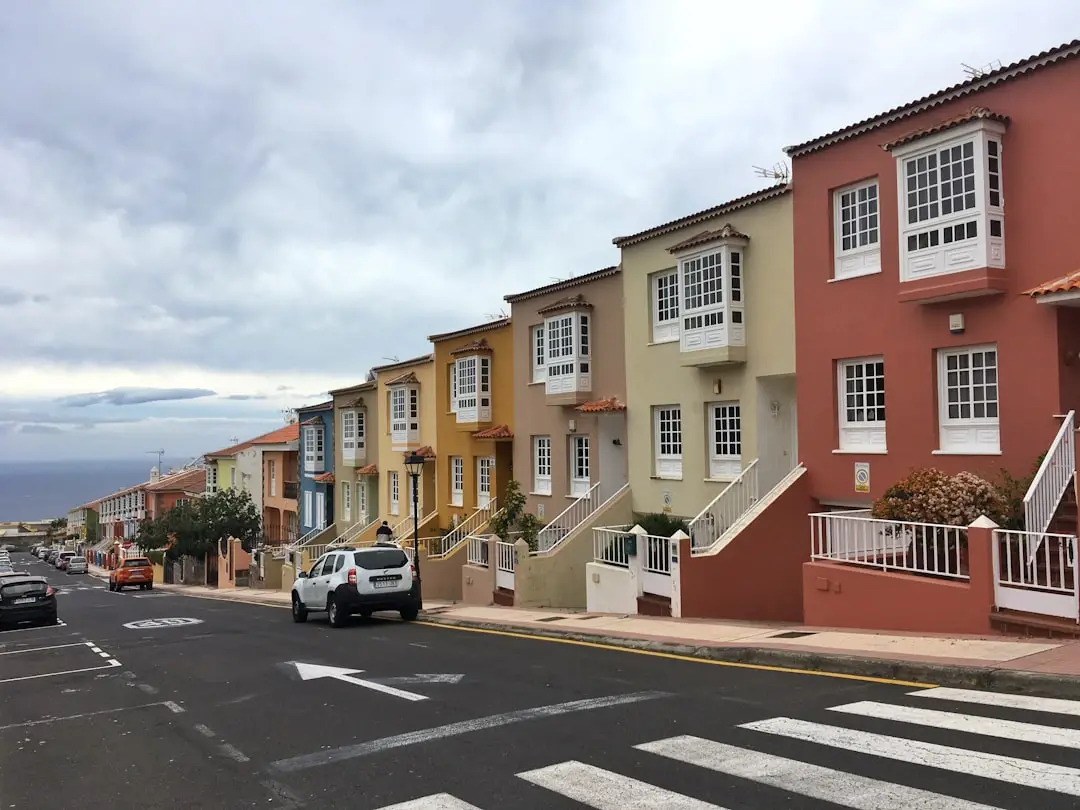
- typical houses with enclosed balconies, sometimes with views over the port;
- easy access to the wilder Costa da Morte.
On the local market in Muros, the most sought-after properties have on average generous floor areas, around 137 m², for village houses or family homes. Demand focuses in particular on homes that combine sea views, historic centers and the possibility of seasonal rentals.
Mondoñedo, more oriented towards the interior, is a former episcopal center known for:
- its listed cathedral and large central square;
- its traditional stone architecture and slate roofs;
- an atmosphere that is more rural and cultural than seaside.
Here, property opportunities focus on:
- village houses with plenty of space (and sometimes major works needed);
- prices often lower than on the coast;
- a setting conducive to a quieter life, with craftspeople and small shops.
Figures collected by Green Acres for the province of Lugo, where Mondoñedo is located, confirm this more affordable positioning: foreign demand targets properties with a median surface area of around 245 to 420 m², for median prices often below €150,000. The median price per m² remains very contained (often under €800/m²), illustrating the renovation potential of large stone houses in the hinterland.
Betanzos, Ribadavia: preserved historic centers and neighborhood life
Galicia is also about lively medieval towns in the interior, well connected to the main cities.
Betanzos, close to A Coruña, is known for:
- its elevated historic center with winding streets;
- its Gothic churches and houses with wooden balconies;
- its proximity to major infrastructure (roads, services, hospitals).
For a property project, Betanzos combines:
- a real neighborhood life all year round;
- apartments in the old center and townhouses;
- the possibility of combining remote work, family life and getaways to the sea.
In the province of A Coruña, to which Betanzos belongs, foreign demand data confirm an already well-established attractiveness: French buyers, for example, account for nearly 13% of enquiries, with median prices around €200,000. Median floor areas revolve around 200 m², corresponding to family houses or beautiful period apartments, often sought after for mixed use as a second home and remote-work base.
Ribadavia, in the heart of the Ribeiro wine region, appeals thanks to:
- its very well-preserved former Jewish quarter;
- its festivals celebrating wine and medieval history;
- a setting of green hills and vineyards.
Ribadavia will appeal to those looking for:
- a lively village centered around a genuine local culture (wine, gastronomy);
- stone houses with small courtyards or gardens;
- a gentler atmosphere, far from the tourist pressure of the best-known coasts.
In the province of Ourense, where Ribadavia is located, foreign buyers interested in wine-growing villages tend to have more modest budgets: demand from the Netherlands, for example, targets properties of around 226 m² for a median price of €65,000, i.e. a median price per m² of under €300/m². This market structure clearly reflects the potential for purchasing old winegrowers’ houses to renovate and turn into second homes rooted in the Ribeiro landscape.
High local value itineraries for 2026
Galician authorities and local players are increasingly focusing on itineraries that promote village culture, nature and the local economy rather than mass tourism.
For a future buyer, these dynamics matter:
- they help maintain schools, shops and services;
- they improve infrastructure (paths, signage, access);
- they increase the attractiveness of your property for off-season holiday rentals.
Rías Baixas and Costa da Morte: off-peak stays to preserve balance
The Rías Baixas and the Costa da Morte are at the heart of thinking about tourism that is more spread out in time and space.
In practice, this involves:
- promoting spring and autumn stays rather than focusing only on August;
- cultural events spread across the year (festivals, food fairs, guided hikes);
- encouraging walking or cycling routes between villages.
For you, as an owner or investor, this can mean:
- better occupancy of your property over several months;
- less pressure on villages in the height of summer, and thus preserved quality of life;
- particular appeal for travelers seeking authenticity rather than mass tourism.
Demand observed in coastal provinces such as Pontevedra or A Coruña already shows a rise in buyers who are not targeting summer use alone. Many projects therefore combine off-season stays, occasional remote work and a few weeks of rental in summer, which helps spread visitor numbers more evenly across the year.
Family accommodation and heritage circuits driven by demand
Demand is increasingly turning towards:
- small village houses for family stays;
- guest rooms or casas rurales run by private individuals;
- tours that combine heritage, nature, gastronomy and local encounters.
This shift directly benefits owners who choose to:
- renovate old houses and rent them out for short or medium stays;
- offer simple experiences rooted in the local area (basket of local products, recommendations for walks, introductions to guides or craftspeople);
- opt for interior design that respects stone, wood and local materials.
In 2026 and beyond, villages that manage to strike this balance between welcoming visitors and respecting residents will also be the ones where it feels good to settle… or to return to every year. 😊
Economic effects on village property
The growth of higher-quality tourism and the rediscovery of Galician villages have visible effects on the local property market.
We can see in particular:
- a renewed interest in renovating old buildings;
- the creation of small local businesses (crafts, restaurants, services);
- a gradual, but still moderate, increase in prices in certain areas.
Targeted renovations, new craft activities and restaurants
Stone, long neglected in some hamlets, is once again becoming an asset.
More and more projects focus on:
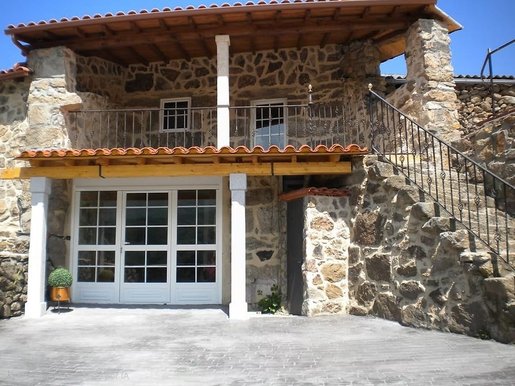
- restoring stone fishermen’s houses or village houses;
- converting former outbuildings into holiday cottages or workshops;
- enhancing inner courtyards, patios and small gardens.
These renovations create a virtuous circle:
- they provide work for local craftspeople, masons, carpenters and joiners;
- they encourage the opening of cafés, wine bars and small local restaurants;
- they contribute to the regeneration of streets that were sometimes abandoned.
For a foreign buyer, it is important:
- to build the right team (architect, craftspeople, and possibly a property coach);
- to check local planning regulations (protected areas, historic façades);
- to plan a realistic renovation budget, often higher for old buildings.
Price differences between provinces also serve as a reminder that location remains key: a renovation project in inland Lugo or Ourense is not calculated on the same basis as a fisherman’s house in the Rías Baixas or facing the Costa da Morte. Hence the value of comparing the feel of villages visited on the ground with objective price and floor-area data from observatories such as Green Acres.
Opportunities for small houses near the coast (budget < Spain average)
Despite this positive momentum, Galicia still remains below the Spanish average in terms of property prices, especially outside the major cities.
In practical terms, this means:
- small village houses at still affordable prices;
- hamlets near the coast where you can find properties on a budget lower than in the highly touristic areas of the rest of Spain;
- room for negotiation, especially on properties that need renovation.
Of course, everything depends on:
- the actual distance to the sea or to a lively center;
- the condition of the property (simple refresh or major renovation);
- whether or not there is a small outdoor space: terrace, patio, garden.
For a second-home project, the types of properties most often sought are:
- granite houses of 60 to 100 m², with 2 or 3 bedrooms;
- small fishermen’s houses in seaside villages;
- townhouses with a ground-floor space that can accommodate a workshop or side activity.
Searches by foreign buyers recorded in rural areas of Lugo or Ourense clearly illustrate this positioning: large floor areas, still low median prices and a clientele that is willing to move a little further away from the coast in exchange for more space and a lower budget. Conversely, coastal provinces such as Pontevedra or A Coruña concentrate more demand for ready-to-move-in properties, often closer to services and the Atlantic.
Rural Galicia as a second-home choice
Choosing rural Galicia as a second home often means looking for:
- milder summers than in southern Spain;
- a very green environment, with quick access to the ocean;
- a feeling of being at the “end of the world” while still being in Europe.
For a holiday home or a future pied-à-terre for retirement, a few points deserve particular attention.
Choosing the right village and pace of life
Before buying, it is useful to:
- spend time there off-season (spring, autumn or even winter);
- try out several villages: seaside, medieval, more or less close to a major city;
- observe real life: open shops, schools, transport, atmosphere in the evening.
Ask yourself some simple questions:
- Do you mainly want to come in summer or all year round?
- Do you need to work remotely from there (internet connection, office space)?
- Do you want to rent out your property when you’re not there?
The answers to these questions will help you target:
- very quiet villages that are almost exclusively residential;
- or, on the contrary, livelier small towns with events and community life.
Factoring in access, services and your long-term plans
A successful second home is a place you enjoy returning to, but also a long-term, coherent project.
In particular, check:
- the distance to airports (Santiago de Compostela, A Coruña, Vigo);
- the presence of basic services: doctor, small grocery store, bar-restaurant;
- ease of access on foot or by car (roads, parking, slopes).
Think about the future as well:
- will you be able to spend longer periods there in a few years’ time?
- is the house suitable for use outside summer (insulation, heating, damp)?
- will resale be made easier by the location and type of property?
In Galicia, a successful second-home project often rests on a trio:
- a lively village, even on a small scale;
- a character house that is also comfortable;
- a respectful approach to the area and its inhabitants.
It is precisely this mix that is attracting more and more buyers to the most beautiful villages in Galicia, between coastal hamlets, granite and Celtic traditions. ✨