Villages in Murcia: coastal authenticity and residential value
The region of Murcia stretches between the sea and the hinterland, with a multitude of villages located less than 100 km from the beaches. For a long time, these localities were merely stopovers on the way to the coast.
Today, they are becoming sought-after residential destinations, especially for buyers who want to enjoy the sea… without having to deal with the hustle and bustle of seaside resorts.
On the international market, Murcia mainly attracts nearby Europeans. According to searches carried out on Green Acres, the French account for nearly one fifth of foreign enquiries, ahead of the Dutch, Germans, Belgians and British, with median budgets often below €240,000 and median floor areas of around 110 to 120 m².
This buyer profile helps maintain an “affordable” positioning while gradually pushing the quality of the offer upwards.
Set-back coastal villages: a new residential appeal
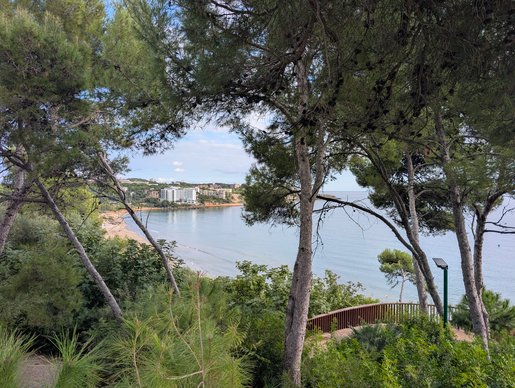
Less than an hour’s drive from the beaches of the Costa Cálida, many villages combine rural calm with easy access to the sea. This position “off the beaten track but not isolated” attracts a varied audience:
- young families looking for larger homes at reasonable prices;
- remote workers who prioritise quality of life and internet connection over immediate proximity to the office;
- international retirees seeking a peaceful environment, yet close to amenities and Alicante or Murcia airports;
- investors anticipating an upgrade of these still affordable villages.
In practical terms, these villages often offer:
- village houses with patios or rooftop terraces;
- small terraced villas with gardens, common in recent developments;
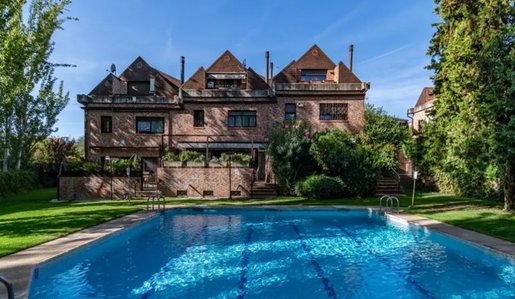
- modern, small-scale apartments, sometimes with a communal pool.
Prices generally remain lower than in municipalities directly on the seafront, which makes it possible to:
- buy a larger property for the same budget;
- consider a primary or semi-primary residence project;
- invest in two properties (one for yourself, one for rental) instead of just one on the coast.
At the regional level, foreign buyers interested in these villages often target 3-bedroom (or more) houses, with a median surface area exceeding 100 m², confirming the importance of family projects or comfortable second homes rather than simple holiday studios.
Traditional architecture, marinas and a quiet lifestyle
One of the major assets of Murcia’s villages lies in their architectural identity, inherited from Moorish and Mediterranean influences. This atmosphere can be seen in:
- white or ochre façades, often decorated with local ceramics;
- rounded tile roofs typical of Mediterranean houses;
- narrow streets that stay cool in summer;
- inner courtyards and terraces that are true open-air living spaces.
In villages close to the sea or a lagoon, the presence of a small marina boosts residential appeal:
- possibility of keeping a boat or sailing yacht just a few minutes from home;
- friendly atmosphere around quay bars and restaurants;
- occasional summer events, while maintaining a very peaceful pace for the rest of the year.
Everyday life there remains gentle and simple:
- local shops (bakeries, markets, small grocery stores);
- essential services (schools, medical practices, pharmacies) in the larger villages;
- local festivals, processions and events that foster a genuine sense of community.
For those looking for a typical Mediterranean atmosphere without permanent tourist pressure, these villages offer an attractive compromise between authenticity and modern comfort. 🌿
Tourism and second homes: a boom effect expected by 2026
Murcia is experiencing strong but more gradual tourism growth than other Spanish regions. This rise, driven by the golf + sea duo, is accelerating thanks to new infrastructure and greater international visibility.
Many analysts are expecting a real “boom effect” around 2026, with increased demand for second homes in the most popular villages.
Property search data already shows broad international interest: after the French, the Dutch, Germans, Belgians and British account for most foreign enquiries, with budgets often between €190,000 and €240,000.
This price range illustrates a market that remains affordable compared to other, more publicised Spanish coasts, while still offering potential for capital growth if demand continues to increase.
A rapidly growing seasonal rental market: between golf and sea
The region is known for its many golf courses, often located close to residential complexes or rural villages. Combined with proximity to the sea, this creates a highly sought-after mix:
- off-season golf breaks from October to April, with mild weather;
- classic summer beach holidays, especially for families;
- medium-term stays (1 to 3 months) for European retirees.
As a result, the seasonal rental market is rapidly taking shape, providing attractive opportunities for property owners:
- good occupancy rates over a large part of the year;
- strong demand for well-located properties (between golf and beach, or with a pool);
- attractive rental incomes for modern, well-equipped accommodation.
The most sought-after properties for seasonal rentals are often:
- 2- or 3-bedroom apartments with terraces and open views;
- townhouses in secure residences with a pool;
- detached villas with gardens, ideal for groups or families.
For a buyer, this means it is possible to:
- use the property a few weeks a year;
- rent it out the rest of the time to cover part (or even all) of the running costs;
- anticipate capital appreciation if the village becomes more popular by 2026.
A new demand for family housing in trendy villages
Alongside short-stay tourism, an underlying trend is emerging: certain villages in Murcia are becoming “trendy” among a younger audience, often working remotely or moving between several countries.
The following are appearing:
- cafés with high-quality wifi, ideal for digital nomads;
- modern restaurants focusing on local and sustainable cuisine;
- cultural events, concerts, craft markets;
- bilingual or international schools within driving distance.
This transformation is driving growing demand for housing suited to year-round family life:
- houses with 3 or 4 bedrooms and secure outdoor space for children;
- homes with good energy performance and decent insulation;
- reliable fibre optic connections or strong 4G/5G coverage.
The most sought-after villages often combine:
- a well-preserved historic centre with Moorish charm;
- a growing range of services (healthcare, education, sports);
- reasonable access to a major city (Murcia, Cartagena) for work or study.
By 2026, this family- and lifestyle-oriented demand could weigh as heavily as demand for purely tourist second homes, diversifying buyer profiles and stabilising the local property market. 👍
Rural heritage and alternative investment
Far from the large seaside resorts, the region of Murcia harbours discreet rural heritage: traditional farmhouses, old village houses, small properties surrounded by almond, olive or citrus trees. For some buyers, these properties represent a form of alternative investment, both as an asset and as a life project.
Houses to renovate at moderate prices: potential for appreciation
In many villages in the hinterland or in-between areas (neither fully rural nor entirely coastal), there are still houses in need of renovation at accessible prices. They are especially attractive to:
- couples or families looking for a long-term renovation project;
- craftspeople, architects or designers who want to shape a place in their own image;
- investors wishing to create a guesthouse, holiday rental or small tourist project.
These properties often feature:
- a sound structure but outdated comfort (electrics, plumbing, insulation);
- beautiful authentic elements to preserve: beams, cement tiles, vaulted ceilings, patios;
- potential for extension (attic space, adjoining barn, land).
The main advantage remains the price / potential ratio:
- lower initial purchase price compared to a fully renovated property;
- possibility of spreading renovation work over several years;
- strong potential for capital appreciation if the village or area moves upmarket.
However, it is essential to prepare your project carefully:
- study local planning regulations (extensions, permitted materials);
- cost the works with experienced local companies;
- allow a financial safety margin for unforeseen expenses.
The profile of buyers interested in this rural heritage is often more diverse than one might think: alongside retirees or neo-rurals, there are working Europeans who keep one foot in their home country while investing in a character property in Murcia, taking advantage of prices that are still contained compared with other Spanish regions.
Local renovation incentives and rural entrepreneurship
Revitalising rural villages is a major challenge in Spain, and Murcia is no exception. Several programmes aim to encourage the renovation of old buildings and the arrival of new residents, particularly entrepreneurs.
Depending on the municipality and period, it may be possible to benefit from:
- grants for energy-efficient renovation (insulation, windows, solar panels);
- subsidies for the restoration of façades or historic buildings;
- local tax relief for certain tourist or commercial projects.
For those with a project in mind, there are many opportunities:
- turning an old village house into a guesthouse;
- setting up a coworking space or cultural café to attract remote workers;
- developing activities linked to wine tourism, hiking or cycling;
- offering workshops (cooking, ceramics, wellness) for a local and international clientele.
More and more municipalities are realising that:
- attracting new residents boosts local shops and schools;
- enhancing built heritage strengthens the village’s identity;
- responsible tourism focused on nature and culture is more sustainable in the long term.
Data on demand collected by specialist platforms such as Green Acres confirm this growing interest in Murcia’s villages: the diversity of nationalities searching shows that the market no longer depends on a single buyer country, which is an asset in terms of resilience for the years ahead.
For a buyer, learning about local support schemes and territorial development strategies can make the difference between a simple property purchase and a genuine life project. 🌞