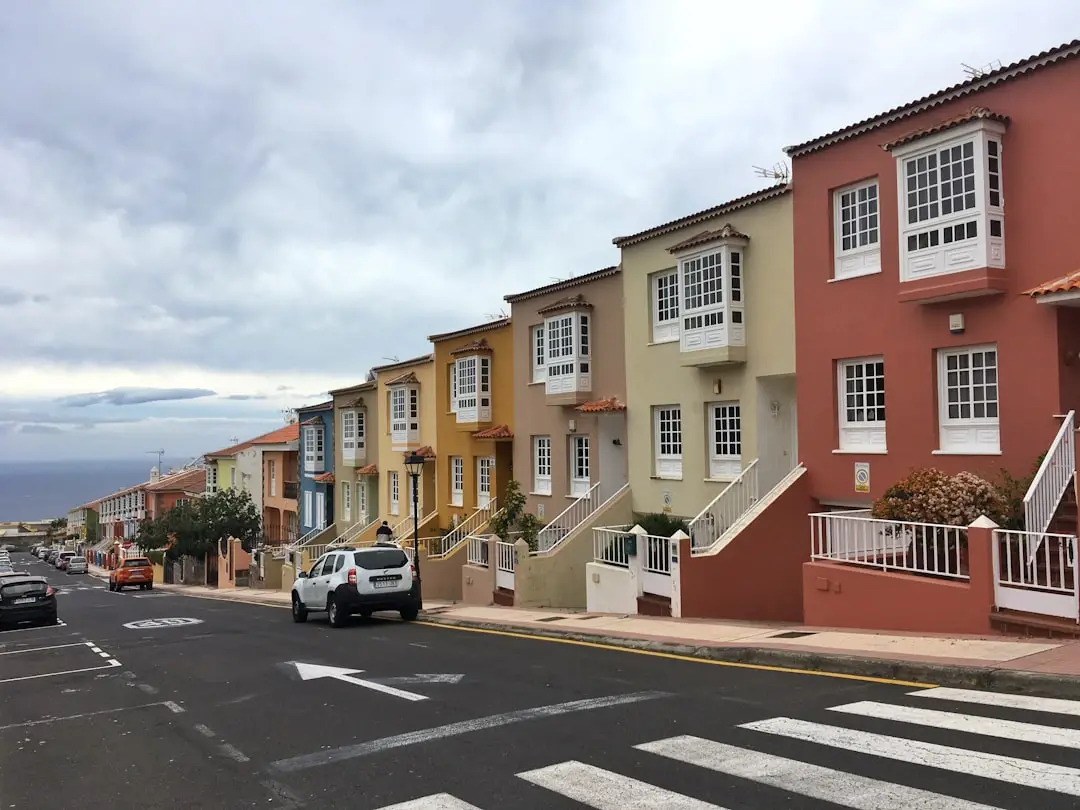
Villages of the Valencian Community: baroque heritage, sea and authentic life
Between the Mediterranean, inland mountains and agricultural plateaus, the Valencian Community offers a mosaic of villages with strong character, far removed from the “concrete Costa del Sol” image sometimes associated with Spain.
You’ll find:
- perched fortified towns, treasures of the Middle Ages
- baroque towns shaped by the Counter‑Reformation and Spain’s golden age
- fishing villages with white façades facing the sea
- rural communities where agriculture still shapes everyday life
The common thread? A strong local identity, generous gastronomy and a constant connection to either the sea or the mountains.
Xàtiva, Bocairent, Morella: strong heritage, discerning tourists
These three villages (or small towns) perfectly embody the heritage and tourism potential of inland Valencia.
- Xàtiva (province of Valencia): dominated by an impressive double castle, the town is renowned for its baroque heritage, steep alleyways and history linked to the powerful Borgia family. On the market, you’ll mostly find large village houses in Xàtiva or vast properties to renovate, with generous average floor areas of around 250 m².
- Bocairent (Valencia): houses clinging to the cliffside, troglodyte caves, a labyrinthine old town and the landscapes of the Sierra de Mariola, much loved by hikers. Properties for sale are often large character buildings, suitable for hospitality projects (gîtes, B&Bs) or spacious family homes.
- Morella (Castellón): a medieval citadel surrounded by ramparts, considered one of the most beautiful villages in Spain. A fairy‑tale atmosphere in winter and a lively scene during traditional festivals.
These destinations attract tourism that is more “discerning” than simple beach holidays:
- travellers with a keen interest in heritage and culture
- lovers of gastronomy, local produce and regional wines
- hikers, cyclists and photographers in search of spectacular scenery
For a buyer, this means:
- a protected environment with local policies often focused on heritage preservation
- a tourist demand that is less mass‑market but more stable and solvent
- targeted seasonal rental potential (themed stays, family stays, long‑term remote work)
In these inland villages, buyer profiles remain varied: European couples looking for an authentic pied‑à‑terre, families seeking a holiday home away from the crowds, or niche tourism project holders who prioritise charm and floor space over immediate proximity to the beach.
Coasts of Castellón and Alicante: upgraded historic villages
By the sea, some municipalities have successfully enhanced their historic centre without sacrificing their identity to real estate speculation.
- Peñíscola (Castellón): a village dominated by a Templar castle overlooking the sea, whitewashed alleyways, ramparts, an active fishing port. Very touristy, but the historic centre retains undeniable charm. Properties on the market show median floor areas of around 110 m² for apartments or houses close to the sea in Peñíscola.
- Altea (Alicante): whitewashed houses, iconic blue dome, artists’ alleyways overlooking the Mediterranean. A boho‑chic atmosphere, popular with creatives and remote workers, with a more upmarket property market where demand often focuses on large villas or prestige homes of around 300 m².
- Property in Villajoyosa/La Vila Joiosa (Alicante): colourful façades facing the sea, a chocolate‑making tradition, a pleasant urban beach, and an old town still inhabited by locals. Floor areas remain comfortable (close to 160 m² median), which appeals to families and active retirees looking for a primary or semi‑primary residence.
These historic coastal villages often present a double face:
- a lively seafront, convenient for shops and services
- a quieter old town, ideal for authentic everyday life or a characterful second home
For a property project, they represent an interesting compromise between village life and easy access to the beach, restaurants and transport.
Data from the Green Acres database also show that foreign demand is heavily concentrated in the province of Alicante, where French, Dutch and German buyers are among the most active, with median budgets of around €295,000 for floor areas of about 120 m².
In the province of Castellón, the profile is somewhat more accessible, with a median of around €140,000 for more compact homes, opening the door to second‑home projects with a more modest entry ticket.
Residential tourism and local regeneration
The Valencian Community has seen a strong wave of construction along its coasts, but many inland villages and some historic centres by the sea are now betting on a different path: renovation, high‑quality residential tourism and urban regeneration.
Rural market reborn: housing restoration, slow tourism
In the hinterland, the rural property market is reinventing itself.
In particular, we’re seeing:
- the restoration of traditional village houses (stone, vaults, inner patios)
- the conversion of farm buildings into housing or charming holiday rentals
- the showcasing of intangible heritage: local festivals, artisanal know‑how, gastronomy
- the development of slow tourism: longer, off‑season stays focused on nature, well‑being and local discovery
For a foreign buyer, this trend opens up concrete avenues:
- acquiring a house to renovate in order to create a bespoke pied‑à‑terre
- transforming a large building into a hospitality project (B&B, coliving, creative retreat)
- investing in a village on the rise, still affordable but already on the radar of curious travellers
In villages like Bocairent or Xàtiva, the large floor areas typical of old houses lend themselves particularly well to these hybrid projects: part family residence, part guest rooms, studio or remote‑work space.
High‑season boost, but increasingly visible off‑season life
Traditionally, the high season (summer, school holidays, long weekends) concentrates most tourist activity. But Valencian villages are now seeing a different dynamic emerge.
Thanks to:
- the rise of remote work
- Northern Europeans’ search for a sunny quality of life
- the growth of cultural and nature‑based tourism
…off‑season life is strengthening. We’re seeing the return of:
- cafés open all year round
- cultural events spread over several months
- services designed for permanent residents (healthcare, education, mobility)
For a second‑home project, this is a major asset: your house isn’t only alive for two months a year, and you can enjoy a lively village in autumn or winter, with a gentler atmosphere and fewer crowds. 🍂
In the provinces of Alicante and Castellón, statistics on foreign buyer demand clearly illustrate this trend towards “deseasonalisation”: a diversified European clientele (France, the Netherlands, Germany, Belgium, Switzerland, the United Kingdom, but also Poland, Romania and Algeria) fuels the market all year round, with second‑home projects that often evolve into semi‑primary residences.
Opportunities for village houses and second homes
Unlike the large, saturated seaside resorts, many villages in the Valencian Community remain financially accessible while offering an excellent quality of life and interesting value‑appreciation potential.
Moderate budget in out‑of‑the‑way villages
In many inland villages or those slightly set back from the coast, it is still possible to find village houses at a moderate price per m², often around or below €1,600–2,000/m², depending on condition, exact location and property size.
In practice, this may allow you to:
- buy a small habitable house with an overall budget kept under control
- invest in a large property to renovate and fit out gradually
- prioritise charm (view, terrace, patio, exposed stone) over sheer floor area
The villages a little “set back” from the coast, but linked by a decent road or regional bus, often offer the best balance:
- less speculative pressure than on the seafront
- a more stable local community, with neighbours present all year round
- reasonable access to beaches, healthcare services and major cities
In this context, the data available for Peñíscola and Villajoyosa show that it is still possible to find mid‑range properties: neither rock‑bottom prices of the hinterland nor the peaks of the ultra‑prime coastal segment, but a “comfortable” range that allows you to combine sea view, village life and a controlled budget.
Value‑appreciation potential driven by local revitalisation
Beyond the purchase price, the issue of value‑appreciation potential is central to a well‑thought‑out project.
Several trends work in favour of Valencian villages:
- public revitalisation policies (renovation grants, enhancement of historic centres)
- the gradual arrival of new European residents seeking sunshine and remote work
- the upmarket shift of certain tourist offerings (charming accommodation, restaurants, outdoor activities)
In practice, this often translates into:
- renewed interest in well‑located houses (view, proximity to the main square, parking access)
- greater ease of renting year‑round or seasonally, especially in well‑connected villages
- possible medium‑term price appreciation if the village confirms its positive trajectory
To maximise your chances of making a good choice, it is useful to:
- observe local vitality: open shops, a school, markets, municipal projects
- analyse transport links: time to the beach, to the nearest train station or airport
- project yourself into the off‑season: visit in autumn or winter to feel the village’s real atmosphere
Aggregate data from Green Acres on foreign buyers in Alicante and Castellón confirm that these markets remain attractive for a range of budgets, from small holiday apartments to family village houses, with a base of international demand that supports market liquidity while leaving room for long‑term projects.