2026 Market in Galicia: steady, gradual growth
September 2026: €1,473/m² (+4.3% y/y), a controlled increase
In September 2026, the average property price in Galicia is around €1,473/m², up by about +4.3% year-on-year.
This trend remains moderate compared with other highly touristic Spanish regions, where double‑digit increases have multiplied since 2020. In Galicia, the market is moving at a calmer pace, which still leaves the door open for new entrants.
Another key element: the region has recorded a series of uninterrupted monthly increases since February 2026. This reflects:
- strong demand, especially in coastal areas and major cities such as A Coruña, Vigo and the Rías Baixas;
- a slightly shrinking supply in certain segments (renovated properties, sea views, historic centres);
- an overall healthy market, without any sudden price surge.
For a buyer, this means that it is still possible to negotiate, especially outside the most sought‑after hotspots, but that waiting too long is becoming risky in already highly desirable areas.
Moderate entry tickets compared with major tourist regions
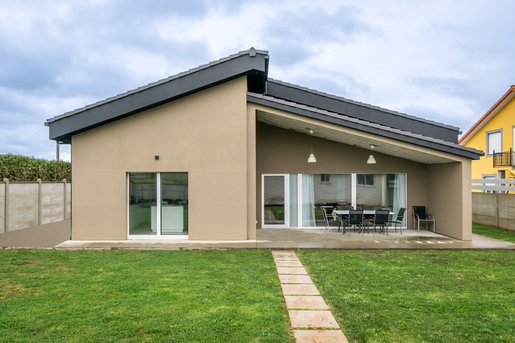
Compared with the Costa del Sol, the Balearics or Barcelona, Galicia still offers much lower entry tickets. In concrete terms, for a given budget you can often:
- buy a larger property (more generous floor area);
- aim for a better location (close to the sea, city centre);
- or invest in a property with value‑add potential (renovation, extension).
By way of illustration, with a budget that would only buy a small apartment in some saturated seaside resorts in southern Spain, you can still consider:
- a comfortable apartment in a dynamic Galician city;
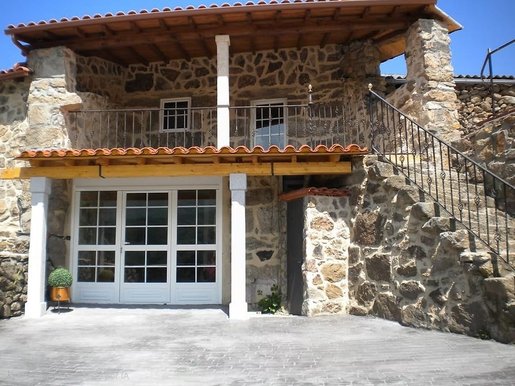
- a small village house to renovate, less than an hour from the coast;
- or a simple but well‑located second home in a coastal area still little known to foreigners.
It is this combination of contained prices and high quality of life that currently makes Galicia a market closely watched by buyers seeking long‑term value.
Cities and coasts: a nuanced reading of values
A Coruña and Vigo: above average, strong demand
Large coastal cities such as A Coruña and Vigo display prices above the regional average. There we see:
- square‑metre values significantly higher than the regional €1,473/m², particularly in central and seafront neighbourhoods;
- active local demand, driven by employment, services and universities;
- growing interest from foreign buyers looking for a « human‑scale » urban environment.
In practice, property in Vigo illustrates this intermediate positioning well: the properties sought after on Green Acres, a specialist in second homes, show an average price of around €1,976/m² for generous floor areas, which remains competitive compared with other Atlantic or Mediterranean coastlines.
These cities combine several advantages:
- good connections with the rest of Spain (roads, trains, airports);
- the presence of full services (healthcare, education, shops, culture);
- immediate proximity to the coast and beaches.
For a buyer, these are markets where:
- purchase prices are higher but more tied to fundamentals (jobs, services, attractiveness);
- resale liquidity is generally good;
- pressure on rentals (long‑term or holiday lets) can support a hybrid home‑plus‑investment project.
Rural interior: strong use value, contained budgets
At the opposite end of the spectrum, the rural interior of Galicia remains very affordable. There you can find:
- village or country houses at prices often well below the regional average;
- properties with land, outbuildings or agricultural potential;
- an older built heritage, often in stone, to renovate or already renovated.
The use value is high for those looking for:
- a slower pace of life;
- outdoor spaces, a garden, a vegetable patch;
- a preserved natural environment, between forests, valleys and rivers.
In return, you have to accept:
- potentially longer resale times than in large cities or on the seafront;
- services sometimes further away (healthcare, schools, shops);
- sometimes major renovation work, especially in the older stock.
For a main residence in the countryside or a low‑budget second home, these rural areas nevertheless offer a unique gateway to Galicia, with a price/quality‑of‑life ratio that is often very attractive.
Buyer profiles in 2026
National residential buyers in the majority, foreigners increasing on the coast
In 2026, the Galician property market is still dominated by domestic buyers:
- local households buying their main home;
- Spanish families originally from the region who return or keep a pied‑à‑terre there;
- mobile professionals choosing Galicia for its living environment.
At the same time, the share of foreign buyers is growing, especially in:
- well‑connected coastal areas;
- cities such as A Coruña, Vigo or the Rías Baixas;
- certain seaside towns offering a good balance between authenticity and services.
Data from Green Acres, which tracks searches for second homes, confirms this rise: in the province of A Coruña, French, American and Dutch buyers together account for more than one‑third of foreign demand, with median budgets generally between €200,000 and €300,000 for floor areas close to or above 200 m².
The typical profile of these international buyers:
- looking for a second home or mixed use (remote work + holidays);
- attracted by the mild oceanic climate, less extreme than in other parts of Spain;
- seeking cultural authenticity, gastronomy and nature.
This rise remains measured, which for now limits the speculative excesses seen in other regions. But it could intensify towards 2030, especially if international tourism continues to grow.
Long‑term investors: renovation and second homes
There is also a growing presence of long‑term investors, often more patient and selective. Their preferred targets are:
- properties to renovate in cities or well‑located small towns;
- second homes on or near the seafront, with seasonal rental potential;
- rural properties with land, for gîte, agritourism or active‑retirement projects.
In the province of Pontevedra, for example, search data shows a significant presence of Swiss, British, Dutch and German clients, often targeting budgets of €300,000 to €450,000 and above, with generous floor areas. This buyer profile helps to boost the renovation of old houses and properties with land, while gradually pushing the market upwards along certain stretches of the coast.
Their approach is less about a quick short‑term « deal » than about:
- building up property assets at a still reasonable cost;
- seeking a stable rental yield rather than spectacular returns;
- gradual value enhancement through renovation work and energy‑efficiency upgrades.
For individual buyers, this means they can still position themselves on properties with potential, provided they anticipate:
- the overall budget (purchase + renovation work + time);
- the regulations and available grants for renovation;
- rental or resale demand in the targeted area.
Outlook 2026–2030: a market taking shape
Price normalisation with rising tourism
Data from the INE (Instituto Nacional de Estadística) show an upward trend in tourism in Galicia in recent years: more visitors, more overnight stays, and growing interest in cultural and nature‑based routes (including the Camino de Santiago).
By 2030, this momentum could lead to:
- a gradual normalisation of prices in the most touristic areas, approaching levels seen in other still‑affordable coastal regions;
- a strengthening of local markets for holiday lets and medium‑term rentals (remote workers, wellness stays, creative retreats);
- greater attention from public authorities to issues of housing for residents and balance with tourism.
For buyers, this scenario implies:
- interesting revaluation potential for well‑located, well‑managed properties;
- but also the need to stay alert to local regulations on holiday rentals.
Faster energy‑efficiency upgrades in the older housing stock
As elsewhere in Europe, Galicia is anticipating a speed‑up in energy‑efficiency renovations by 2030, particularly in:
- the older stock in historic centres;
- traditional rural houses;
- buildings constructed before the introduction of modern thermal regulations.
Several factors are converging:
- rising energy costs, which encourage better insulation;
- public policies to decarbonise buildings, with grants and subsidies;
- growing occupant demand for comfortable homes in both summer and winter.
In practice, for a 2026–2030 buyer this means:
- a possible premium on properties already renovated for energy efficiency (better valuation, easier resale);
- purchase opportunities on properties requiring renovation, if the cost of the work is well controlled;
- the importance of carefully checking energy performance certificates and surveys at the time of purchase.
Factoring the energy dimension into your project in Galicia not only means greater comfort and control over your running costs, but also preparing the future value of your property towards 2030 and beyond.