2026 prices: double-digit growth and varied segments
In 2026, the Valencian Community confirms its status as a highly sought‑after market, with price growth remaining strong, especially in large cities and along the coast.
Q1 2026: +7.5% year-on-year, +2.9% over the quarter
In the first quarter of 2026, property prices in the region show estimated growth of around +7.5% year-on-year, with an increase of approximately +2.9% compared with the previous quarter.
In practical terms, this translates into:
- a market that is still on the rise, driven by climatic and economic attractiveness;
- sustained interest from foreign buyers, particularly Europeans;
- greater pressure in urban and coastal areas, more moderate inland.
For a buyer, this means that waiting may increase the overall cost of the project, especially in areas that are already in high demand.
June 2026: around €2,886/m² in Valencia
In June 2026, the average price in the city of Valencia stands at around €2,886/m². This is a high level for the region, but still lower than in Madrid or Barcelona, which makes the Valencian capital very attractive in view of its quality of life.
In practice, this average hides significant disparities between neighbourhoods:
- the hyper-centre and areas close to the Turia: among the highest prices, for a prime urban and cultural setting;
- neighbourhoods undergoing regeneration or more working-class districts: prices below the average, with interesting potential for capital appreciation;
- well-connected suburbs: a compromise between a controlled budget and comfortable living.
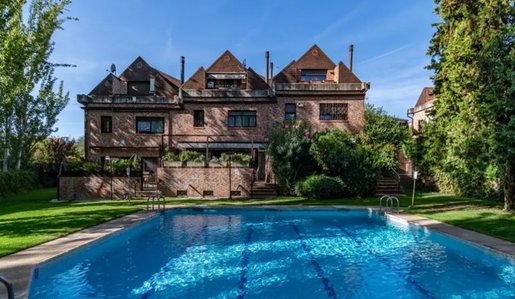
As for second homes, projects identified on Green Acres in Valencia show properties larger than average: demand often focuses on family houses or apartments of over 300 m², often located in residential neighbourhoods or on the outskirts. This search for space partly explains the gap between the city’s published average price per m² and the prices observed in this specific segment.
For a main residence project, this price level remains reasonable considering the services, infrastructure and economic dynamism of the city. For a second home, the trade-off is often between a large property slightly away from the centre and a more compact but ultra-central apartment.
Local budget and disparities depending on the area
While Valencia and Alicante are pushing prices up, the Valencian Community remains overall more affordable than other major Spanish regions. However, the precise choice of area will have a major impact on your budget.
Castellón: around €1,535/m², one of the most affordable in Spain
With an average price of around €1,535/m², the province of Castellón is among the most affordable in the country. It is an excellent gateway for:
- a first purchase in Spain with a limited budget;
- a rental investment with a low entry cost;
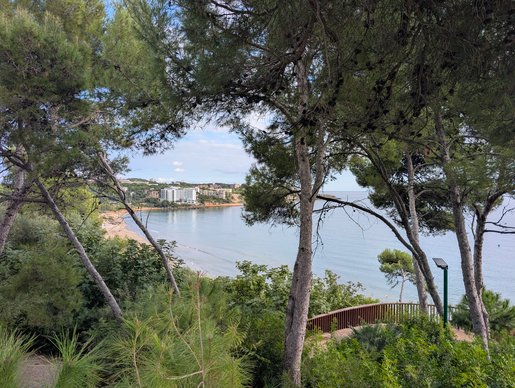
- a second home close to the sea, without the prices of the very famous major seaside resorts.
You can find there:
- apartments in medium-sized towns, with good local amenities;
- village houses in the hinterland, ideal for a quieter lifestyle project;
- properties close to the coast still relatively reasonably priced compared with neighbouring areas.
Data from Green Acres confirm this accessible positioning: foreign buyers interested in Castellón mainly target properties around €140,000 to €170,000, with surface areas ranging from 70 to 90 m², and a median price per m² close to €1,800 to €2,000.
The most common profiles are the French (22% of foreign requests), followed by Germans (12%) and Romanians (9%), making it a particularly popular area for European clients looking for sunshine at a contained price.
For buyers seeking a balance between sea, nature and a tight budget, Castellón clearly deserves consideration.
Alicante: sought-after coastline and strong foreign presence
Alicante, already known for its beaches and very well-connected airport, plays a key role in driving up prices along the Valencian coastline. While levels remain generally lower than on the Costa del Sol, pressure from international demand is strong.
According to data observed on property listings in Alicante, buyers interested in a second home favour comfortable surface areas, around 120 to 130 m², often in residences with a swimming pool or open views.
Foreign buyers are particularly present: 21% of requests come from France, 10% from the Netherlands and 8% from Germany, ahead of Belgium, Switzerland and the United States, all around 7%.
These buyers target mid-range to upper-mid-range properties: sufficiently upmarket to offer a terrace, natural light and modern amenities, but still competitive compared with major European cities. This demand structure explains the solidity of the market, particularly in seaside resorts and neighbourhoods close to the sea.
Premium coastal areas: sharp increase, active high-end segment
At the other end of the spectrum, certain coastal areas of the Valencian Community are clearly moving upmarket, with a marked increase in prices in the most sought-after segments.
We can observe in particular:
- a very active “premium” segment, driven by sea views, modern residences and prime locations;
- an international clientele seeking comfortable and well-equipped second homes;
- sometimes limited availability of properties, which sustains price growth.
In these areas, the market is highly segmented:
- mid-range: older apartments or those set slightly back from the seafront, at still affordable prices;
- high-end: new developments, villas, penthouses with terraces and high specifications, sold at a significant premium.
Demand data from Green Acres also show that, on the most sought-after coastlines, the median budgets of foreign buyers regularly exceed €250,000 to €300,000, with median prices per m² above €2,400 in the province of Alicante.
This differential illustrates the move upmarket of the coastline compared with the hinterland or more affordable provinces such as Castellón.
For a buyer, the key is to clearly define priorities:
- sea view and exceptional location, with a budget to match;
- compromise between location and price, by targeting areas slightly set back or accepting some renovation work;
- investment-focused strategy, concentrating on seasonal or long-term rental demand.
Investment outlook and uses 2026–2030
Between 2026 and 2030, the Valencian Community is expected to remain a flagship destination for foreign buyers, whether to prepare for retirement in the sun or to build a rental investment project.
Foreign demand: second homes and retirement
Demand from abroad plays a central role in price dynamics. Many European buyers are considering:
- a second home to enjoy the mild climate for part of the year;
- a gradual move with a view to retirement, first testing the local lifestyle;
- a mixed personal use / rental strategy, to cover part of the costs through rental income.
The main attractions include:
- a cost of living generally lower than in major cities in northern Europe;
- a well-developed transport network (airports, trains, motorways);
- a rich cultural and gastronomic offering, particularly in Valencia and Alicante.
Buyer profiles observed in foreign demand data confirm this trend: French, Dutch, German and Belgian buyers consistently top the search rankings in the provinces of Alicante and Castellón, with budgets high enough to support prices along the coast.
In Castellón, for example, the strong presence of French and German buyers with budgets around €140,000 to €170,000 illustrates a particularly dynamic “affordable sunshine” segment.
This sustained demand is likely to continue supporting prices, especially in well-connected areas close to the sea.
Potential for medium-term capital growth with urban development
Beyond personal use, many buyers wonder about the potential for their property to gain value by 2030. In the Valencian Community, several factors may support a gradual increase in values:
- urban development projects in and around major cities (neighbourhood regeneration, new infrastructure, green spaces);
- ongoing improvement of services (public transport, healthcare, education, cultural facilities);
- lasting tourist appeal, which strengthens seasonal rental markets.
The areas to watch most closely are often:
- neighbourhoods undergoing renovation, still below the city’s average prices;
- outlying areas well connected to the centre by public transport;
- small coastal or inland towns benefiting from infrastructure projects.
To maximise this potential, it is useful to:
- gather information on local urban development plans;
- visit at different times of day to get a good feel for the environment;
- compare the asking price with the average level in the area.
Dedicated support and up-to-date market data, such as those derived from buyer searches on Green Acres, can help identify areas where the price / surface area / foreign demand ratio remains most favourable, depending on your budget, risk tolerance and investment horizon.