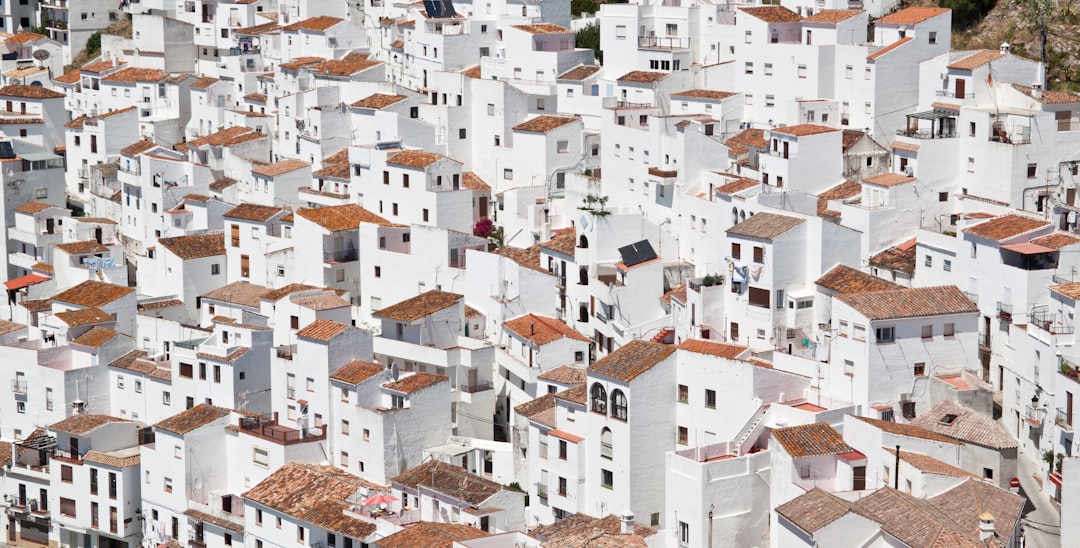
Tax Residency vs Property Ownership in Spain
Owning a property in Spain does not automatically make you a tax resident in the country. 🏠 You are considered a tax resident if you spend more than 183 days a year in Spain or officially declare residency. This distinction is crucial, as tax residents must declare all worldwide income, whereas non-resident property owners are only liable for taxes on Spanish-sourced income.
Additionally, non-residents are subject to an imputed income tax (a tax on the assumed rental income of the property) despite not renting it out.
Non-resident Tax Obligations in Spain
For non-resident property owners, the key taxation elements include:
- Annual non-resident property tax: This imputed income tax is calculated as roughly 1.1% of the property’s cadastral value. The tax rate is 19% for European Union citizens and rises to 24% for non-EU citizens.
- Rental income tax: Any rental income earned is taxed at 24% gross for non-EU citizens or 19% for EU citizens, without deductions.
- Capital gains tax: When selling a property, non-residents face capital gains tax generally set at a flat rate between 19% and 24%, depending on nationality.
These tax obligations make it important for non-residents to maintain good records and comply with Spanish tax filing requirements even if they do not live in Spain. 📄
Implications of Becoming a Resident in Spain
If you become a tax resident in Spain, your tax profile changes significantly. You must file Spanish income tax returns declaring your global income. While this might seem more complex, there are benefits:
- You may access deductions on rental income, potentially lowering your tax burden.
- The imputed income tax does not apply to your main residence.
Given these nuances, it’s highly advisable to consult a tax advisor before changing your residency status. Proper planning can help optimize your tax situation and avoid unexpected liabilities. 💡