Choosing Your Area in Galicia in 2026: Usage, Budget and Accessibility
Before deciding between Santiago de Compostela, Vigo or A Coruña, the most effective approach is to clarify your project.
In 2026, three criteria will dominate your decisions:
- usage: main residence, pied-à-terre, holiday rental or mixed use
- budget: purchase price, renovation work and recurring costs
- accessibility: travel time from France, local transport, everyday services
These parameters do not necessarily point to the same city. A family with children will not have the same priorities as a couple of remote workers or a pure investor.
In practice, year-round projects tend to concentrate around major university centres, while demand for second homes is focused on the coast and family houses with gardens. Search data observed on Green-acres confirms this duality between urban uses and coastal holiday homes.
Atlantic Coasts (Arousa, Muros-Noia): Holiday Homes and Lively Markets
If your dream is the sea, mild summers and seafood just a few steps from the market, the Galician rías are an ideal playground. 😊
The areas of Arousa or Muros-Noia offer an interesting compromise:
- natural setting: beaches, coves, coastal paths, natural parks
- atmosphere: fishing villages, small towns lively in summer, local festivals
- markets: ultra-fresh fish, local produce, affordable restaurants
For a holiday or second-home project, these areas are suitable if you are looking for:
- a place to disconnect, with a slower pace of life
- seasonal rental potential (July-August, long weekends, Holy Week)
- prices still lower than in the centres of large cities
Note: on the Atlantic coast in the province of Pontevedra (where Vigo and part of the rías are located), data from Green-acres shows that foreign buyers often target houses of 170 to 240 m², with median budgets between €375,000 and €500,000 depending on the country of origin.
The most common profiles come from Switzerland, the United Kingdom, the Netherlands, Germany, the United States and France, which helps to enliven the second-home market without turning it into an over-saturated Mediterranean-style coast.
The trade-offs to keep in mind:
- marked seasonality: very lively in summer, relatively quiet in winter
- more limited services: hospitals, major schools and train stations sometimes 30–60 minutes away
- dependence on the car in many villages
In practice, buying on these coasts is very well suited to:
- French buyers coming several times a year (by car or by plane + rental car)
- buyers ready to manage targeted seasonal rentals
- retirees who accept a more rural life, but close to the sea
University Cities: Liquidity and Services for Main Residences
Conversely, if you are looking for a year-round base or an easy-to-rent pied-à-terre, the Galician university cities are safe bets.
The three main hubs are:
- Santiago de Compostela: spiritual and university capital, international airport, very attractive historic centre
- Vigo: large port city, strong economic dynamism, employment hub and one of Europe’s main fishing ports
- A Coruña: active coastal city, good quality of life, numerous services and connections with the rest of Spain
What these cities offer a buyer:
- liquidity: resale generally easier than in rural areas
- full services: hospitals, universities, shops, culture, public transport
- diverse rental demand: students, young professionals, civil servants, urban tourists
For a main residence, Santiago, Vigo or A Coruña offer:
- easier integration (international communities, language schools)
- quick access to the rest of Galicia (train, bus, express roads)
- a more urban lifestyle, with everything within walking distance or by public transport
The choice between these three cities will then depend on your profile:
- Santiago de Compostela: ideal if you like history, heritage and a slightly calmer pace of life
- Vigo: suitable if you prioritise economic dynamism and proximity to Portugal
- A Coruña: attractive if you are looking for a seaside city with a strong local identity
In Vigo, for example, properties listed on Green-acres average around 210 m², which illustrates the appeal of large family homes or townhouses that can combine personal use and rental. This type of property is well suited to a year-round base, while remaining resellable to an international clientele.
Budgets and Entry Points
In 2026, Galicia remains structurally more affordable than Catalonia, Madrid or the Spanish Basque Country.
It is a region where you can still:
- buy an apartment in a large city without blowing your budget
- find a village house to renovate at a rock-bottom price
- aim for a property with sea view at a lower price than on other Iberian coasts
Regional Benchmark €1,473/m²; Possible Discounts in Rural Areas
At around €1,473/m² on average at regional level, Galicia still shows a reasonable reference price compared with other tourist areas of Spain.
However, this average hides significant disparities:
- in the centres of Santiago, Vigo or A Coruña, some well-located neighbourhoods are well above this benchmark
- in rural inland areas, discounts can be very substantial, especially for older houses in need of renovation
- in lesser-known coastal villages, you can still find family homes at very attractive prices
The types of properties where to look for interesting “entry points”:
- medium-sized apartments (60–80 m²) slightly away from the very city centres
- older houses to modernise in villages well connected to a large city
- homes needing a bit of cosmetic work, less sought-after than “turnkey” properties
Demand figures compiled by Green-acres for the province of A Coruña clearly illustrate the still accessible positioning of the market: foreign buyers targeting this province aim, on median, for properties around 200 m², with budgets ranging from around €125,000 for some German profiles up to nearly €300,000 for American or Dutch buyers.
The French, the leading group of foreign buyers, are around €207,000 for 200 m², confirming the image of a market of family homes at contained prices.
For a life-change project with a controlled budget, looking beyond the first 10–15 listings in the big cities can reveal opportunities in up-and-coming neighbourhoods.
Energy Renovation to Anticipate in Older Buildings (Local Aid)
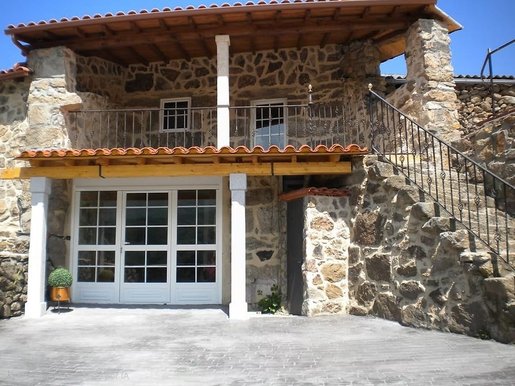
Galicia has a large stock of older properties, often in stone, with undeniable charm… but sometimes underperforming in terms of energy efficiency.
Before buying, it is wise to:
- analyse the property’s energy performance certificate (Spanish EPC)
- plan a renovation budget: insulation, windows, more efficient heating
- look into local and regional aid: grants for energy renovation, façade subsidies, municipal schemes
This work can:
- greatly increase comfort in winter (rain, humidity, Atlantic winds)
- reduce your heating costs
- boost the rental appeal of the property, especially for year-round lets
For a main residence or long-term rental project, integrating this technical aspect from the negotiation stage gives you real leverage:
- by requesting quotes before signing
- by negotiating the price based on the work required
- by planning renovations step by step to spread the budget
2026 Outlook: Tourism Rising, Residential Demand Stable
Looking ahead to 2026, Galicia is emerging as a region where tourism is growing, without tipping into the overheating seen on other Spanish coasts.
For a buyer, this means a relatively preserved environment, with:
- strong tourist appeal (Camino de Santiago routes, coastline, gastronomy)
- fairly stable residential demand, supported by the university cities
- less speculative risk than elsewhere, but targeted price increases in the most sought-after areas
Positive Hospitality and Tourism Indicators (INE/Xunta)
Visitor data (INE, Xunta de Galicia) shows a favourable trend:
- hotel overnight stays on the rise in the main cities
- extension of the tourist season in some coastal areas
- increase in international tourism, driven in particular by the Camino de Santiago
For a project including short-term rentals, this translates into:
- a potentially interesting occupancy rate in urban centres
- good visibility on peak season periods
- a diversified clientele: pilgrims, cultural tourists, nature lovers
The profiles of foreign buyers recorded in the Galician coastal provinces complement this picture: between A Coruña and Pontevedra, the presence of French, Swiss, British and American buyers helps to smooth demand throughout the year, with uses combining second homes, occasional remote work and retirees settled full-time.
However, it remains important to:
- check the local regulations on tourist rentals (permits, possible quotas)
- avoid basing your entire business model on the high season
- plan a more conservative income scenario to secure your project
Balancing Seasonality and Year-Round Use According to Buyer Profile
Each buyer profile will strike a different balance between seasonal use and year-round living:
- life change / main residence: priority to university cities and well-served areas (Santiago, Vigo, A Coruña, major coastal cities)
- family second home: villages on the Atlantic coast, Arousa and Muros-Noia areas, small towns with market, harbour and beach
- mixed investor (seasonal + medium term): well-located neighbourhoods in large cities, with easy access to transport and the historic centre
To find your personal balance, ask yourself:
- the number of weeks per year during which you will use the property
- your tolerance for rental management (cleaning, check-ins/check-outs, concierge services)
- how important it is (or not) to live in a lively neighbourhood all year round
A single city can, moreover, offer several faces:
- a very touristy neighbourhood, lively but more expensive
- a residential neighbourhood, quiet and more affordable
- an area in transition, with medium-term value potential
Trends observed on specialised portals such as Green-acres suggest that this diversity of profiles will become even more marked by 2026, with more hybrid projects combining personal use, seasonal remote work and rentals over a few targeted weeks.
The challenge in 2026 is therefore not only to “choose between Santiago, Vigo or A Coruña”, but to find the right compromise between personal use, potential return and everyday quality of life. 🌟