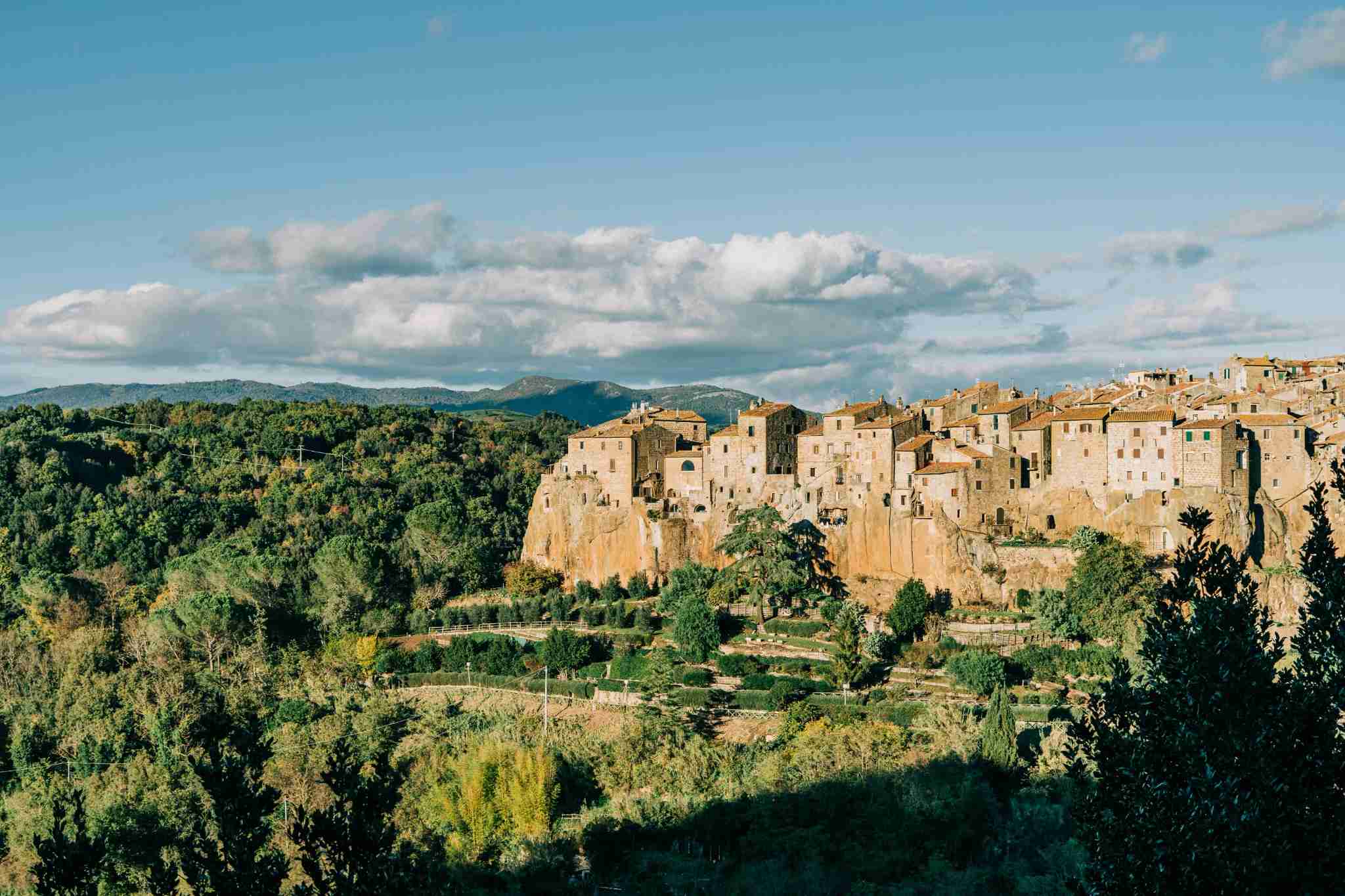
Living in Navarre: service capital and pre-Pyrenean valleys
Pamplona: mobility, schools, hospitals, university life
Pamplona concentrates most of the services of the chartered community and remains the heart of the Navarrese property market.
You will find:
- a dense network of urban and intercity buses, complemented by fast access to the motorway towards San Sebastián, Zaragoza and Madrid;
- a network of public and private schools appreciated by families, with a bilingual Spanish/Basque offer (and sometimes English);
- well-equipped hospitals and clinics, which make the city a regional healthcare hub;
- a dynamic university life (Public University of Navarre, University of Navarre) that keeps the city lively all year round.
For a main residence project or regular remote working, Pamplona appeals thanks to:
- its lively historic center, but more expensive and more touristy;
- its residential neighbourhoods with local shops;
- a feeling of a human-sized city, safe and rather quiet, except during the San Fermín festivities. 😄
Valley villages: scattered housing, community ties, gentler budgets
As you move away from Pamplona, the urban fabric gives way to scattered housing: small villages, hamlets, isolated houses in the pre-Pyrenean valleys.
Living in these valleys often means:
- benefiting from more affordable prices per square meter than in the Pamplona urban area;
- enjoying a very well-preserved natural environment (hiking, mountain biking, rivers, forests);
- joining communities where everyone knows each other and mutual help comes easily;
- accepting more road-based mobility, with sometimes limited public transport.
This setting is particularly suitable for:
- families looking for peace and quiet, a garden and a strong local anchoring;
- professionals working remotely who only need to go to Pamplona occasionally;
- buyers looking for a second home in the mountains, without the prices of highly touristic resorts.
2026 market: limited increases, month-by-month reading
Average price Sept. 2026: €1,779/m², +3.0% y/y, small -0.5% m/m correction
In September 2026, the average price in Navarre is around €1,779/m². Annual growth remains contained, with an increase of +3.0% year-on-year, far from the surges observed in other highly touristic Spanish regions.
Over one month, there is even a slight correction of -0.5%. This type of small monthly fluctuation does not mean a sudden reversal, but rather:
- a market reaching a plateau after several years of growth;
- sellers having to adjust their expectations;
- buyers regaining a bit more negotiating power.
For you, this means tracking the market month by month if you are actively searching, in order to:
- spot temporary decreases in certain segments (older apartments, less sought-after villages);
- identify properties that remain on the market and may be the subject of a serious offer below the asking price.
2025 was already among the most modest rises in Spain
Navarre did not experience the property boom seen on some Spanish coasts or in major metropolitan areas. As early as 2025, the region stood out for having one of the most modest price increases in the country.
This profile is confirmed in 2026:
- a positive trend, but without overheating;
- sound economic fundamentals, without speculative frenzy;
- an attractiveness driven more by quality of life than by the search for quick capital gains.
On the ground, data from the Green Acres platform confirm this calm tone: the province does not show massive flows of foreign investors, which limits bidding wars and direct competition with local buyers.
For a life-change project, this environment is rather reassuring:
- less risk of buying at the peak of a bubble;
- more time to visit, compare, negotiate;
- a value outlook that is mainly patrimonial and long-term.
Villages and thoughtful tourism
Ochagavía, Ujué, Puente la Reina: historic routes and rural accommodation
Navarre is home to several emblematic villages, at the crossroads of history, culture and nature tourism.
Among them:
- Ochagavía, in the heart of the Salazar valley, with its stone houses, bridges and mountain atmosphere;
- Ujué, a hilltop village famous for its sanctuary and medieval streets, with beautiful views over the surroundings;
- Puente la Reina, a major stage on the Way of St. James, known for its Romanesque bridge and pilgrim accommodation.
In this last town, listings published on Green Acres show an intermediate positioning: already significant budgets for character properties, but still below the levels reached in very saturated destinations, leaving room for well-designed family or tourism projects.
These villages are developing a range of rural accommodation: gîtes, guesthouses, small boutique hotels. They appeal to:
- project holders looking for small-scale tourism;
- families wanting a holiday home with the possibility of renting it out for a few weeks a year;
- buyers sensitive to heritage and local identity. 🌿
Controlled influx, quality of supply rather than volume
Unlike some coastal areas, Navarre is focusing on thoughtful tourism. The objective is clear:
- to preserve landscapes and villages;
- to promote local culture (gastronomy, festivals, crafts);
- to avoid excessive dependence on seasonal rentals.
For the buyer, this translates into:
- a market less exposed to the ups and downs of mass tourism;
- possible seasonal rental yields, but often more modest and more stable;
- high expectations regarding renovation quality (materials, landscape integration, energy comfort).
If you are aiming for a rural accommodation project, you will therefore need to prioritise:
- careful renovation that respects traditional architecture;
- a clear positioning (families, hikers, cyclists, pilgrims, nomadic remote workers);
- a business model that remains viable even with reasonable occupancy rates, without relying on an explosion in demand.
Where to buy according to your profile
Main residence: Pamplona urban area (Iturrama, Rochapea districts on the rise)
For a main residence, the Pamplona urban area remains the safest bet, with several districts to watch.
Among them:
- Iturrama, a residential neighbourhood appreciated for:
- its proximity to the city centre and the university;
- its shops, bars and services within walking distance;
- a solid level of rental demand from students and families.
- Rochapea, undergoing gradual transformation, with:
- a varied housing stock (old, recent);
- prices still competitive compared with some more central areas;
- continuous improvement of services and public spaces.
Other districts or municipalities in the first ring around the city can also be suitable, depending on your priorities:
- fast access to main roads for business travel;
- proximity to schools or university life;
- the search for a quieter environment on the edge of the city.
In these areas, demand remains strong, with:
- good liquidity on resale;
- sometimes firmer prices, especially for well-located and well-renovated properties;
- a premium for homes offering a balcony, terrace or nearby green spaces.
Second home: valley towns, long-term potential
For a second home, the focus shifts to the valley towns and small historic rural centres.
They often offer:
- village houses with character (exposed stone, beams, patio, garden);
- more affordable budgets than in the city, even taking into account renovation work;
- a slower pace of life, particularly appreciated for relaxing breaks.
In terms of heritage, these small towns offer long-term potential:
- growing attractiveness of remote work, making it possible to spend more time there;
- renewed interest in rural life and outdoor activities;
- scarcity of period properties that have been properly renovated.
Field data, whether from local agencies or from portals specialising in second homes, all point in the same direction: well-restored properties sell faster and at higher prices, while houses requiring major renovation can stay on the market longer, waiting for a buyer ready to embark on a major project.
To secure your project, remember to:
- test life there in several seasons (including winter);
- check access to essential services (healthcare, shops, high-speed internet);
- anticipate a long investment horizon, without short-term speculation.
Risks and opportunities
Rental market mainly residential; moderate yield
Navarre’s rental market remains mainly residential, concentrated in Pamplona and its urban area.
In practice:
- rental demand comes mainly from students, young professionals and local families;
- rents are constrained by local purchasing power, which limits rapid increases;
- gross yields are generally moderate, closer to a secure investment than a speculative one.
For an investor, it is therefore important to:
- target areas with structurally strong demand (near universities, hospitals, transport);
- calibrate the purchase price and renovation work to maintain coherent profitability;
- avoid basing the project on a scenario of strong rent increases.
Heritage value of historic centres, premium on energy efficiency
The historic centres of Pamplona and the valley towns concentrate a significant part of the region’s heritage value.
There you will find:
- old buildings to be restored, full of charm but sometimes requiring major work;
- houses already renovated that command a premium, especially when they combine character and modern comfort;
- a strong local attachment to traditional architecture.
Two factors in particular push values upwards:
- the quality of renovation (respect for the existing building, choice of materials);
- energy efficiency: insulation, efficient heating, double glazing, renewable energy.
In a context of rising energy costs and increasingly demanding regulations, properties with a good energy rating:
- are easier to rent out and at higher prices;
- resell better;
- offer tangible everyday comfort.
Investing today in ambitious renovation can therefore create a real value premium in the medium and long term, while improving your quality of life. ✨