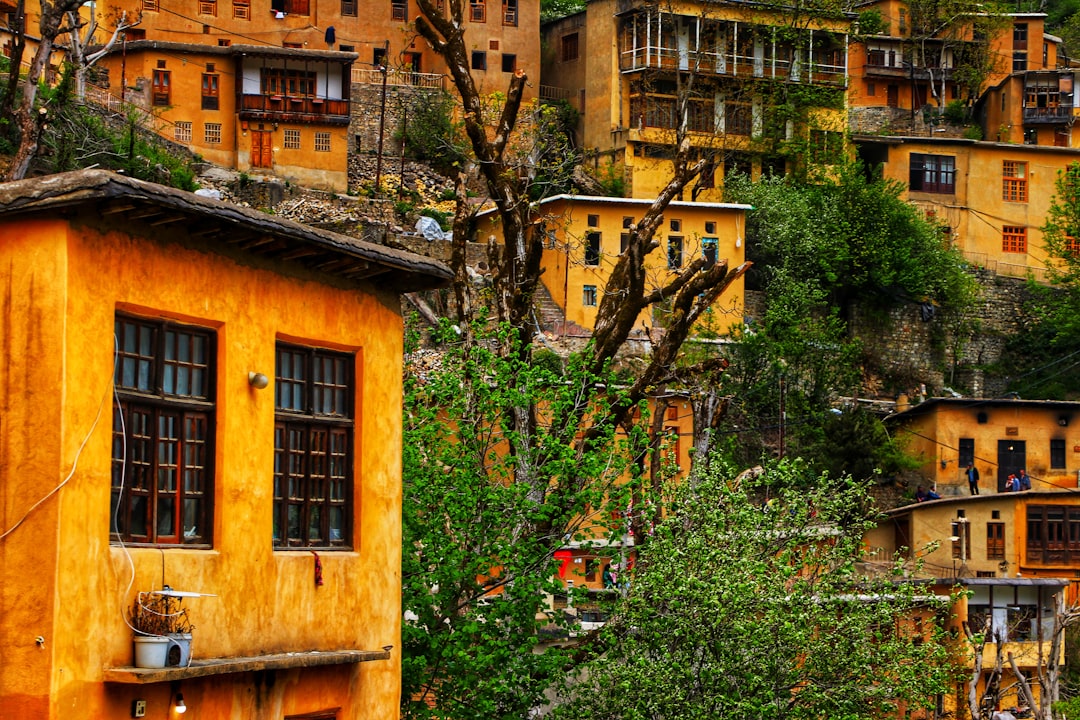
1. Coasts and islands
Greece is also known for its endless coastlines and thousands of islands scattered throughout the Aegean and Ionian Seas. With more than 13,000 kilometers of coastline, Greece has some of the most beautiful beaches in the world, ranging from secret coves to expansive golden sandy beaches.
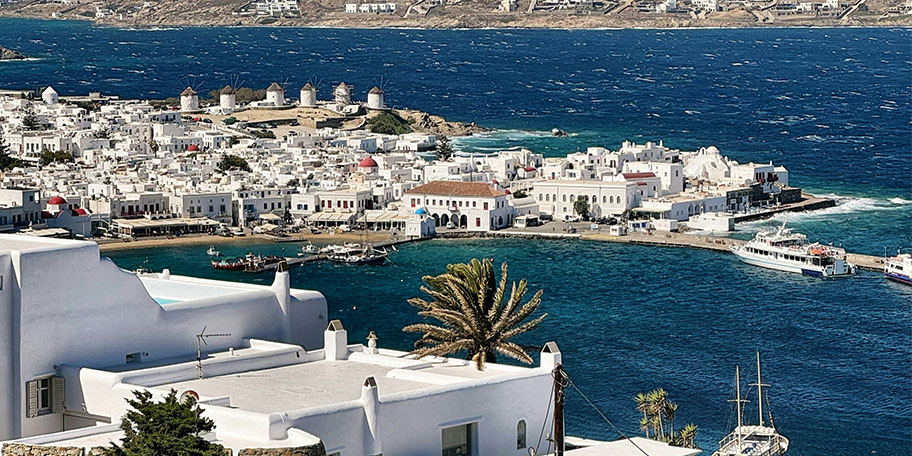
The beaches of the Cyclades
The Cyclades, a group of islands in the heart of the Aegean Sea, are renowned for their turquoise waters and dreamy beaches. Islands such as Santorini, Mykonos, or Paros are surrounded by sandy or pebble beaches, often topped by white cliffs. These beaches are ideal for swimming, scuba diving, and water sports.
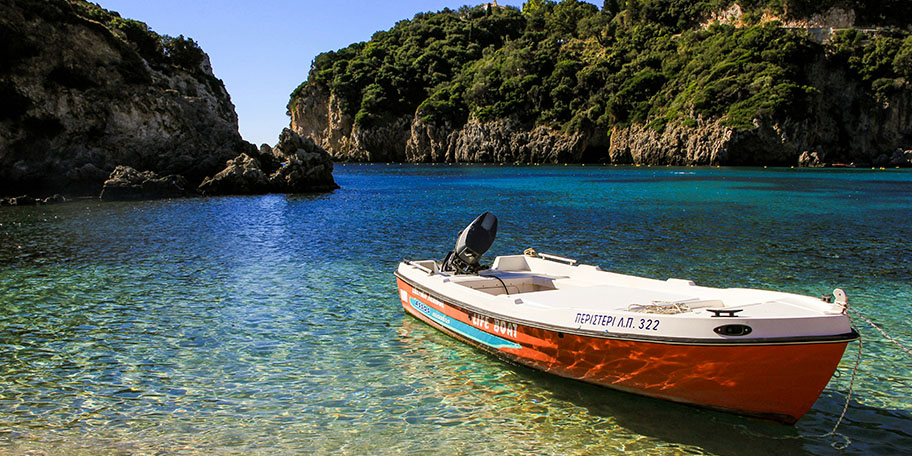
The beaches of the Ionian Sea
To the west of the mainland, the Ionian islands, such as Corfu, Zakynthos or Kefalonia, stand out for their beaches with crystal clear waters and green landscapes. The famous cliffs of Navagio Beach in Zakynthos, with its iconic shipwreck, are among the most photographed sites in Greece. These islands, often covered with olive and cypress trees, offer a striking contrast to the bright blue of the sea.
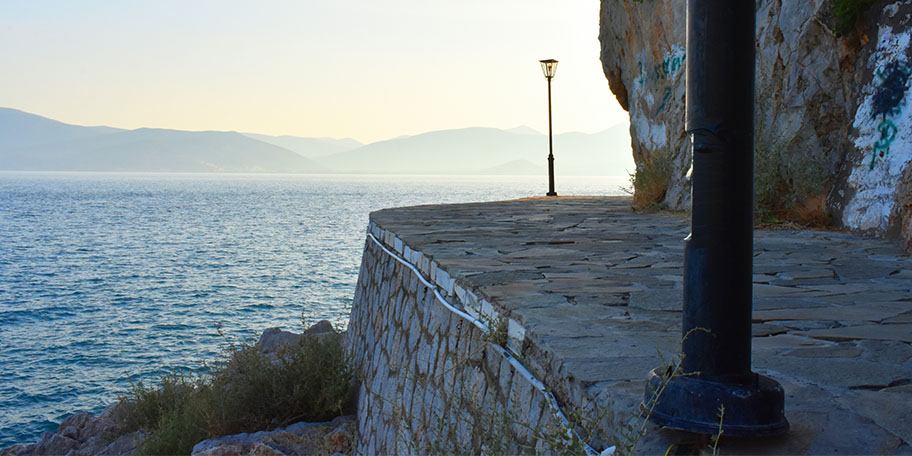
The Peloponnese coasts
The Peloponnese, which forms a large peninsula south of the continent, also offers a wide range of beautiful beaches, less crowded than those of the islands. In cities such as Nafplio or Gythio, the beaches are bordered by mountains, offering a harmonious landscape between land and sea.
2. The mountains
Although Greece is often associated with the sea, much of the country is mountainous. The mountain ranges dominate the landscape and offer spectacular panoramas.
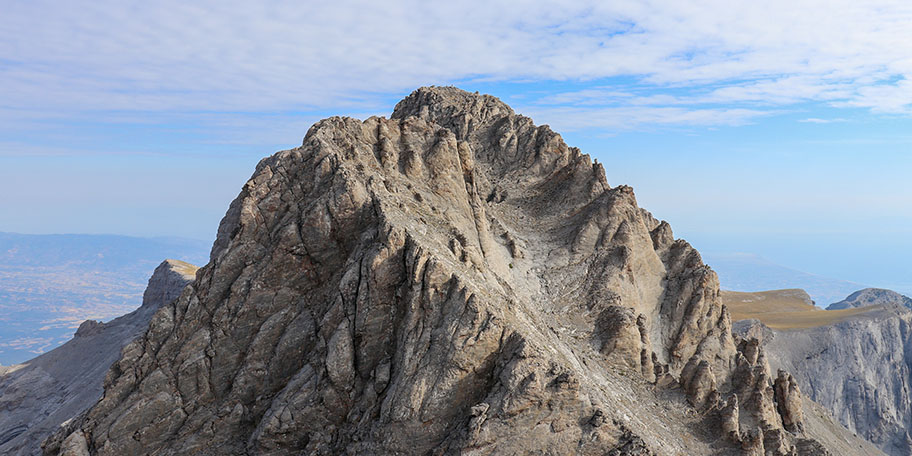
Mount Olympus
Mount Olympus is arguably the most famous mountain in Greece, known in mythology as the abode of the gods. With its summit culminating at 2,917 meters, it is the highest mountain range in the country. Its two hiking trails attract nature lovers from all over the world, while its landscapes, combining dense forests and panoramic views, impress with their grandeur.
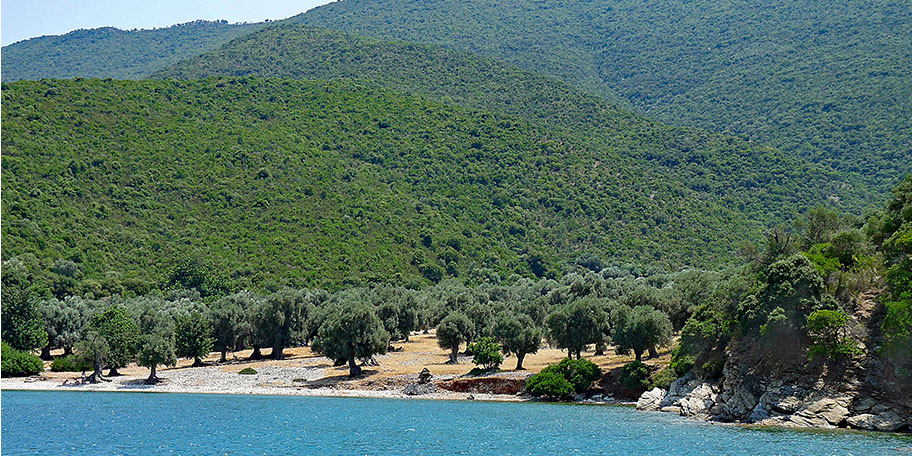
The Mountains of Pelion
Located in the region of Thessaly, the Pelion Mountains combine mountains and sea. It is a unique area where many picturesque stone villages are perched on the mountainside, offering stunning views of the Pagasetic Gulf. In winter, Pelion attracts winter sports enthusiasts with its ski resorts, while in summer, its wild beaches and shady trails appeal to hikers.
Meteora
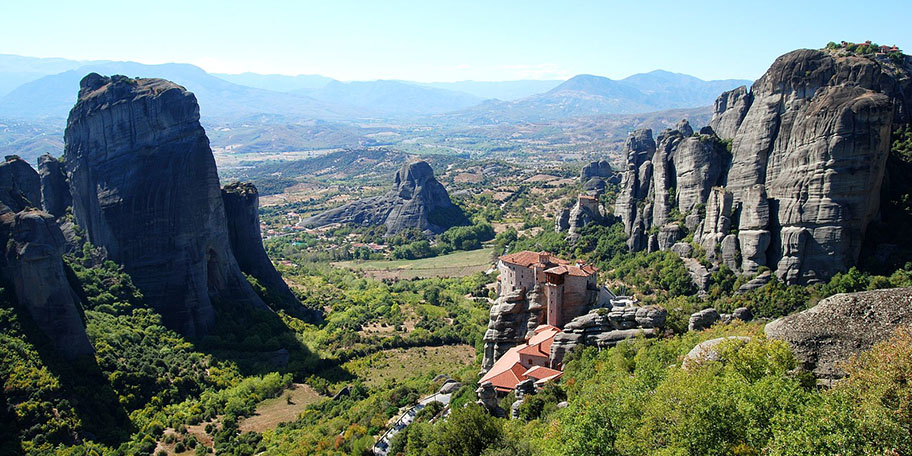
Meteora is another example of Greece’s spectacular mountainous topography. These unique rock formations, located on the Thessaly plain, are crowned with monasteries perched atop steep rock pillars. This site is both a spiritual treasure and a remarkable geological feat, attracting thousands of visitors each year who marvel at this natural wonder.
3. Lakes, rivers and gorges
In addition to its mountains and beaches, Greece is dotted with spectacular lakes, rivers and gorges, which add to the variety of its natural landscapes.
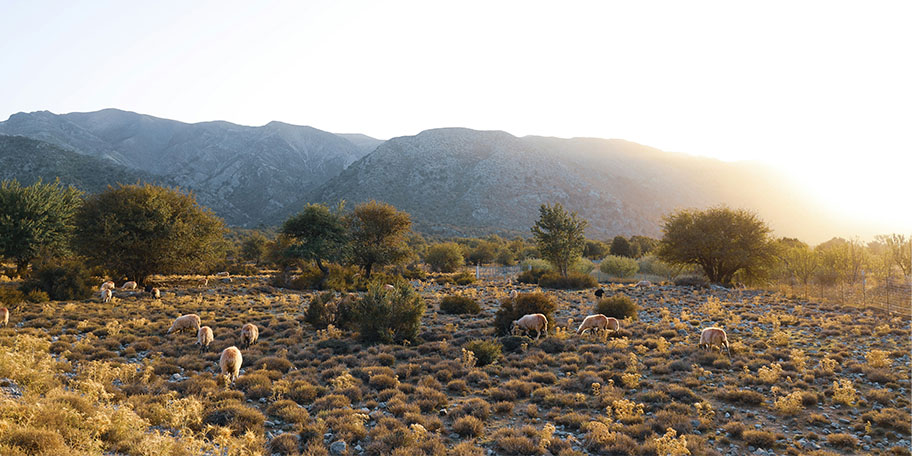
The Samaria Gorge
The Samaria Gorge, located in Crete, is the longest gorge in Europe, stretching over 16 kilometers. It is a true paradise for hikers, with steep cliffs, crystal clear rivers and rich wildlife, including the wild Cretan goats, the Kri-Kri.
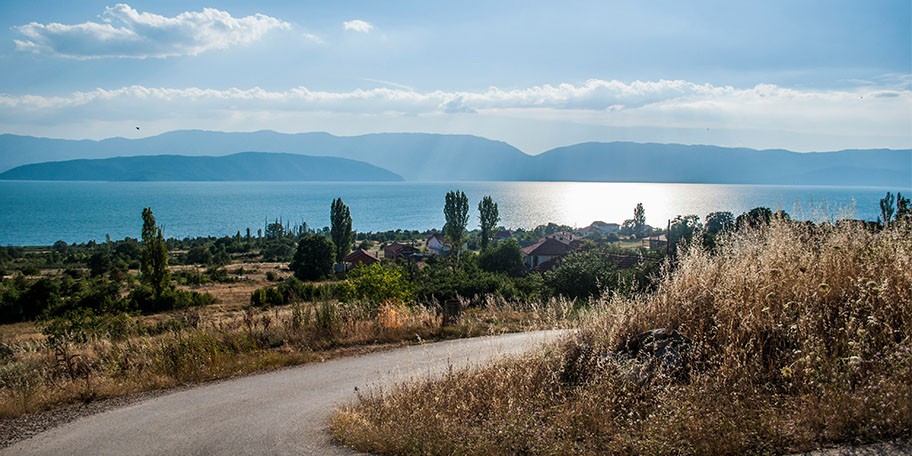
Prespa Lake
Located on the border between Greece, Albania and North Macedonia, Prespa Lake is one of the largest and most beautiful lakes in Greece. This secluded site is a haven for migratory birds, and its tranquil waters and surrounding mountains make it an ideal retreat for nature lovers.
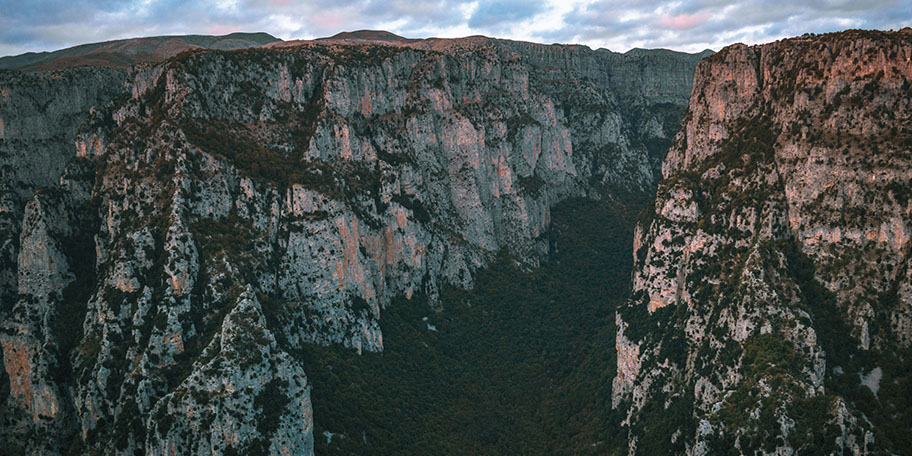
Vikos Gorge
Vikos Gorge in the Epirus region is one of Greece’s most impressive natural wonders. They are part of the Vikos-Aoos National Park and are reputed to be the deepest gorges in the world in relation to their width. This spectacular natural site attracts hikers, photographers, and adventurers from all over the world.
5. Forests and nature reserves
Greece also has dense forests and nature reserves, mainly in the north of the country, which add a valuable ecological dimension to its natural heritage.
The Dadia Forest
The Dadia Nature Reserve, located in Thrace, is a protected forest that is home to a variety of wildlife, including rare species of vultures and eagles. It is a destination of choice for birding and nature enthusiasts.
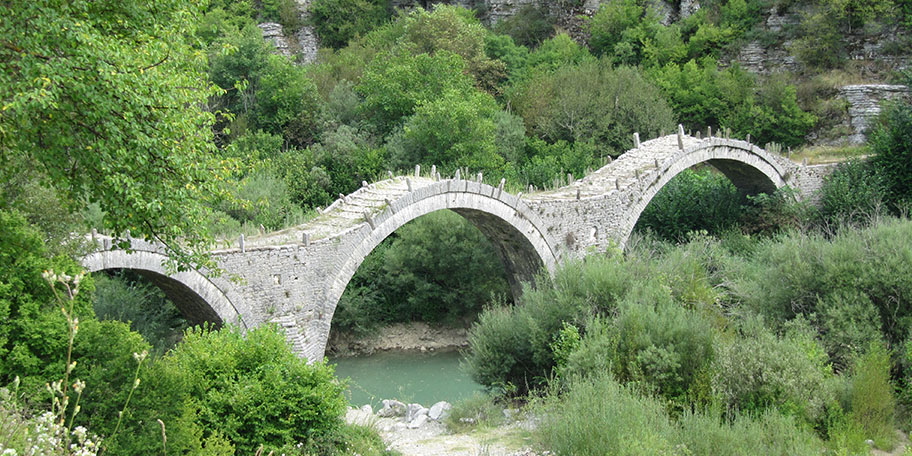
Pindus National Park
In the region of Epirus, Pindus National Park is a haven for wildlife, with pine forests, deep valleys and wild rivers. It is an ideal region for hiking, with enchanting landscapes and traditional villages.
Conclusion: the best places to experience the diversity of Greek landscapes
If you’re looking to explore Greece’s natural diversity or settle down to enjoy its multiple environments, here are some suggestions:
- Crete, with its mountains, gorges and beaches, offers a sampling of all that Greece has to offer in terms of varied landscapes.
- The Peloponnese combines beaches, mountains and plains, perfect for those who want a diverse nature while remaining connected to the country’s historical riches.
- The islands of the Cyclades, especially Naxos and Paros, offer both picturesque mountains and sublime beaches, while offering a peaceful island atmosphere.
- Epirus and the Vikos Gorge are ideal for adventurers in search of wild mountainous landscapes and authentic villages.
In short, Greece is a real natural gem where each region offers a unique experience. Whether you are drawn to the sea, the mountains or the fertile valleys, there is a Greek landscape waiting for you, ready to amaze you.