Retirement in Greece: Pros and Cons
Greece is becoming a popular destination for retirees looking for a sweeter, sunnier life. Here’s why so many retirees choose Greece:
The benefits
Affordable cost of living: Compared to other European countries, Greece offers excellent value for money, allowing retirees to enjoy their pension to the fullest. Whether for restaurants, household services or healthcare, the cost remains lower than in northern Europe.
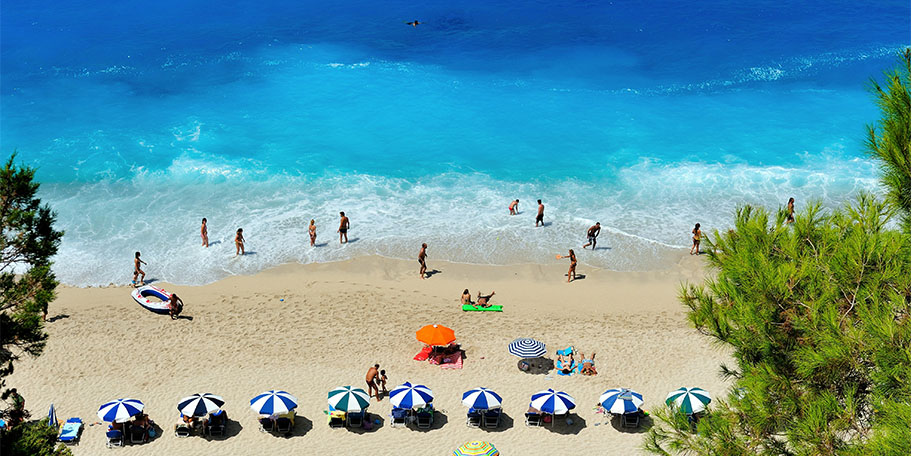
A pleasant Mediterranean climate: With mild winters that almost never drop below 10°C and hot, sunny summers, Greece offers an ideal climate to enjoy the sea and outdoor activities all year round.
Facilitated integration: Greeks are renowned for their hospitality and friendliness, which makes integration easier for expatriates. Additionally, numerous expatriate communities exist, particularly on the islands and in Athens, where associations help foster connections and ease the integration process.
Rich and healthy gastronomy: Greek cuisine, featuring dishes made with olive oil, fresh vegetables, fish, and seafood, is celebrated for its health benefits. You’ll also discover iconic dishes like moussaka, souvlaki, and the famous Greek pastries.
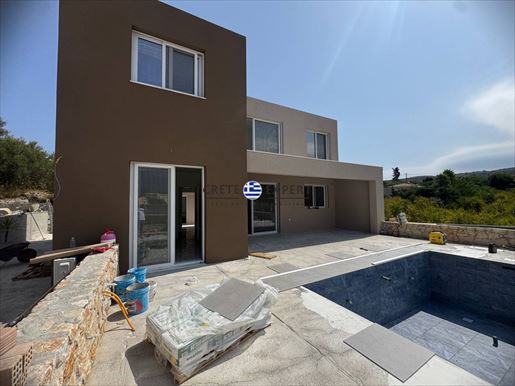
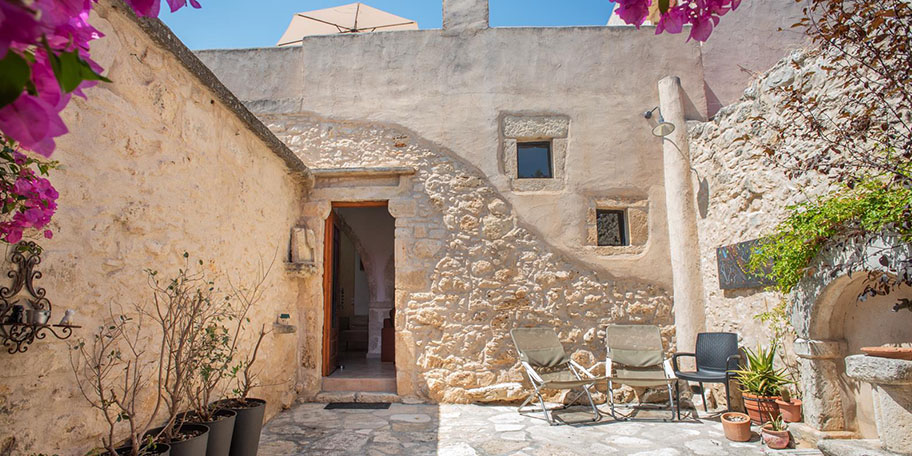
Diverse real estate options: Whether you’re looking for a traditional house on a Greek island, a modern apartment with a sea view, or a villa inland, Greece offers a wide range of real estate options.
Tax advantages: Greece allows French retirees receiving private sector pensions to benefit from a favorable flat tax rate of 7% for 15 years. To qualify, you must be a tax resident in Greece for less than five years. Moreover, France-Greece agreements ensure there is no double taxation.
The disadvantages
Language barrier: While many Greeks speak English, especially in tourist areas, the Greek language can be a challenge for those settling in more remote regions. It is advisable to learn some basics to ease your integration.
Administrative procedures: As in many countries, the processes for settling in Greece can be complex and time-consuming. It is recommended to seek assistance from experts or agencies specializing in real estate and expatriate residence.
Public healthcare system: The public healthcare system is not always highly efficient. For medical care, you may prefer the private system, which is less crowded and more efficient but not reimbursed.
Procedures for moving to Greece
The conditions for moving to Greece
Whether you are European or not, moving to Greece is not very complicated. All you need to do is provide some fairly standard supporting documents, such as:
- Proof of stable income: The Greek authorities require non-EU residents to prove that they have sufficient income to support themselves.
- Health insurance: Non-EU citizens must take out private health insurance to access healthcare in Greece. Europeans can use the European Health Insurance Card, but it is recommended to have additional coverage.
- Proof of housing: You must prove that you have a home in Greece, whether by purchase or rental.
- A clean criminal record: An extract from the clean criminal record is necessary for certain administrative procedures.
Administrative steps
In order to obtain your residency, you will need to fill out some documents, such as:
- AFM number: The « AFM » is the Greek equivalent of the tax number. It is indispensable for any financial transaction in Greece, whether it is opening a bank account, renting or buying real estate.
- A residence permit: If you plan to stay for more than three months, it is necessary to apply for a residence permit from the local authorities. EU citizens benefit from simplified procedures compared to non-Europeans.
Receiving your pension abroad
To receive your retirement pension in Greece, there are several steps to take:
- Inform your pension fund: Notify your national pension institution of your change of address (CNAV for the France, Deutsche Rentenversicherung for Germany, Sociale Verzekeringsbank for the Netherlands, etc.).
- Provide your Greek bank details: You will need to open a local bank account to receive your pensions directly.
- Send an annual life certificate: A document certifying that you are still alive must be sent to the authorities in your home country every year.
- Reporting your taxes: Depending on the tax treaties between your home country and Greece, you may need to declare your income in both countries. Consult a tax expert to avoid double taxation.
What are the areas popular with retirees? strangers?
The Greek Islands
The islands are extremely popular with retirees for their natural beauty, calmness, and proximity to the sea. Here are some particularly popular islands:
- Crete:
- Why?: It is the largest island in Greece, offering both modern infrastructure and traditional life. Cities like Chania or Rethymno are particularly sought after because they allow you to enjoy the beach, a mild climate, and a well-established expat community.
- Corfu:
- Why?: Located in the Ionian Sea, Corfu is appreciated for its green landscapes, picturesque villages, and pleasant climate. It offers a relaxed living environment with a relatively low cost of living.
- Rhodes:
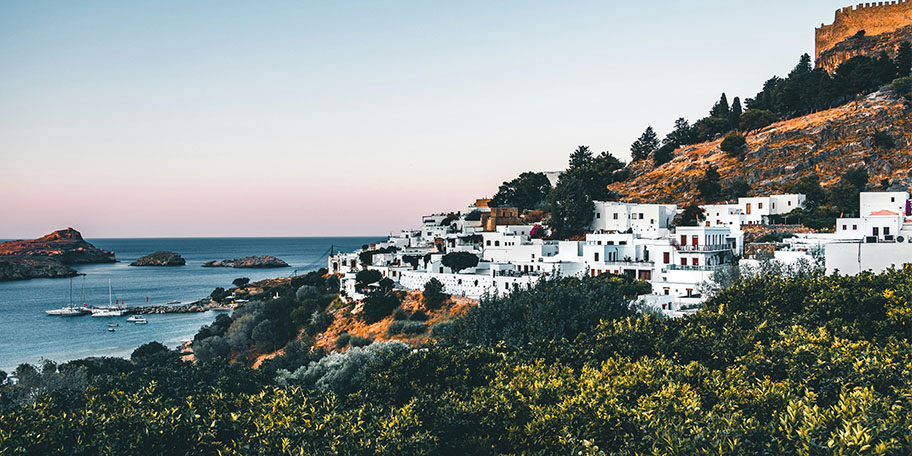
- Why?: Rhodes is a large island that combines history, culture and beautiful beaches. Retirees are attracted by its large real estate offer and tourism-friendly infrastructure, making it possible to live in a well-connected and modern island.
- Paros and Naxos:
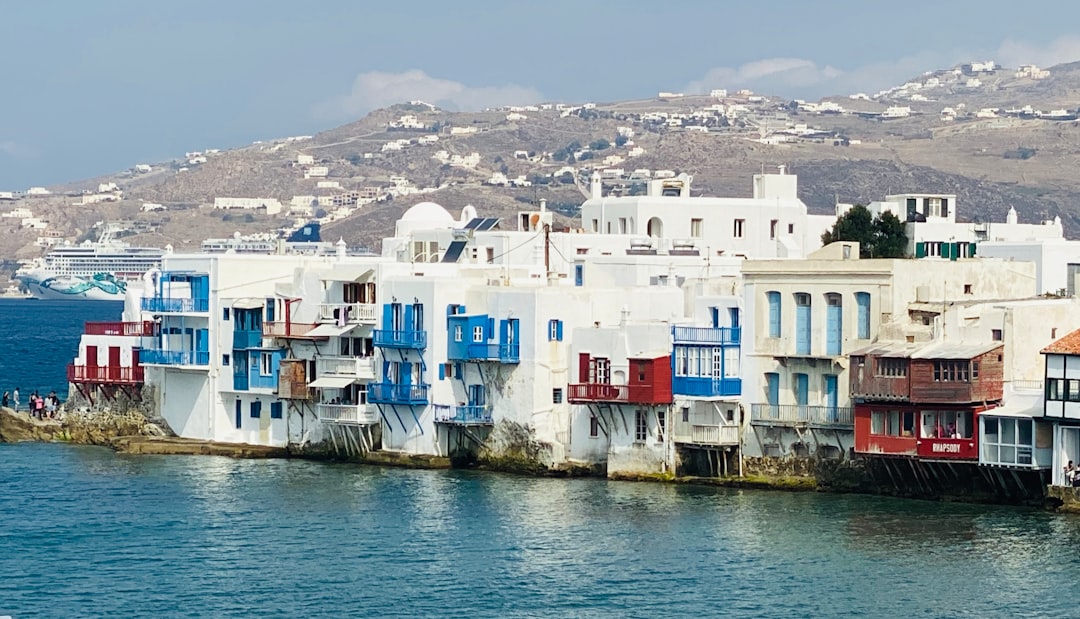
- Why?: These Cycladic islands are becoming increasingly popular with retirees looking for a compromise between traditional island life and modern infrastructure. They are less crowded than Mykonos or Santorini, but still accessible.
Continental regions
Apart from the islands, some areas of the Greek mainland also attract a large number of retirees due to their affordability and lower cost of living.
- The Peloponnese:
- Why?: The Peloponnese offers a quieter living environment than the big cities. Cities like Nafplio and Kalamata attract retirees for their proximity to the sea, their rich history, and their affordable cost of living. The Peloponnese is also relatively close to Athens, making it possible to enjoy the advantages of the capital while living in a more rural setting.
- Athens and its outskirts:
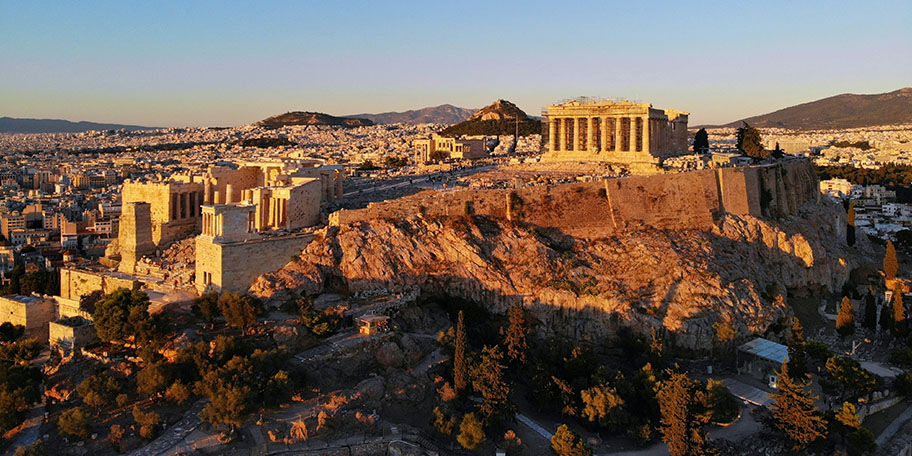
- Why?: Although Athens is a busy city, some retirees choose to settle in quieter areas, especially along the Athenian Riviera (Glyfada, Vouliagmeni), where they can enjoy a seaside life while having access to quality healthcare and modern infrastructure.
Other areas
- Thessaloniki:
- Why?: This large city in northern Greece offers a dynamic living environment, but at a lower cost than Athens. Thessaloniki attracts retirees looking for a big city with a more relaxed vibe and more affordable property prices.
- The Pelion region:
- Why?: This mountainous, coastal region, with its picturesque villages and spectacular views, attracts retirees looking to escape city life while remaining relatively close to the town of Volos and its amenities.
Conclusion
Retiring in Greece offers an exceptional living environment, combining natural beauty, thousand-year-old culture and a gentle way of life. Whether you choose the beaches of Crete, the hustle and bustle of Athens or the tranquility of the Ionian Islands, Greece is a destination of choice for retirees looking to fully enjoy this new stage of life. The favourable tax system, the enchanting landscapes and the friendliness of its inhabitants make Greece a haven for those who want a sunny and fulfilling retirement.