English Prevalence
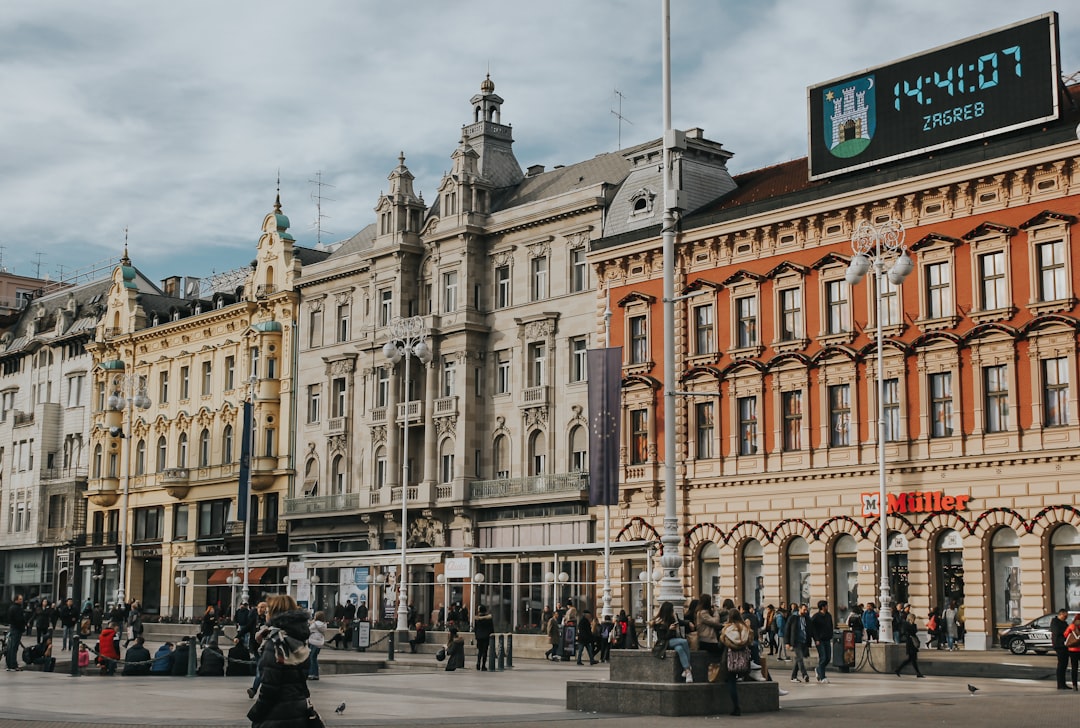
The good news for expats is that many Croatians, especially those under 40 and in tourist-friendly areas, speak English quite well. In the major cities such as Zagreb and coastal towns like Split, properties available and Dubrovnik, you can usually carry out daily transactions — from ordering food at restaurants to shopping and even visiting many government offices — in English.
This means that for Americans, Brits, and other English speakers, basic living without Croatian is quite feasible. 😊
Situations Requiring Croatian
However, when it comes to more complex tasks, Croatian becomes important. Dealing with older officials in smaller towns can often require Croatian, as not all civil servants or doctors speak English. Legal documents, official papers, and utility bills are typically in Croatian, so understanding or translating them is necessary.
For appointments at the notary, town hall, or other official venues, you may need to bring a translator to assist you. These challenges are common but manageable with the right support. 📄
Learning Basic Croatian
Learning some Croatian phrases can significantly improve your day-to-day interactions. Basic greetings, numbers, and polite expressions such as « hvala » (thank you) enhance communication and show respect toward locals. Many expats start with beginner classes or language learning apps to build a foundation.
Croatian is a Slavic language and may be challenging at first, but picking up the basics often leads to goodwill and makes integration easier. 👍
Language Schools and Resources in Croatia
Cities like Zagreb, Dubrovnik, real estate options, Split, and Dubrovnik offer language schools and university programs that cater to foreigners wishing to learn Croatian. For instance, the Croaticum program in Zagreb is well recognized.
Additionally, there are online courses and informal meet-up groups where expats and locals practice Croatian together in a friendly environment. These resources are excellent ways to build confidence and language skills gradually. 📚
Getting by Day-to-Day in Croatia
Until you feel more comfortable with Croatian, don’t hesitate to ask if someone speaks English by saying, « Govorite li engleski? » Younger generations are often eager to help. Carrying a translation app on your phone is also a handy way to understand menus or signs when in doubt.
Over time, even if you do not become fluent, you will naturally acquire enough Croatian to feel connected and at ease in your community. 🏡