Why choose Abruzzo in 2026? ✨
An exceptional natural setting: 36% of the territory is protected.
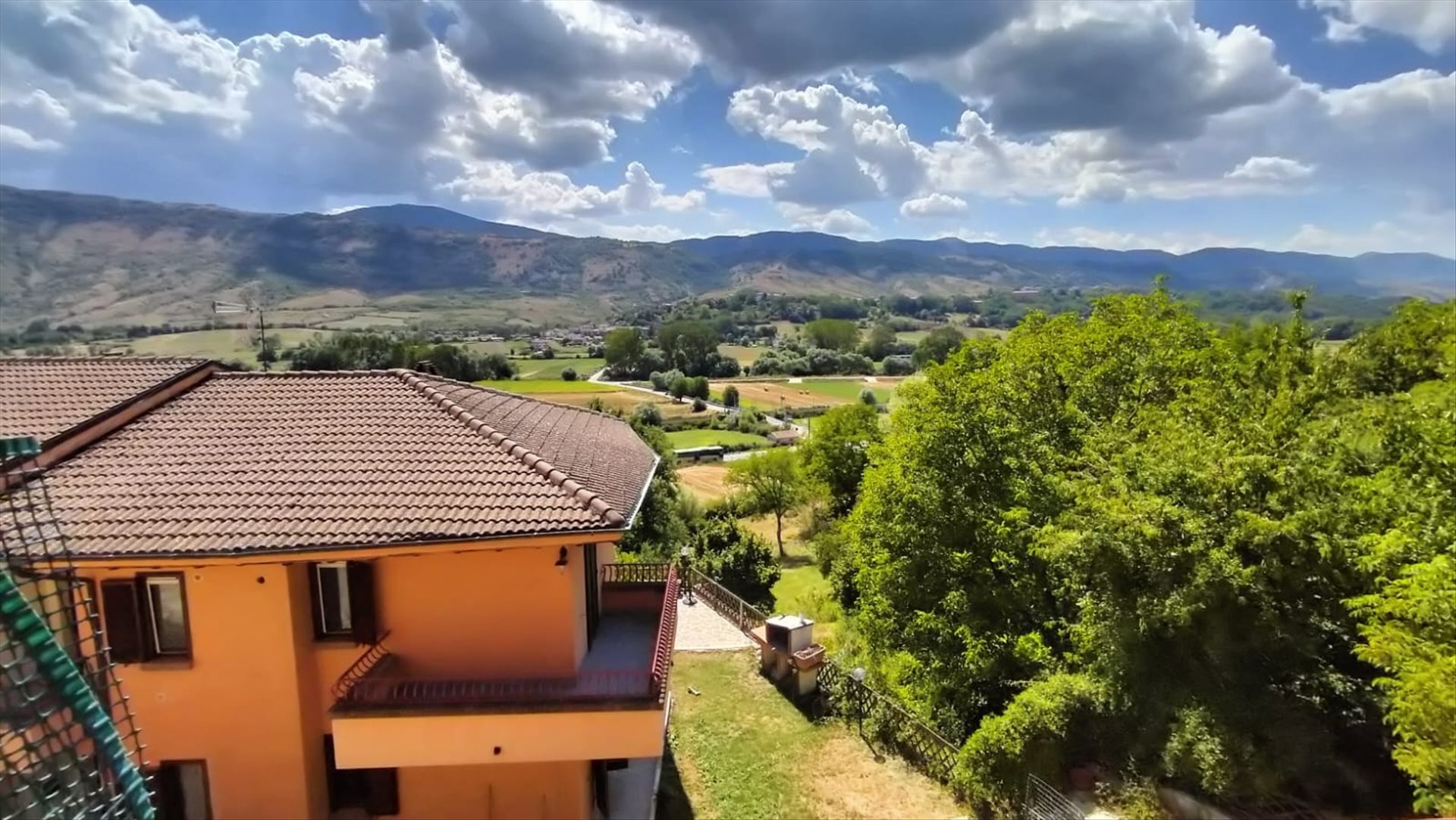
Three national parks (Gran Sasso e Monti della Laga, Majella, Abruzzo-Lazio-Molise) and numerous reserves offer outstanding biodiversity: chamois, Marsican bear, ancient forests, high plateaus and lakes. Hiking runs from spring to autumn, then skiing takes over in winter.
- Varied landscapes less than an hour apart.
- Marked trail networks, refuges, and year-round outdoor activities.
- Less tourist pressure than in other Italian regions.
Low population density, peace guaranteed: about 117 inhabitants/km² vs ~195 in Italy.
Low density results in peaceful villages, less traffic, and a laid-back pace. Ideal for remote working, raising a family, or enjoying an active retirement.
- Authentic villages, human-sized communities.
- More affordable real estate than in neighboring regions.
- Fewer nuisances, more space in daily life.
Quality of life in Abruzzo 🌿
Adriatic coast and winter resorts: sea + Apennines duality in one region.
The coastline (Pescara, Ortona, Vasto) offers beaches, marinas and the Costa dei Trabocchi, famous for its old fishing piers. Inland, resorts like Roccaraso, Ovindoli, or Campo Felice offer alpine skiing, cross-country and snowshoeing.
Concrete example: demand for second homes in mountain resorts is higher in value than by the sea. In Campo Felice, listings viewed on Green-acres show a higher average price per square meter, reflecting the premium for access to slopes and mountain services.
- Sea in summer, snow in winter: four-season leisure.
- Cycling routes and greenways, including conversions of old rail lines.
- Well-being: spas, thermal baths, clean air and wide open spaces.
Mediterranean climate on the coast, submontane inland.
On the coast: sunny summers, mild winters. In the hinterland and at altitude, winters are colder with regular snowfall.
- Choose your microclimate to suit your lifestyle.
- Stone houses in the mountains: consider insulation and heating.
- On the coast: prioritize ventilation and solar protection.
Social life, culture and Abruzzese traditions 🎭
Local gastronomy, mountain villages, national park heritage.
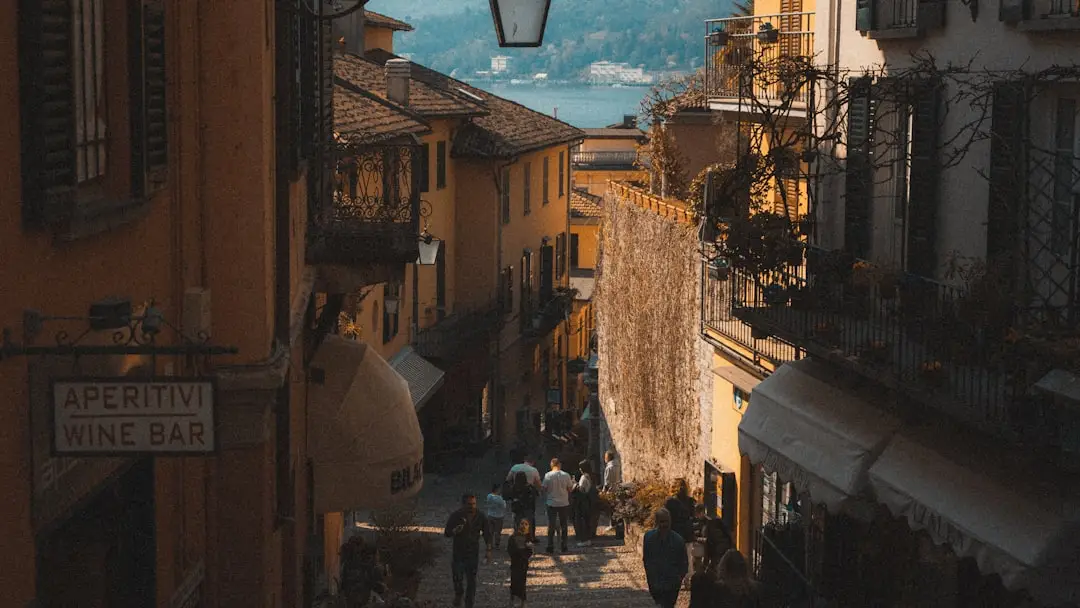
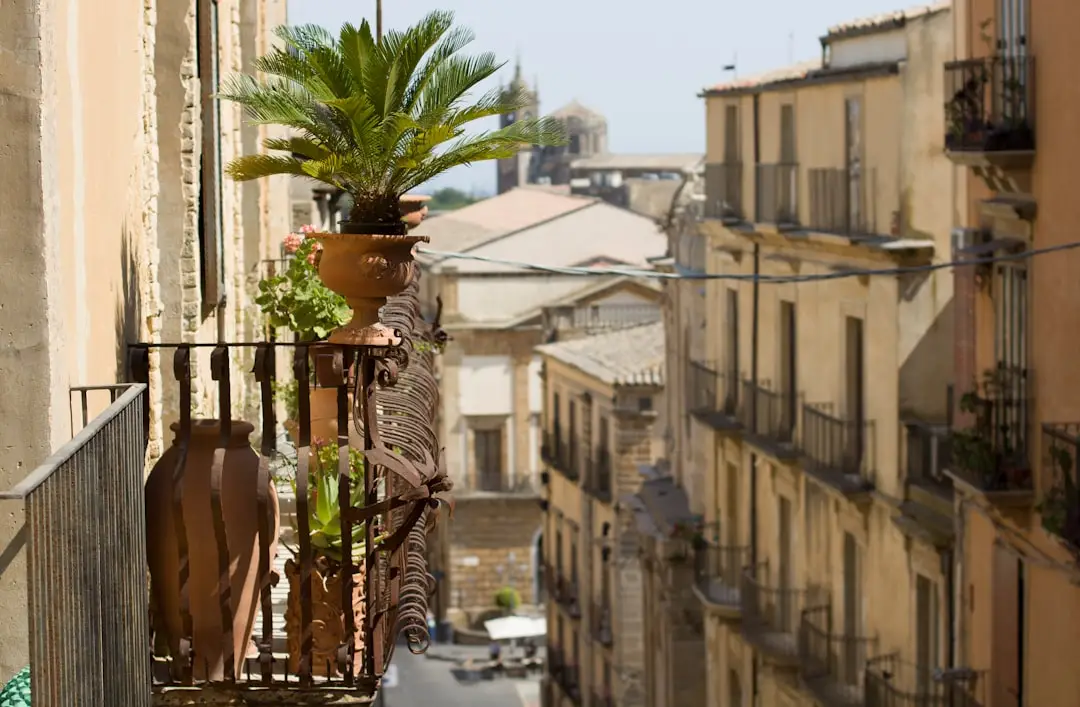
On the menu: arrosticini (mutton skewers), L’Aquila saffron, truffles, pecorino, olive oil and wines (Montepulciano d’Abruzzo, Trebbiano). Medieval borghi, Majella hermitages and Castelli ceramics tell a thousand-year-old story.
- Farmers’ markets, family-run trattorias and village festivals.
- Handicrafts: tombolo lace, woodworking and ceramics.
- Nature immersion: ecomuseums, park visitor centers.
A region increasingly attracting expats in search of authenticity.
Far from overexposed tourist circuits, Abruzzo is gaining visibility among remote workers and European families in search of simplicity. International communities remain small, fostering genuine exchanges.
- The cost of living is often lower than elsewhere in Italy.
- Reassuring environment, warm hospitality, local mutual support.
- Opportunities to create niche tourism projects.
Services, mobility and connectivity 🚆
Close to major cities, airports, and access to modern infrastructure.
The A14 highway (Adriatic axis) and the A24/A25 (to Rome) structure the region. Abruzzo airport (Pescara) offers national and European connections, complemented by buses to Rome and regional trains along the coast.
- Reasonable travel times to Rome from the coast and inland.
- Convenient rail network for coastal connections.
- Medical and university services in the main centers.
Reinvented rural life: remote work, tranquility and good connectivity.
Fiber is expanding in cities and villages, 4G/5G coverage is strengthening especially on the coast and main axes. Coworking spaces are multiplying in Pescara, L’Aquila and some medium-sized towns.
- Check internet coverage town by town.
- Hybrid solutions: 4G/5G boxes, satellite, shared workspaces.
- Environment conducive to concentration and creativity.
Strengths and challenges of moving to Abruzzo ⚖️
Strengths: still-attractive prices, nature, tranquility.
Compared to highly sought-after regions (Tuscany, Apulia), Abruzzo still offers moderate prices, especially inland and in some coastal sectors away from flagship resorts.
For example, demand recorded for Vasto (Chieti province) shows an attractive average price for second homes by the sea, confirming the coastal potential.
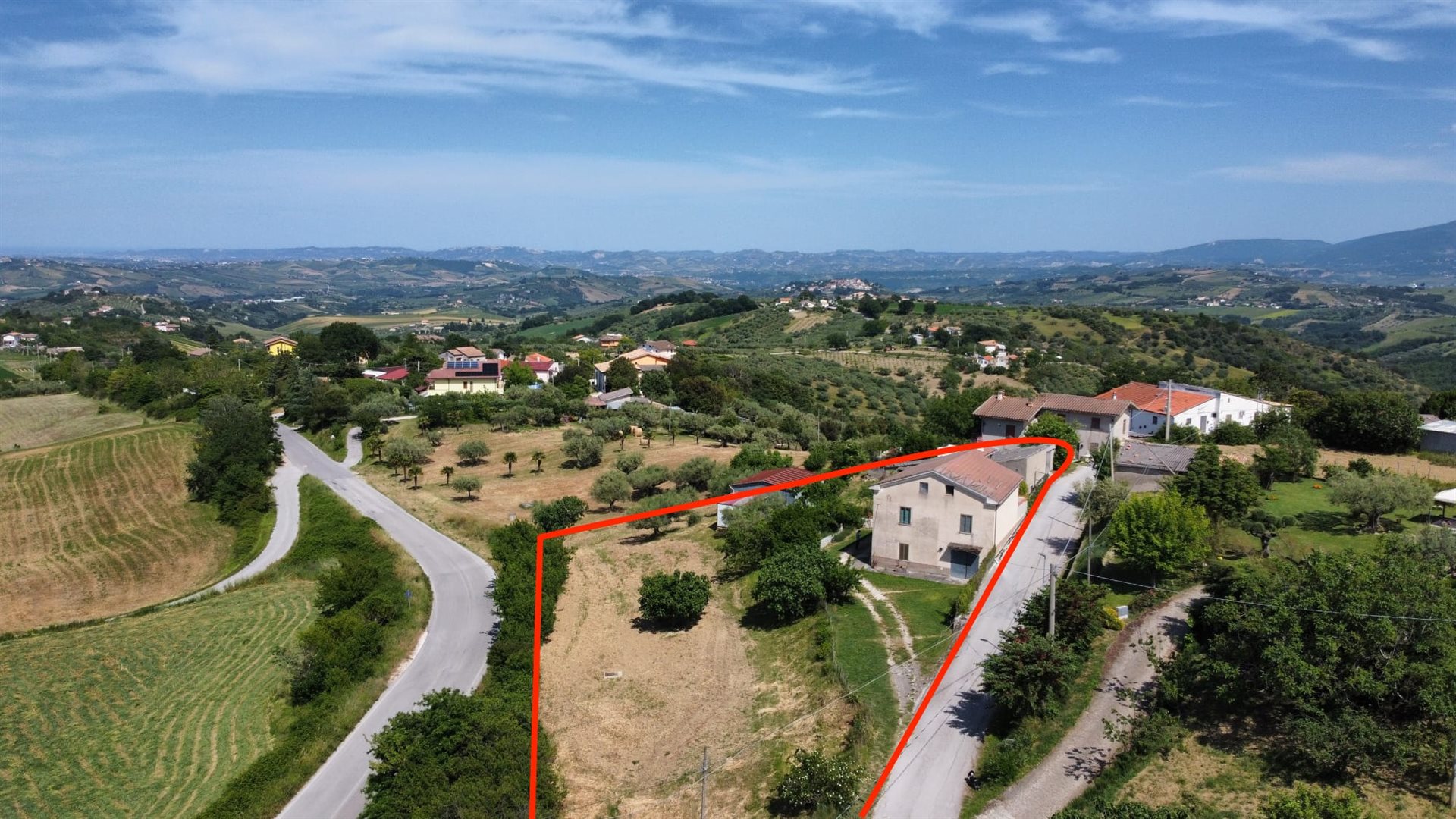
- Village houses to renovate on a reasonable budget.
- Good potential for seasonal rentals on the coast and near resorts.
- Quality of life, safety, and proximity to nature.
Challenges: depopulating inland areas, renovation needs, infrastructure to be improved.
Some villages are losing residents; services can be spaced out and a car is often needed.
- Renovation to anticipate (seismic, energy, thermal comfort).
- Public transport less frequent off the main lines.
- Healthcare/school access should be checked by municipality.
Recent population and employment trends 📈
The employment rate is recovering (~61.3% in 2023) but still lags behind in some provinces.
The rebound benefits tourism, quality agrifood, construction and renewable energy. Disparities persist between the coast and more isolated valleys.
- Opportunities for craftsmen, boutique hotels and services.
- University/tech ecosystems in L’Aquila and Pescara.
- Job market is varied but uneven by area.
Growing interest in coastal areas vs. outmigration from inland.
The coast attracts for jobs and services. The hinterland is losing working-age residents but offers opportunities to buyers willing to renovate and get involved locally.
According to Green-acres data, the profile of foreign buyers varies significantly by province: Pescara attracts a notable share of American and French buyers (with higher median prices), while L’Aquila and some inland areas show interest from foreigners (e.g., Poland, France) at lower median price points.
These trends can help tailor a search according to the origin of demand and local price positioning.
- Historic center revitalization projects.
- Occasional municipal aid for settling or renovation.
- Possible medium-term capital gains in rejuvenated villages.
Local life in 2026: ideas to integrate 🤝
Take part in local traditions (village festivals, crafts).
Join associations and festival committees: markets, grape harvests, cultural events. Key seasonal events mark the year, from the mountains to the sea.
- Craft workshops (lace, ceramics, woodwork).
- Sports, hiking and cycling clubs to meet people.
- Italian/French language exchanges.
Take advantage of the development of green and sustainable tourism.
Parks encourage responsible tourism: refuges, marked routes, nature volunteering. On the coast, the greenway of the Costa dei Trabocchi boosts slow tourism.
- Gentle roaming: cycling, trekking, discovering hermitages.
- Agritourism, local circuits, educational farms.
- Locally supported eco-friendly projects.
Settling in Abruzzo: for whom? 🏡
For those seeking an authentic setting at affordable prices.
Typical profiles: remote workers looking for peace, outdoor-loving families, active retirees, tourism and food professionals.
- Optimized budget without sacrificing the setting.
- Simple life, close to nature.
- Welcoming, supportive communities.
A few precautions (transport, services, language) before taking the plunge.
Visit in several seasons and check key points.
- Transport: real accessibility, travel times, parking.
- Services: health, schools, shops, internet (speed tests).
- Housing: seismic compliance, surveys, heating/air conditioning.
- Integration: basic Italian, local networks, associations.
- Support: notary, surveyor, building expert, bilingual agent.