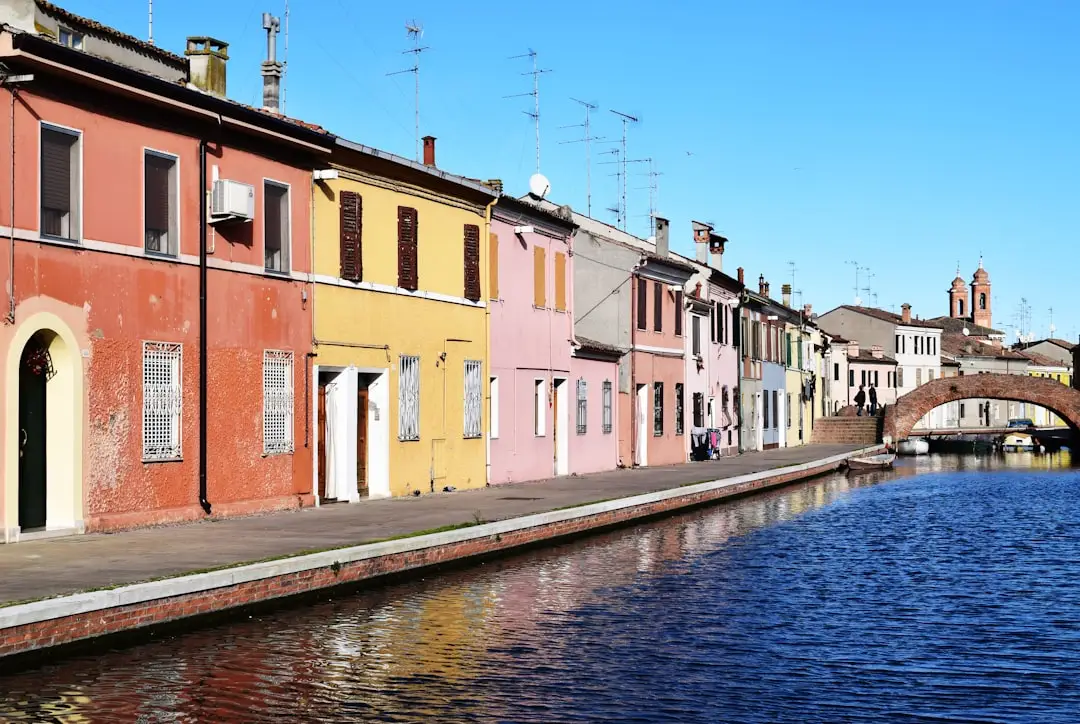
A model region of northern Italy
Top employment, universities, and infrastructure
A productive territory, Emilia-Romagna relies on centers of excellence: agrifood (PDO cold cuts and cheeses), mechanics and automotive with the Motor Valley (Ferrari, Ducati, Maserati), packaging, and ceramics. Export-oriented SMEs are highly present, fostering skilled employment. 💼
On the academic side, the Università di Bologna – the oldest in Europe – is joined by Parma, Modena-Reggio Emilia, and Ferrara. This university density boosts innovation, incubators, and links between research and businesses.
- Main routes: A1 (Milan–Naples), A14 (Adriatic), historic Via Emilia
- High-speed trains (Frecciarossa, Italo) quickly connecting the north-central region
- Airports: Bologna (international), Parma and Rimini (seasonal/tourism)
One of the highest qualities of life in the country
The region is consistently highly ranked for health, education, and local services. The cities are safe, clean, and equipped with accessible green spaces. 🌿
The Adriatic Sea, vine-covered hills, and the Apennines offer real escapes on weekends. Short distances and cycling paths make daily life relaxing for families and working professionals.
- Renowned healthcare network and wide distribution of public services
- Human-scaled cities and vibrant historic centers
- Culture of conviviality and fine dining
Bologna, vibrant and intellectual heart
Student city, cosmopolitan and dynamic
Under its UNESCO-listed arcades, Bologna brings together students, researchers, and creatives. Nightlife, literary cafes, and covered markets give rhythm to the neighborhoods. 🎓
Startups, coworking spaces, and international expos strengthen its appeal, while the high-speed rail station makes it a major national hub.
- Sought-after neighborhoods: Santo Stefano, Saragozza, Bolognina under redevelopment
- Iconic porticoes, libraries, and eclectic music scenes
- Quick access to Milan, Florence, and Rome via high-speed train
Medieval heritage and economic innovation
From the Two Towers to Renaissance palaces, the heritage tells the story of a commercial and academic past. Today, the technopole and European data centers illustrate a decidedly innovative orientation.
Packaging, mechatronics, and foodtech show how tradition and technology blend seamlessly every day.
Parma, Modena, Ferrara: elegance and culinary traditions
Signature cuisine: Parma ham, parmesan, balsamic vinegar
It’s impossible to mention Emilia-Romagna without its legendary PDO specialties. Here, terroir goes hand in hand with know-how and traceability. 🍇
- Prosciutto di Parma: delicate salting and aging in hillside winds
- Parmigiano Reggiano: king of cheeses, aged 12 to 36 months
- Aceto Balsamico Tradizionale di Modena: patience and multi-wood barrels
- Fresh pasta (tortellini, tagliatelle) and Emilia-style ragù
On the second-home market, the range of properties varies greatly from one province to another: in Modena, the average property listed on Green-Acres highlights the prominent presence of large rural estates (average observed price: €2,851,000 for an average surface area of 1,000 sqm), indicating an upmarket offer on the outskirts.
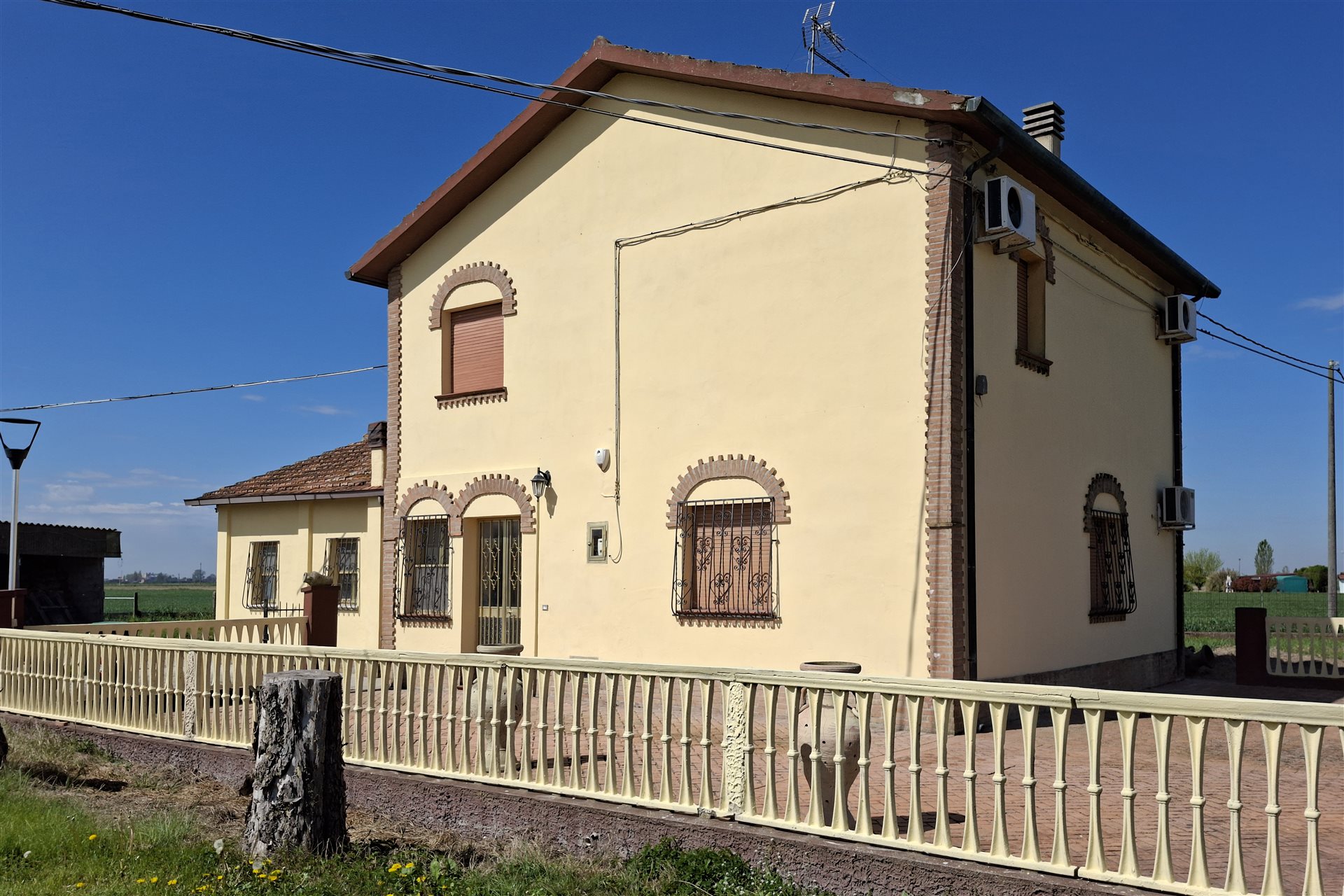
In Ferrara, properties listed for second homes show different characteristics: average observed price is €797,000 for an average surface of 1,181 sqm, with a relatively low price per sqm (partly due to large surface areas). Profiling of foreign buyers in the province indicates mixed demand (Italy and Germany in particular, each accounting for 17% according to local data), followed by requests from the United States, Poland, and Switzerland.
For more accessible second home markets, houses in Reggio Emilia and in the province of Forlì-Cesena exhibit median prices around €362,000 for average surface areas close to 131 sqm (observed price per sqm ≈ €2,763/sqm), illustrating the diversity of offers ranging from university town centers to suburbs and the coast.
Year-round festivals and vibrant cultural life
Parma beats to the rhythm of the Verdi Festival and its theaters. Modena blends gastronomy and passion for automobiles. Ferrara, a city of art, enlivens its squares with the Buskers Festival. 🎭
- Opera, avant-garde museums, and racetracks
- Calendar of events from March to December
- Elegant historic centers easily accessible by bike
Climate, mobility and services
Quick access to Milan and Florence, exemplary transport
Contrasting climate: hot summers in the plain, foggy winters, sea breezes on the coast, and cool air in the hills. This variety appeals to outdoor enthusiasts.
Mobility is a key strength: from Bologna, it’s about 1 hour to Milan and less than 40 minutes to Florence by high-speed train. Light rail, buses, and regional trains complement an efficient network. 🚄
- High-speed train stations: Bologna Centrale, Reggio Emilia AV Mediopadana
- Expanding cycling network and ZTL in historic centers
- European connections via Guglielmo Marconi Airport (Bologna)
Moderate housing and living costs compared to Lombardy
Overall, rents and prices per sqm remain lower than in Milan. Central Bologna is tighter, but outlying neighborhoods and nearby cities remain accessible. 🏠
- More affordable: Modena (outside centers), Reggio Emilia, Forlì-Cesena, Ravenna
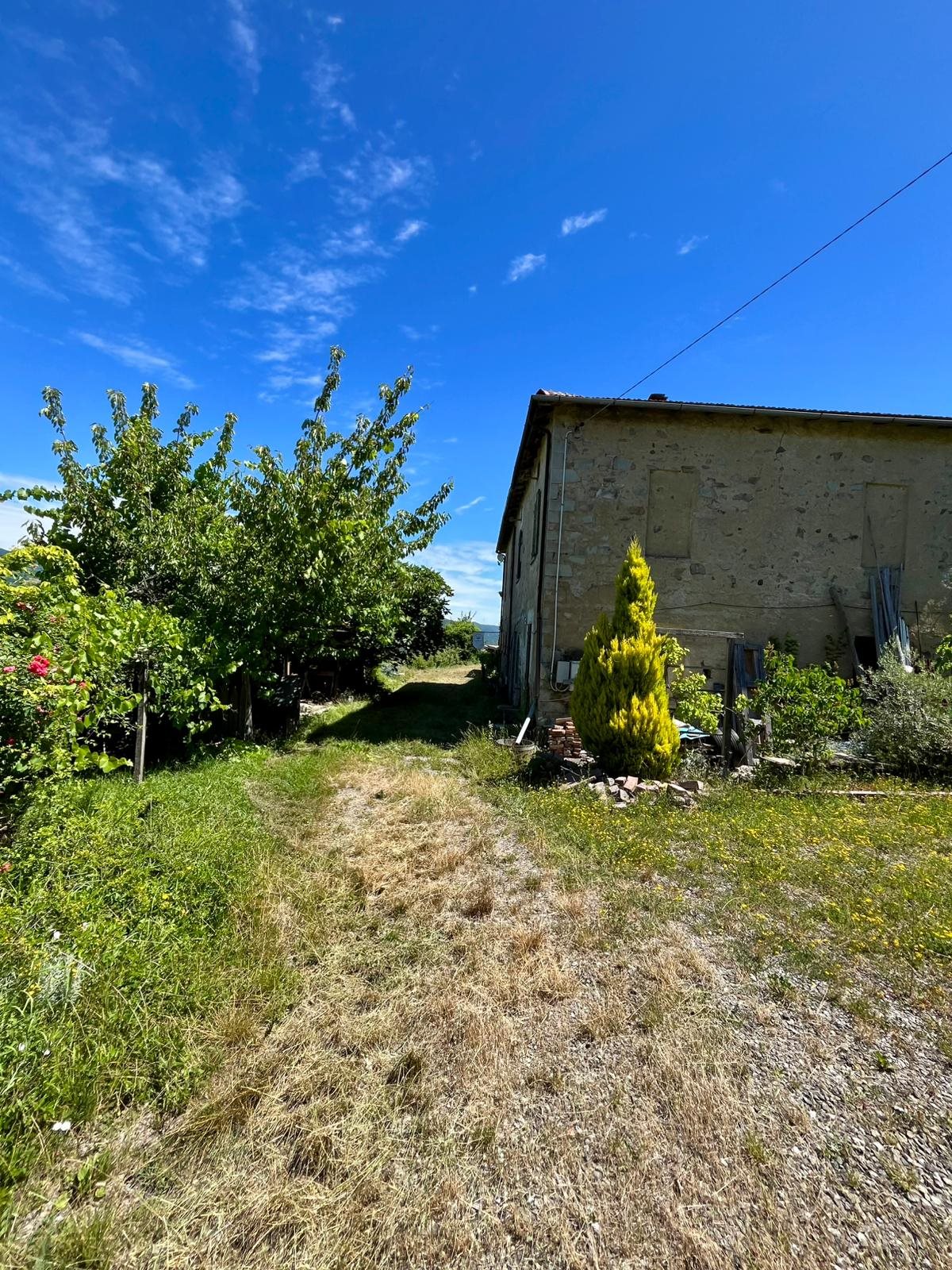
- Types: apartments in palazzi, row houses along Via Emilia, refurbished rustici in the hills, coastal villas
- Buying tips: check energy performance, condo fees, bus/train access, and seismic zone
From the point of view of foreign buyers, local data varies: for the province of Ferrara, foreign demand represents a significant share (Italy and Germany lead with 17% each), whereas Ravenna attracts mostly German (21%) and French (16%) buyers — useful insights if you are targeting a purchase for tourist rentals or resale to an international clientele.
Conversely, for Bologna and Parma, no leading foreign buyer has been recorded in the reviewed listings, indicating either a predominance of local buyers or a lack of clear foreign dominance in the available statistics.