Latium in 2026: Between Capital City and Rural Serenity 🏛️
Rome remains a major economic center, but the countryside is gaining appeal
The economic engine is still in Rome, with its corporate headquarters, institutions, and cultural ecosystem. However, the post-pandemic period has boosted the appeal of rural and peri-urban areas, where there is more space and tranquility.
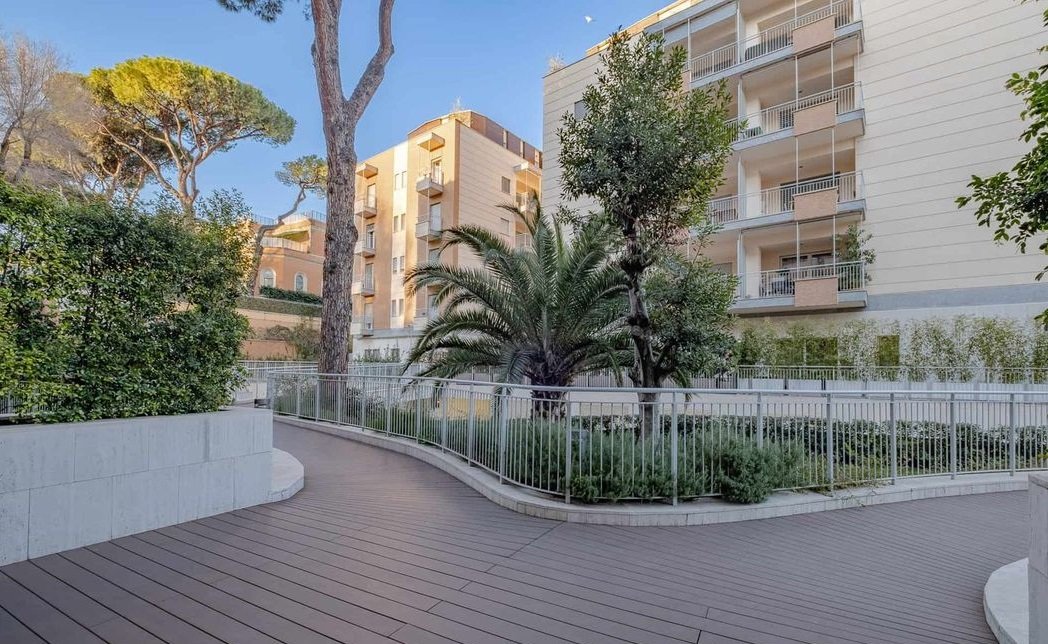
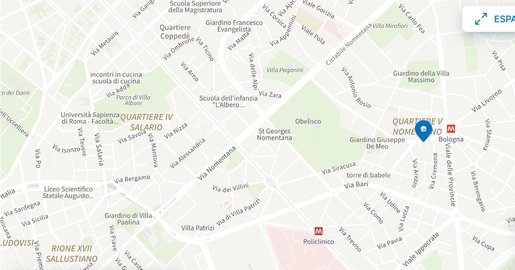
Result: a more polycentric market, where well-connected villages are as attractive as urban neighborhoods. For example, requests for second homes within the metropolitan area show significant averages: in the city center and close suburbs, prices remain high (see real estate in Rome).
- Profiles settling in: families, remote workers, young professionals, international retirees.
- Property types sought: houses with gardens, apartments with terraces, character properties to renovate.
- Key criteria: rail connection, fiber internet, local services, outdoor spaces.
City dwellers migrate to the Albano Hills and Lake Bracciano
The Castelli Romani (Albano, Frascati, Ariccia) and Lake Bracciano are popular for their microclimate, views, and easy access to the capital.
In some local markets, average prices for sought-after properties remain attractive compared to central Rome: for instance, Albano shows more accessible demand levels for generous spaces.
- Access: regional trains FL3/FL4 to Rome, typical journeys of 40 to 60 minutes depending on the station.
- Setting: green hills, historical centers, swimmable lakes, trails.
- Potential: seasonal rentals around the lakes, well-served main residences for the rest of the year.
The balance between heritage and modernity 🌿
Mild Mediterranean climate, preserved nature in the south
Latium enjoys mild winters and bright summers, tempered by the sea. In the south, the Circeo Park, dunes, and limestone hills provide an unspoiled natural setting.
Seaside resorts and coastal towns remain highly attractive for second homes and summer rentals — real estate in Anzio is a good example, featuring property types specific to the coast.
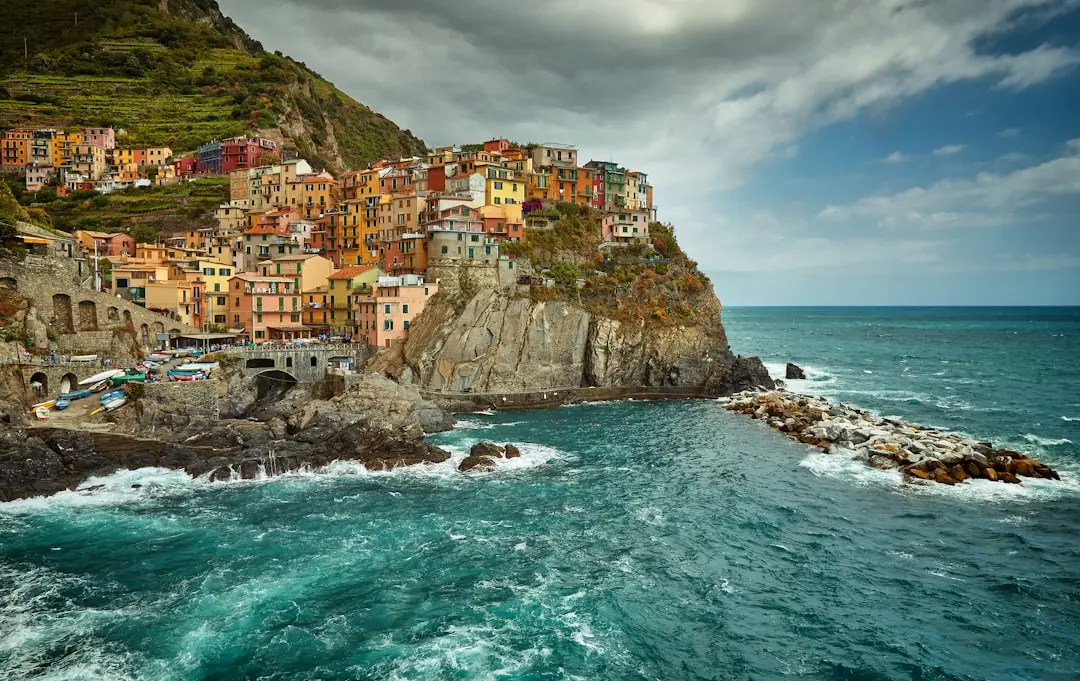
- Beaches and seaside resorts: Sperlonga, Sabaudia, Anzio along the Tyrrhenian side.
- Mountains and lakes: Albano, Nemi, Bracciano, Bolsena for swimming and sailing.
- Everyday outdoors: hiking, cycling, kitesurfing, birdwatching.
Revitalization of abandoned medieval villages
Many borghi are experiencing a revival thanks to renovation projects combining crafts, diffused hospitality, and remote work. Fiber internet, energy renovation, and respect for historical buildings go hand in hand.
- Opportunities: stone houses to upgrade, workshops, small accommodation businesses.
- Points to consider: permits, heritage constraints, thermal performance, renovation costs.
- Good tip: rely on local architects and one-stop municipal desks.
The art of living in Latium 🥘
Roman cuisine and Laziali traditions
The table is a celebration: iconic pastas (carbonara, amatriciana, cacio e pepe), porchetta d’Ariccia, Sabina olive oil, DOC wines from Frascati and the hills.
- Village trattorias, family-run osterie, weekly farmers markets.
- Embraced seasonality: artichokes, tomatoes, citrus fruits, sheep’s cheeses.
- Often attractive value for money outside the hyper-center.
Local festivals, markets, and the conviviality of Central Italy
Sagre (food festivals), processions, and feriae punctuate the year, as do antique and producer markets.
- Must-attend moments: floral infiorate, harvest festivals, lake celebrations.
- Social life: lively squares in the evening, sports clubs, cultural associations.
- Easy integration for expatriates thanks to friendliness and local Italian courses.
Everyday life and infrastructure 🚆
Efficient transport to Rome, international schools
Two airports (Fiumicino, Ciampino), FL railway networks to Rome, intercity bus lines, and road arteries facilitate commuting.
- Dedicated train to the main airport (express shuttle) and metro connections.
- Typical journey times from Albano, Bracciano, Viterbo: 40 to 90 minutes depending on location.
- Education: international and bilingual school offerings in Rome, school transport from various municipalities.
High-quality public health network
The Servizio Sanitario Nazionale covers residents, with reference hospitals in Rome and complementary private clinics.
- Access to primary care through family doctors, specialty practices in main towns.
- Well-distributed emergency services and maternity wards around the capital.
- When settling in: check registration with the health system and local practitioner availability.
Why Latium attracts expatriates 🏖️
Proximity to Rome and beaches
Living an hour from Rome while having the sea or a lake within reach transforms daily life. You can easily alternate between vibrant cultural life and nature escapes.
- Weekends: Tyrrhenian sea, volcanic lakes, hilltop villages.
- Work: accessible Roman hubs, coworking spaces in the outskirts, fiber internet in many municipalities.
- Family: green spaces, water sports, children’s activities.
Safety, culture, and local market stability
Latium combines exceptional cultural heritage and diverse real estate demand (civil service, students, tourism), guaranteeing relative stability.
For those interested in investment or family purchase, it’s useful to compare local trends: according to Green Acres data for the Rome department, the most present foreign buyers are the United States (≈14% of requests), Poland (≈12%), and France (≈12%), followed by Israel and Germany.
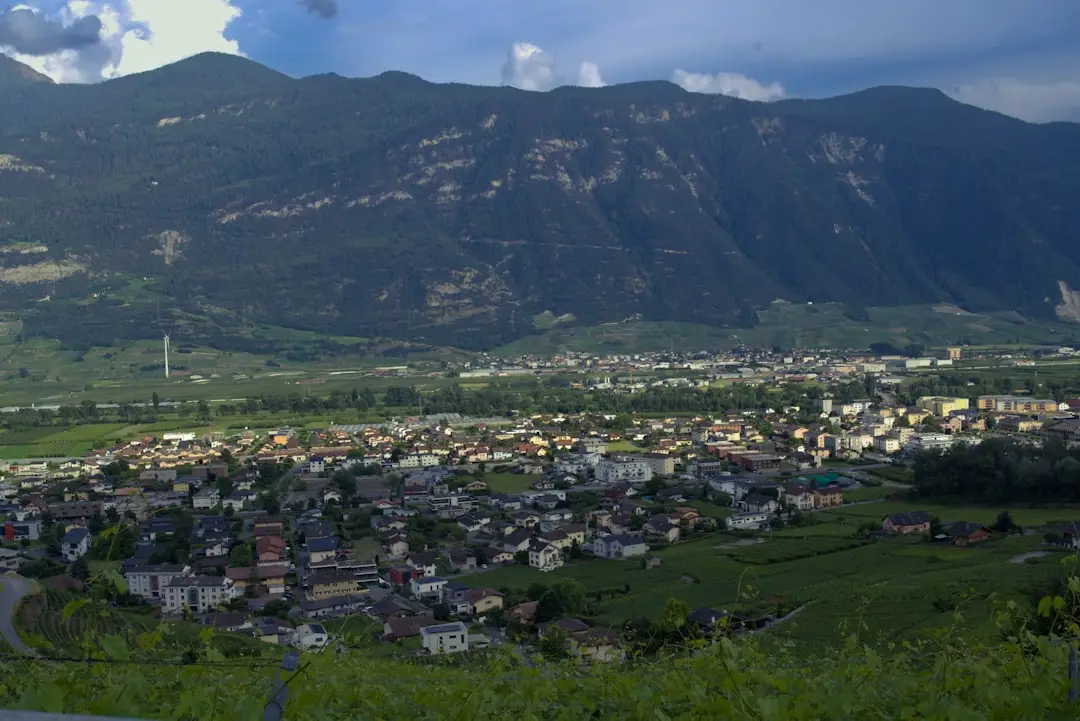
These foreign entries translate into varied demand — main residences, second homes, and seasonal rentals — and highlight the international interest in the region. Further north, in the province of Viterbo, the share of American buyers is also significant (≈17%) and Switzerland also represents a notable proportion of requests.
- Dynamic sectors: Castelli Romani, Bracciano and Bolsena Lakes, southern coast.
- Possible uses: main residence, second home, reasoned seasonal rental.
- Key asset: quality of life, climate, solid service network.