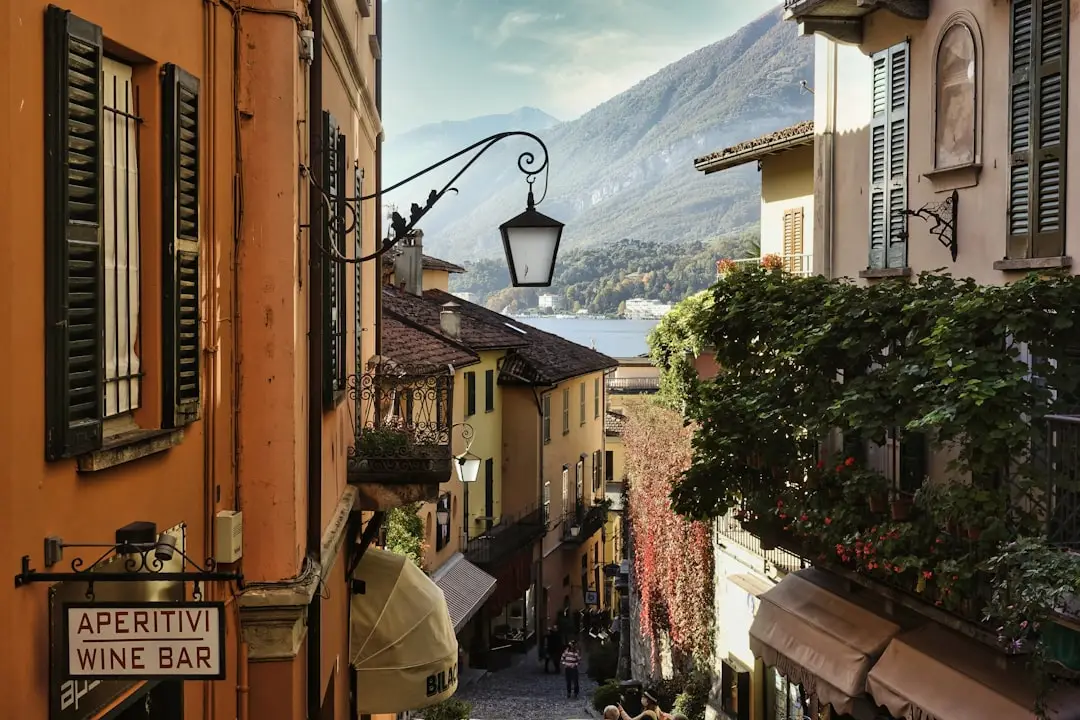
Tuscany, symbol of the beautiful Italian balance
Pleasant climate, exceptional heritage, enviable art of living
Between gentle mountains and the coast, Tuscany enjoys a temperate climate: milder on the coast, more contrasted inland. Life is lived outdoors for much of the year, between markets, cafés, and festivals. 🌿
Heritage is omnipresent (art cities, medieval villages, Renaissance gardens) and supports a living environment where one can easily move between culture and nature.
- Gastronomy and characterful wines (Chianti, Brunello, Vernaccia) 🍷
- Efficient transport: regional trains, highways, Florence and Pisa airports
- Everyday services: healthcare, international schools, local shops
A region that attracts expats and cultural investors
Common profiles: mobile professionals, families seeking bilingual schools, remote workers, hedonistic retirees, and investors sensitive to heritage.
Regarding real estate, prices vary greatly: lower in the hinterland and some villages, higher in historic centers and the sought-after coast.
- Character apartments in city centers (Florence, Siena, Lucca) for a cultural pied-à-terre
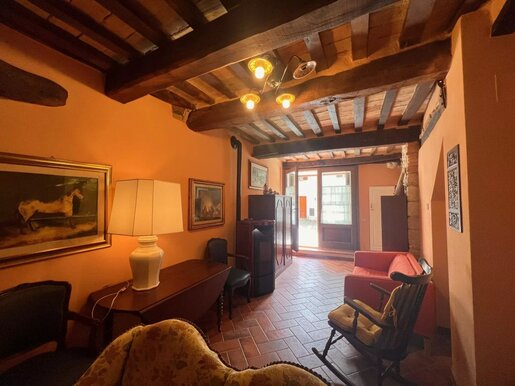
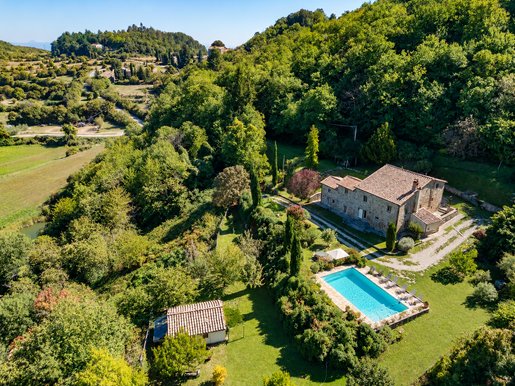
- Stone houses in Chianti or Val d’Orcia for a nature-based project
- Villas in Versilia or Maremma for seaside living
Before buying, think about local due diligence:
- Check the cadastre (catasto), urban planning compliance, and any vincoli paesaggistici
- Anticipate taxes (IMU, TARI) and maintenance costs for old buildings
- Work with a notaio and, if needed, a geometra for technical aspects
Florence, intellectual and artistic heart of Tuscany
City of art, innovation, and international student life
Renaissance capital, Florence blends world-class museums and a creative ecosystem (fashion, craft, design, digital). The international student life energizes neighborhoods and cafés.
- Neighborhoods to explore: Oltrarno (craftsmen), Santa Croce (central and lively), Campo di Marte (family-friendly)
- Mobility: tramway to the airport, ZTL in the historic center, cycling and walking daily 🚲
- For remote work: libraries, coworking spaces, cafés with good connectivity
Recent efforts for more sustainable tourism
The city encourages longer and more responsible stays: strengthening soft mobility, targeted pedestrianization, regulation of short-term rentals in the historic center, and promotion of neighborhoods beyond the hyper-centers.
Good reflex: opt for energy-efficient accommodation and low-carbon transport, easy both in Florence and Tuscany’s art cities.
The Tuscan countryside
Chianti and Val d’Orcia hills: iconic landscapes
Aligned cypresses, stone farmhouses, vineyards and olive groves: these postcards are very real. They offer a slower life, paced by seasons and harvests.
- Chianti: wine villages, panoramic trails, conviviality
- Val d’Orcia: pure lines, mythical light, villages such as Pienza or Montalcino
- Access: within reach of Florence, Siena, Arezzo; check the road quality and distance to services
To plan for a country house:
- Appropriate insulation and heating (thick stone, cool winters)
- Water and sanitation (well, cistern, septic tank): crucial checks
- Internet: fiber is spreading, but test coverage before buying
Agritourism and living to the rhythm of the seasons
Agriturismo combines hospitality with agricultural activity: it is a popular way to enhance a property while preserving authenticity.
- Spring: new olive oil, asparagus, village festivals
- Summer: outdoor festivals, night markets
- Autumn: grape harvest, truffles, olive picking
- Winter: time to care for buildings and vines
Before starting: the status requires actual farming activity and specific hospitality standards. Get support for regulatory and tax aspects.
The Tuscan coast
Versilia and Maremma: elegance and wild beaches
Two atmospheres respond to each other: Versilia (Forte dei Marmi, Viareggio) for its elegance and social scene, Maremma for its preserved spaces, pine forests, and natural parks. 🌊
- Versilia: beach clubs, shopping, restaurants, close to the Apuan Alps
- Maremma: coves, dunes, hilltop villages, slow atmosphere
- Nearby islands: Tuscan archipelago accessible, ideal for getaways
Nautical activities and seaside culture
Sailing, paddleboarding, diving, kitesurfing: the coast is suitable year-round depending on the spot. Ports and marinas make life easier for sailors.
- Practical life: seasonal mooring, sailing schools for children, boat rentals
- Investment: dynamic seasonal rentals; pay attention to local regulations and wind/sand exposure
- Air and swimming quality: towns often committed to clean beaches
Tuscany, a place to live between beauty and balance
What is striking in Tuscany is the harmonious coexistence of art cities, vibrant countryside, and accessible coast. You can work in Florence, breathe in Chianti on the weekend, and reach the sea in a short time.
To refine your project:
- Clarify your lifestyle (urban, rural, seaside… or a mix)
- Test two or three micro-territories off-season
- Assess the overall budget: purchase price, local taxes, renovation, charges
- Check connectivity and travel time to schools/healthcare
- Favor energy-efficient properties or those with improvement potential