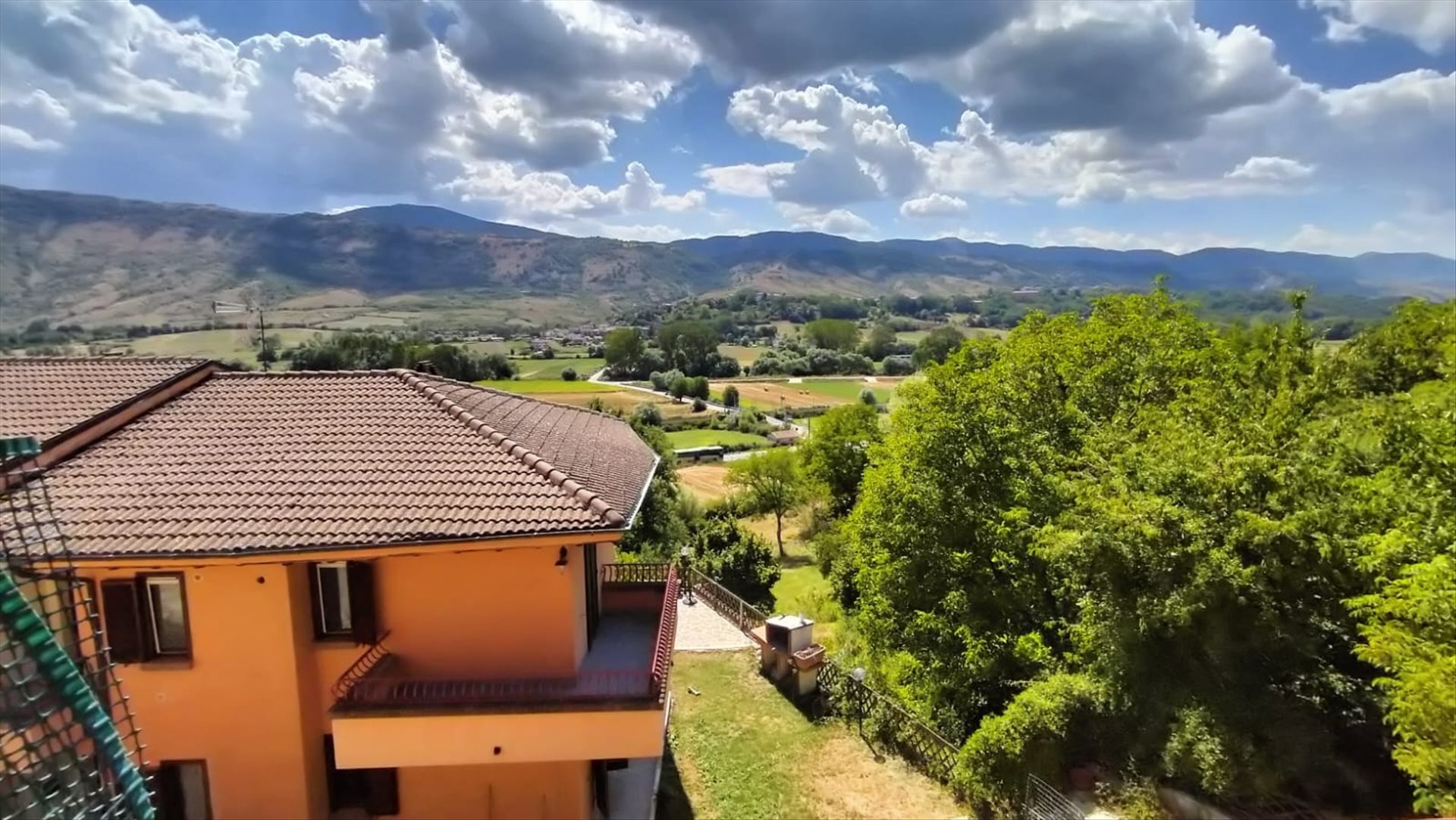
Why Explore the Villages of Abruzzo in 2026?
Unspoiled nature, untouristy villages, preserved heritage.
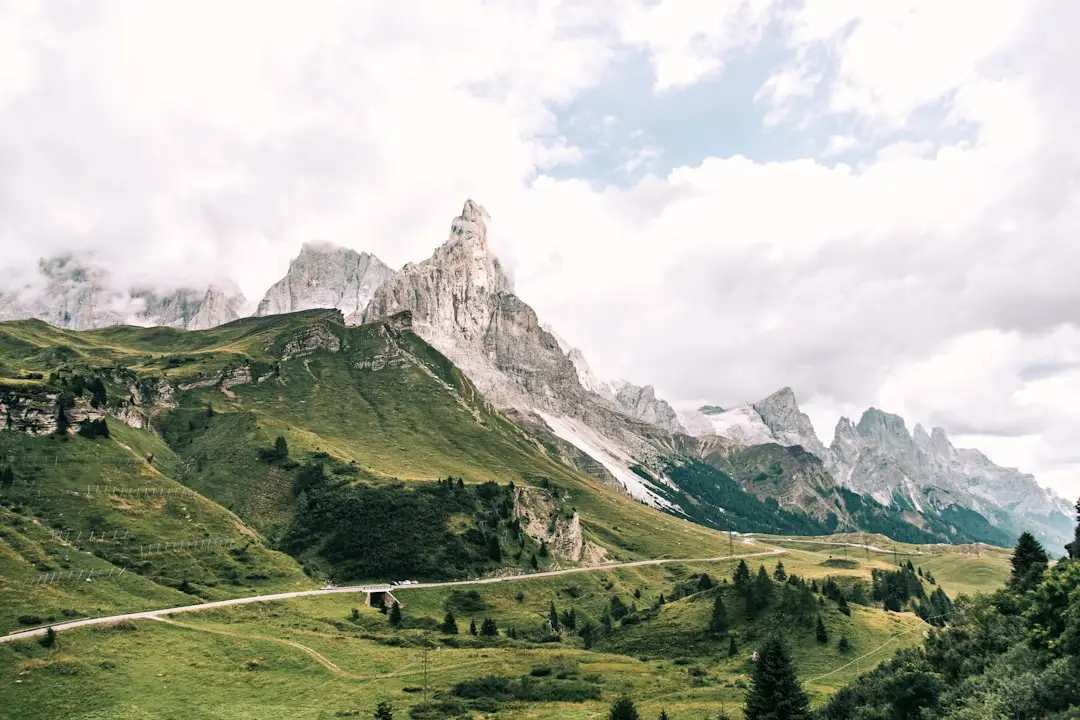
With three national parks and imposing mountain ranges like Gran Sasso and Majella, Abruzzo protects exceptional biodiversity. The villages have preserved their medieval layouts, pale stonework, and rural traditions.
Far from crowded routes, you’ll enjoy peaceful alleyways, wild landscapes, and a sincere welcome. 🍃
2026 Trend: Increased demand for « slow tourism » and authentic places.
The desire to travel slower and better is taking hold. Abruzzo fits this perfectly: micro-itineraries by foot, dispersed accommodations, gentle seasonality, and local gastronomy.
- Slow pace: hiking, cycle touring, transhumance along ancient tratturi.
- Genuine encounters: artisan workshops, farmers’ markets, village festivals.
- Light footprint: travel by regional bus, longer stays.
Santo Stefano di Sessanio, Gem of the Gran Sasso
This limestone village, carefully restored, embodies the albergo diffuso concept: rooms scattered throughout historic homes. A timeless atmosphere.
- Must-see: the medieval tower, vaulted alleyways, Tirino Valley.
- Things to do: walks to Campo Imperatore, tasting local chickpeas.
- Tip: book early in high season; expect cool nights depending on altitude.
Scanno and its Legendary Lake
A photogenic village, Scanno overlooks a heart-shaped lake from certain viewpoints. Strong traditions and renowned goldsmithing.
- Sights: “Sentiero del Cuore” viewpoint, baroque churches, filigree gold shops.
- Activities: lake loop hike, summer swimming, Sulmona’s cheeses and confetti nearby.
- Tip: weekends are busy; aim for morning or late afternoon for the viewpoint. 💙
Rocca Calascio and its Panoramic Fortress
Perched over 1,400m, this fortress offers a 360° panorama over Gran Sasso. A famous film backdrop.
- Sights: castle, hermitage of Santa Maria della Pietà, chiaroscuro at sunset.
- Activities: marked trails from Calascio; bring boots and a windbreaker.
- Tip: access is regulated seasonally; shuttles run during peak times.
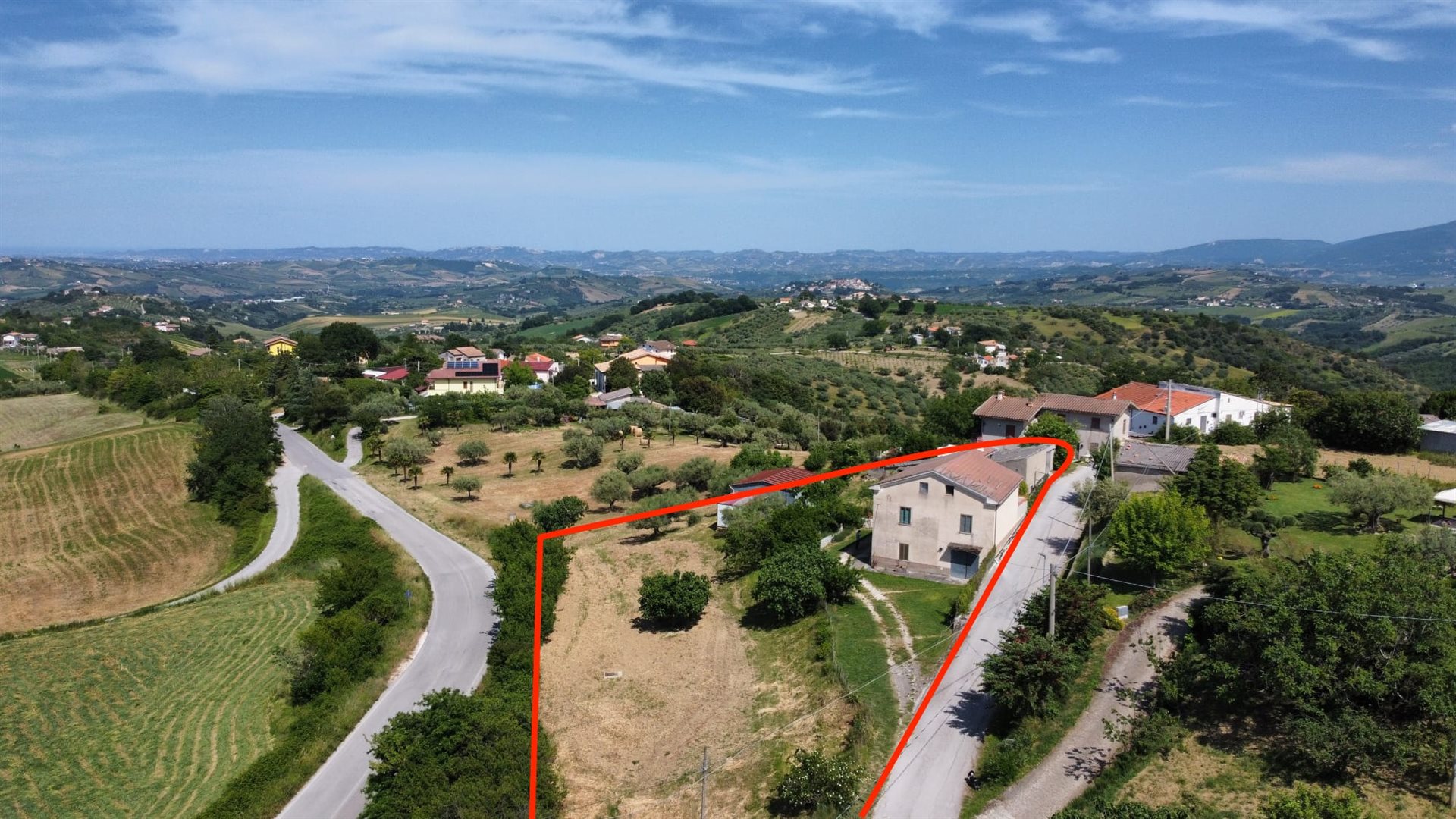
For those eyeing the local property market, demand around Rocca Calascio remains strong: the average on specialist websites is around €362,000 for properties close to 131 m², reflecting strong appeal for character mountain homes.
Civitella del Tronto, History and Mountain
Overlooking the Vibrata Valley, the Bourbon fortress is one of Italy’s largest. Stair-stepped streets and views of the Apennines.
- Sights: ramparts, history museum, the “narrowest alley in Italy.”
- Activities: guided tours, mountain cuisine (arrosticini, cured meats).
- Tip: combine with the Adriatic coast (Vasto, Pineto) for sea-mountain contrast.
Also worth noting: the local property market can be very affordable. Average asking price in Civitella del Tronto is about €88,000 for around 120 m²—an interesting entry point for renovation and guest house projects.
Other Villages to Discover Far from the Crowds
Focus on the Aquila hinterland and mountain towns.
Around L’Aquila, the villages retain genuine character and a rural life paced by transhumance.
- Pacentro: tower houses, gateway to Majella.
- Castel del Monte: pastoral capital, cheeses and fleeces. 🐑
- Pescocostanzo: bobbin lace, baroque facades.
- Pettorano sul Gizio: limestone lanes, trails to the gorges.
Accommodations, local life and low tourist traffic.
You’ll find alberghi diffusi, agriturismi, and guesthouses. Numbers remain moderate, especially outside summer.
- Way of life: local shops, square cafés, weekly markets.
- Tip: stay 3–5 nights to settle in and cut down on travel.
Local Life and Living Heritage
Crafts, regional gastronomy, village festivals.
Traditional skills endure: Pescocostanzo lace, Scanno goldsmithing, Navelli saffron.
- To try: arrosticini, pecorino, maccheroni alla chitarra, Adriatic olive oil.
- Festivals: transhumance, Cocullo and traditions, mountain markets.
Why these villages appeal to city dwellers seeking peace.
The mix of silence, pure air, and simplicity is captivating. Life is lived outdoors, with lots of walking and neighborly chatting.
Cost of living is often gentler, with great scenery and a sense of community. ✨
Accessibility and Sustainable Tourism
How to get there, when to visit, and available services.
- Getting there: Pescara airport; Rome via A24/A25 and buses to L’Aquila, Sulmona, Teramo.
- Getting around: TUA buses, regional trains along the coast; car useful for the hinterland.
- When: bright April–June and September–October; winter for snow, summer for cool mountain air.
- Services: tourist offices, trail maps, nature guides; check opening outside main season.
If you want to compare with nearby cities, the average property listings in Teramo show the difference between urban center and village: larger spaces and different values are apparent.
Tourism impact on these villages and heritage preservation.
Uncontrolled influx can threaten historic centers. Opt for longer stays, buy local, and respect residents.
- Useful actions: reusable bottles, respecting trails, sorting waste.
- Heritage: many buildings are protected, works are overseen by the Soprintendenza.
Investing in an Abruzzese Village: Opportunities and Precautions
Renovation properties, Airbnb potential, but also vacancy and seasonality.
Prices remain accessible in many towns (often between €500 and €1,200/m² depending on condition and location). The heritage charm and strong weekend/summer demand fuel short-term rentals.
- Potential: nature stays, occasional remote work, Italian families in summer.
- Reality: vacant in winter, snowy access at times, car needed.
- Indicative figures: €60–120/night, 80–150 nights/year depending on village and property quality.
To gauge the market, some local reference points from online listings highlight notable differences: for example Vasto (coast) averages around €186,000 for large properties, while mountain areas tend to be cheaper but need more renovation.
STR regulation, energy renovation, constraints.
Short-term furnished rentals in Italy generally require an identification code (CIR/CIN), an activity declaration (SCIA) at the town hall, and compliance with safety requirements (detectors, evacuation plan). Rules differ by municipality.
Many villages are in seismic zones: structural surveys, possible sismabonus, and heritage permits may be needed. Parks and historic centers entail landscape constraints and compatible materials.
- Energy: insulation and efficient heating strongly recommended in the mountains.
- Process: local architect, detailed quotes, anticipate administrative periods.
- Tax and incentives: subject to change; check before buying.
Lastly, according to Green-acres data, the origin of foreign buyers varies by area: L’Aquila sees a large share from Poland and France (about 13% each), Teramo especially attracts French buyers, while Pescara has a strong presence of American buyers.
An Inner Journey to Authentic Italy
Why these villages show another face of Italy.
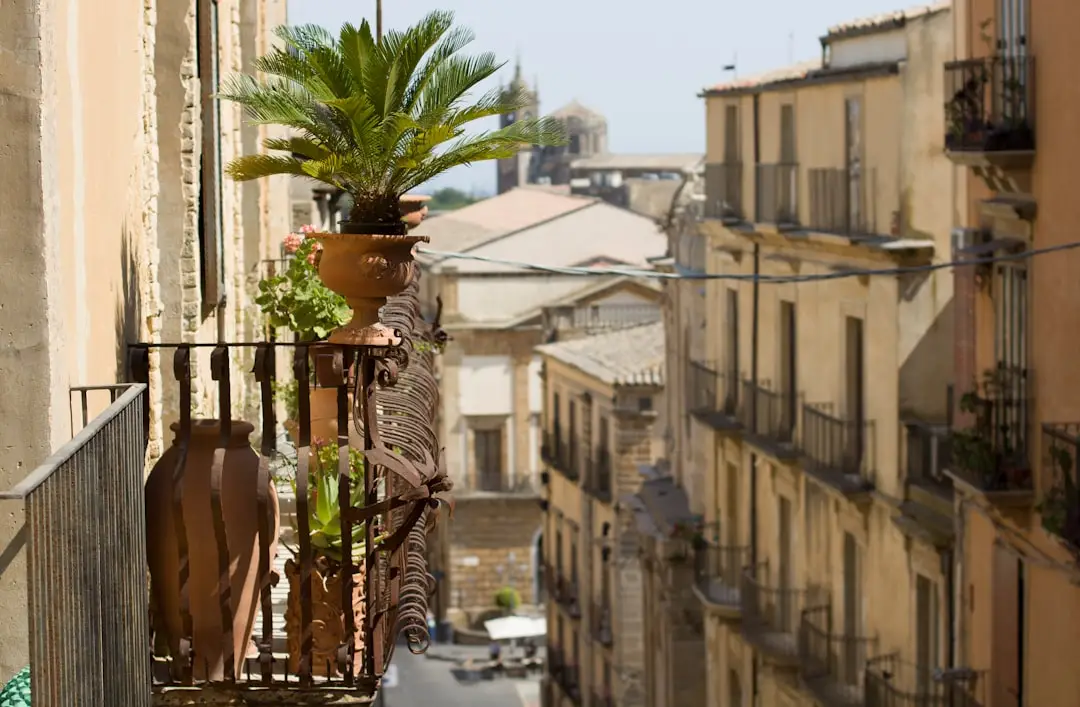
Here, Italy tells its story without embellishment: weathered stones, bell towers, pastures, and frank hospitality. The landscapes soothe; daily routines keep you grounded.
Consider a stay, a purchase, or a lifestyle change
Start with a long stay to test the seasons, note available services, and get a feel for the neighborhood. Then refine your project: second home, guesthouse, freelance remote work.
With a clear vision, local support, and realistic expectations, your Abruzzo adventure can become a beautiful story. 🚶♀️