Must-See Coastal Villages of Sardinia 🌅
The Sardinian coastline is lined with colorful villages, medieval citadels, and active fishing ports. It’s ideal for alternating between swimming, strolling, and gourmet stops.
Bosa, Castelsardo, Carloforte: Colors and Maritime Culture
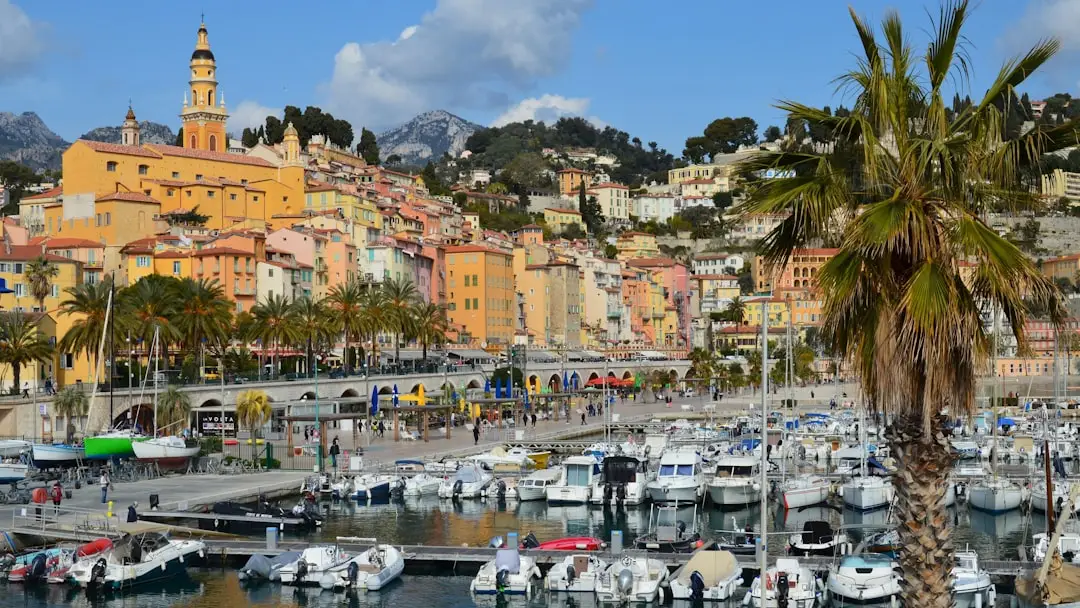
Bosa charms with its pastel houses clinging to the Sa Costa hillside and the silhouette of Malaspina Castle. At its foot, the Temo River creates a rare river atmosphere in Sardinia, with a beach and bars along the port.
Castelsardo is a dramatic medieval citadel above the Gulf of Asinara. Here, alfa grass and wicker are still woven, while winding streets lead to the Doria Castle and sea-view lookouts.
On San Pietro Island, Carloforte retains a Ligurian soul: Tabarkino dialect, traditional tuna fisheries, and tuna-based cuisine. Genoese lanes and coves such as La Bobba or Guidi invite you to take your time.
- Don’t miss: panoramic views of Bosa from the castle, the Museum of Weaving in Castelsardo, the Girotonno festival in Carloforte (late spring).
- Practical access: Bosa is 1 hr from Alghero via a scenic coastal road; Castelsardo is ~1 hr from Olbia/Alghero; Carloforte is reached by ferry from Portovesme or Calasetta.
- Best times to visit: May–June and September–October for warm waters and fewer crowds.
Property Guide — In Bosa (Oristano province), buyers on Green Acres are looking at around €92,000 for properties of about 183 m² (≈€503/m²).
In the province of Oristano, Dutch buyers represent about 19% of international inquiries, with typical budgets around €237,000 for 125 m² (≈€1,900/m²).
Around Castelsardo (Sassari province), international demand is led by Poland (17%), France (16%), and the United States (9%), underlining strong appeal for the northern coast.
Villasimius and Cala Gonone: Turquoise Beaches and Way of Life
Villasimius sits alongside the Capo Carbonara Marine Protected Area. Between Simius, Porto Giunco, and Punta Molentis, you move between white sand and lagoons populated by flamingos.
Overlooking the Gulf of Orosei, Cala Gonone is the gateway to legendary coves: Cala Luna, Cala Mariolu, Bue Marino cave. Boats, kayaks, or hiking trails let you explore at your own pace.
- Things to do: boat trip on a traditional « gozzo », snorkeling in the Capo Carbonara MPA, early morning hikes to the Supramonte coves.
- Tips: book boats the day before in summer; bring water and water shoes for pebbly areas; opt for golden hours for photos.
Property Guide — In Nuoro province (Cala Gonone, Orgosolo, Mamoiada), demand from abroad is led by the US (23%) and France (18%). Typical budgets hover around €320–335k for ~95 m², over €3,300/m², according to Green Acres.
Inland Villages and Traditions 🏞️
In the heart of the island, Barbagia preserves a proud, mountainous, and creative Sardinia. Here, village squares come alive for festivals, and artisans open their workshops.
Orgosolo: Mural Art and Cultural Resistance
Renowned for its murales born in the 1960s, Orgosolo tells tales of struggle and hope on its walls. A guided walk sheds light on the messages and aesthetics of these murals.
- Must-see: painted lanes, artisan shops, local cheese dairies.
- Nearby hikes: Supramonte trails leading to caves and canyons (good shoes recommended).
Mamoiada and Its Ancient Carnivals
Homeland of the mamuthones and issohadores, Mamoiada lives by agropastoral rites. Cork masks, animal skins, and bells fill the streets during the processions.
- Highlights: the feast of Sant’Antonio (mid-January) and Carnival period.
- Don’t miss: Museo delle Maschere Mediterranee, Cannonau wine tasting at local producers.
Practical tip: inland roads are winding. Plan generous travel times and make stops in villages to discover workshops and trattorias.
Good to know: the west around Bosa remains overall more affordable than the Gulf of Orosei; price differences depend on sea views, property condition, and accessibility.
Sardinian Natural and Cultural Heritage 🏛️
Between prehistoric sites, skilled crafts, and terroir cuisine, Sardinia is also discovered through its age-old heritage.
Nuraghes, Island Crafts, and Gastronomy
Nuraghes dot the island: the site of Su Nuraxi (Barumini, UNESCO) is the most iconic. Add sacred wells (Santa Cristina) and Giants’ Tombs for a deep dive into prehistory.
- Crafts: basketry in Castelsardo, knives from Pattada, gold/silver filigree in Dorgali, handwoven rugs.
- At the table: pane carasau, pecorino sardo, porceddu, bottarga, seadas with honey, Cannonau and Vermentino wines.
- Good to know: many workshops open by appointment. A quick call the day before helps arrange a visit.
Sustainable Stays and Experiential Tourism
For accommodations, consider agriturismi and alberghi diffusi that revive old village homes. Local hospitality, farm products, and authentic immersion are guaranteed. 🌿
- Experience ideas: weaving workshops, coastal fishing days, cooking classes, guided treks in the Supramonte.
- Sustainable gestures: protect seagrass meadows, reduce car use by combining boat/bus, choose eco-friendly water and cosmetics.
- Property project: inland villages often offer better value; on the coast, check about the PPR (landscape regulation) and property energy ratings.