Iconic Villages of Trentino-Alto Adige
Ortisei, Castelrotto, San Candido: Alpine Culture and Living Traditions
In Ortisei (Val Gardena), the art of woodcarving still brings workshops to life, while walks start right from the center leading to viewpoints over the Dolomites. In Castelrotto, painted houses and the tall bell tower trace a typically Tyrolean silhouette. San Candido appeals with its Romanesque collegiate church, pedestrian lanes, and gentle atmosphere in every season. ✨
Everywhere, local life is marked by alpine pasture festivals, weekly markets, and a warm, bilingual—sometimes trilingual—hospitality that gives Trentino-Alto Adige its charm.
Wooden Architecture and Community Life
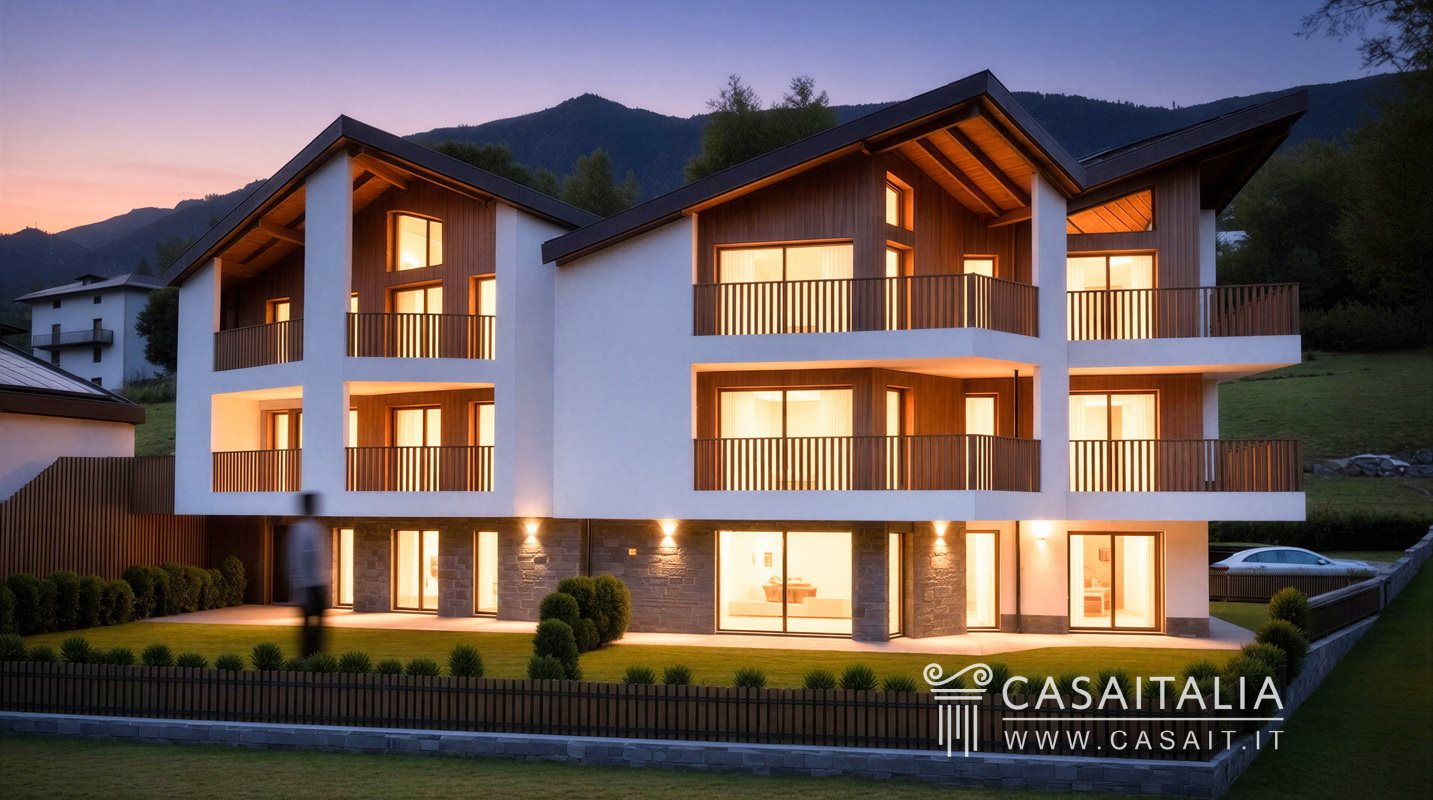
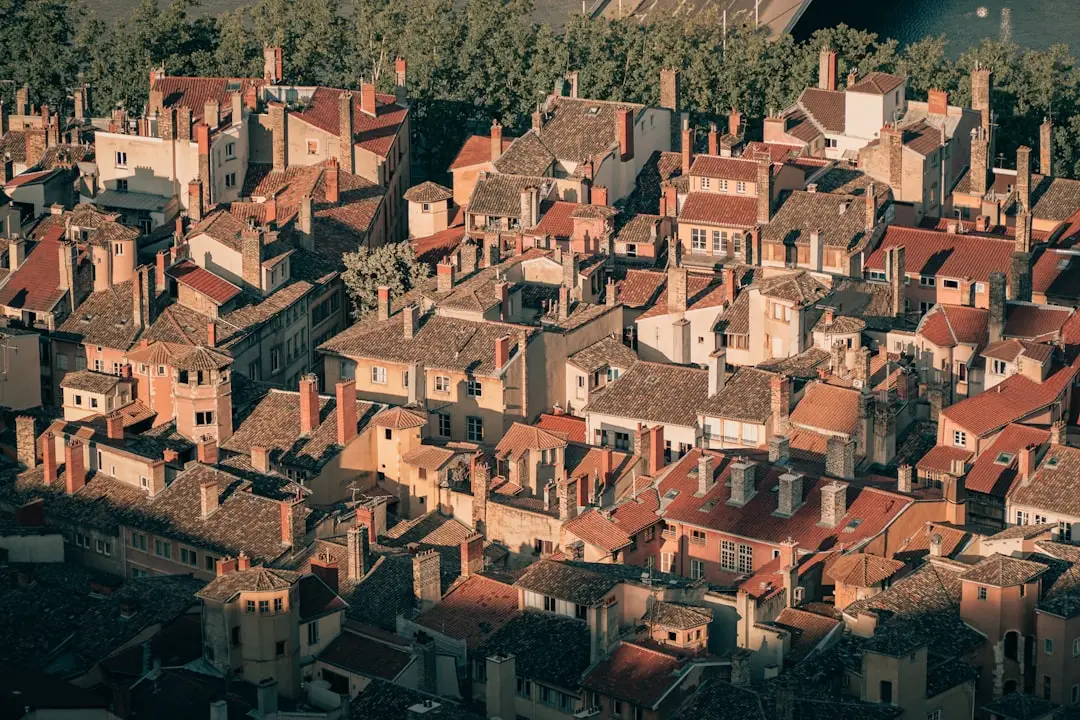
The villages combine chalets with flower-filled balconies, centuries-old barns, and painted facades. Wood, ever-present, insulates, perfumes, and tells a story of handed-down expertise.
Community life expresses itself through:
- transhumance festivals and village brass bands 🎺;
- family-run mountain lodges open to hikers;
- sports and cultural associations, pillars of local support.
Nature and Authenticity
Nature Parks, Flowering Meadows, and Panoramic Hikes
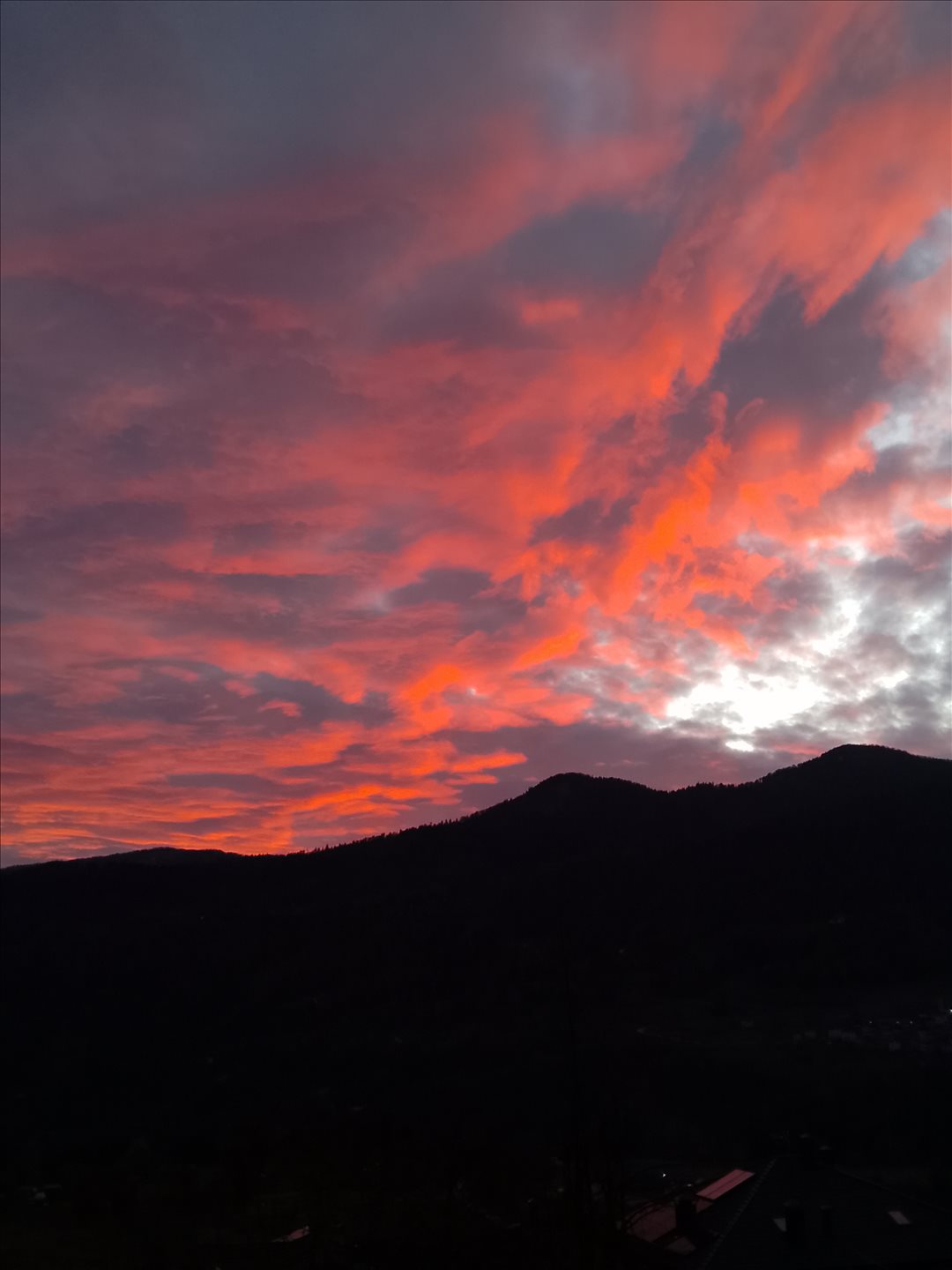
Between the plateau of Alpe di Siusi/Seiser Alm, the Sciliar-Catinaccio and Fanes-Sennes-Braies parks, the landscapes alternate between pink cliffs, flowering meadows, and larch forests. Trails are well marked and lodges welcoming.
Ideas for panoramic walks:
- an easy loop on the Alpe di Siusi plateau for 360° views;
- the Tre Cime loop, a must to grasp the iconic silhouette of the Dolomites;
- a sunrise hike up to a pass accessible by cable car, then return to the valley via a forest path.
In spring and summer, the alpine flora is a true spectacle. In autumn, the larches turn golden, the air is clear, and the panoramas deepen. 🍂
Mountain Cuisine: Cheeses, Wines, and Strudels
Local food combines comfort and precision. Here you’ll find alpine cheeses, PGI speck, soups, and the famous canederli (knödel). On the wine side, the terroirs deliver aromatic whites and characterful reds.
- Wines to discover: Gewürztraminer, Lagrein, Teroldego, Müller-Thurgau. 🍷
- Specialties: schlutzkrapfen (herb ravioli), creamy polenta, apple strudel. 🥟🥧
- Where to buy: farmers’ markets, producer-run lodges, wine cooperatives.
Each village has its own café-patisserie for a snack, and trattorias where the menu follows the seasons and local produce.
Responsible Tourism and Sustainable Winter
Eco-Certified Accommodation and Car-Free Routes
Trentino-Alto Adige has established itself as a benchmark for green mobility and sustainable hospitality. Many hotels and guesthouses carry environmental labels (EU Ecolabel, local certifications) and use efficient heating systems.
Practical tips for traveling with a light footprint:
- arrive by train (connections via Verona, Bolzano, Bressanone) and continue by regional bus;
- use valley shuttles, cable cars, and mobility passes;
- stay in villages with restricted traffic (pedestrian plateaus and resorts) 🚶;
- choose committed accommodation (renewable energy, waste reduction, seasonal cuisine).
In winter, resorts focus on energy efficiency, modernizing lifts, and diversifying activities: snowshoeing, cross-country skiing, spas, gastronomy…
The Italian Alps as a Model of Ecotourism
The alpine villages of Trentino-Alto Adige show that welcoming guests can be done without spoiling the environment. Ecotourism here is based on efficient infrastructure, increasingly renewable energy, and the promotion of local know-how.
- Local energy mix and building renovation;
- frequent public transport and simple fare systems;
- short food supply chains, from field to fork;
- four seasons viewed as an asset, not a constraint. 🌿
Result: a more peaceful, more sensory, and more responsible experience—ideal for daily life in the fresh air.
Moving in or Investing: Practical Guide
A Discreet Market Driven by Local Demand
In the province of Bolzano (Südtirol), there is foreign demand but no dominant nationality: according to Green Acres data, no major foreign buyer has been identified at this stage.
By comparison, in the neighboring Aosta Valley, our records also show no main foreign buyer. This supports the idea of a rather local and balanced alpine market where projects are built for the long term.
What to Watch Out For
- Altitude and sunlight: exposure and winter access determine daily comfort.
- Car-free access: valley shuttles, cable cars, and pedestrian areas facilitate life but require some planning.
- Energy performance: well-insulated wooden houses bring real comfort and efficiency gains.
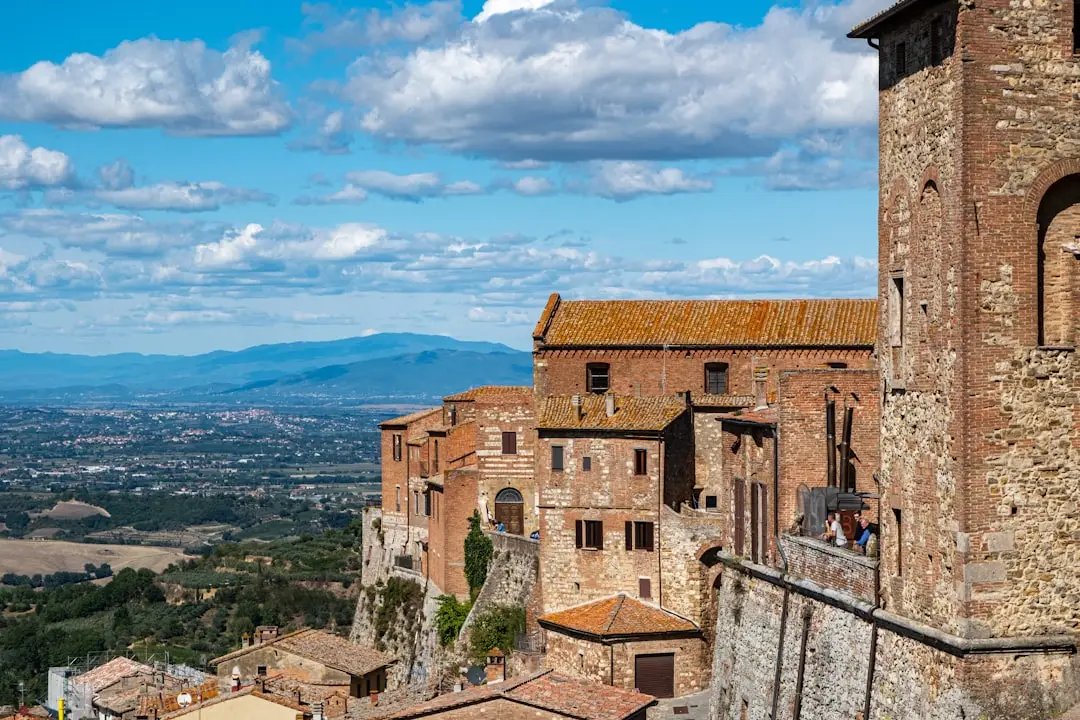
- Built heritage: painted facades and centuries-old barns may be subject to specific renovation rules.
- Year-round services: shops, schools, healthcare, and internet connection vary by altitude and season.
Where to Start Your Search
- Around Ortisei and Castelrotto: lively villages, direct access to mountain pastures, and rich cultural life.
- San Candido and its valley: gentle atmosphere, network of trails, year-round services.
- Plateau of Alpe di Siusi/Seiser Alm: vast landscapes, green mobility, but note the scarcity of offers.
Visit in mid-season to gauge daily life, talk to residents, and take the time to compare hamlets—each micro-valley has its own light, rhythms, and traditions.