Art and History Villages of Veneto
Arquà Petrarca, Asolo, Montagnana: Medieval Splendors
In the heart of the Euganean Hills, Arquà Petrarca lines its stone houses around the poet’s residence. Peaceful atmosphere, local olive oil, and panoramic hill views are included. 🕰️
Asolo, the « city of a hundred horizons, » enchants with its loggias, discreet cafés, and the legacy of Catherine Cornaro. Montagnana impresses with its intact ramparts, among the best preserved in Italy.
- Must-sees: Petrarch’s tomb in Arquà, Rocca and Garibaldi Square in Asolo, San Zeno Tower and the wall circuit in Montagnana.
- Highlights: spring for blooming gardens, late summer for music and literature festivals.
- Photo tip: arrive early to catch the golden light on the stones and alleys.
Palazzi, Frescoes and Flowered Alleys
Veneto delivers Renaissance art village-style: palazzi with painted facades, hidden courtyards, shaded porticoes, and cobbled lanes decked with flowers.
- What to look for: coats of arms, mythological friezes, cherubs, and trompe-l’oeil on facades.
- Nearby Palladian villas (Vicenza and countryside) to complete your itinerary.
- Good instincts: keep your senses alert—the best sign of an interesting palazzo is often a slightly open door and a silent patio. 🌿
Handy tip: many historic centers are in ZTLs. Park on the outskirts and continue on foot or by bike.
The Wine Villages
Valdobbiadene and Conegliano: Prosecco Capitals
Between Valdobbiadene and Conegliano, the vineyards form a spectacular patchwork, recognized by UNESCO. Steep slopes, dry stone walls, and small enclosed plots are the hallmarks of heroic viticulture. 🍇
- Tastings: favor DOCG labels (Cartizze, Rive) for a more precise expression of terroir.
- Cellars to visit: historic cooperatives, family estates, village wine bars—ask for the « calice » (glass) of the day.
- Active experiences: e-biking in the hills, marked trails between vineyards, panoramic picnics.
Good to know: Prosecco is not just for « spritz. » Try brut nature, extra-brut, or col fondo for more gastronomic styles.
Wine Routes and Rural Tourism
Take the Strada del Prosecco and the roads through the Asolani or Berici Hills. In 1 to 3 days, alternate between estates, hilltop villages, and trattorias.
- Express itinerary (1 day): Conegliano → Refrontolo (Molinetto della Croda) → Valdobbiadene.
- Slow version (2-3 days): night in an agriturismo, sunrise hike, guided tour of historic cellars.
- Calendar: harvest season late August–October; spring for flowers and mild weather. 🍷
- Controlled budget: tasting passes, « pranzo di lavoro » lunch menus, well-synced regional transport.
Green Acres tip: check opening days of estates and book tastings for the weekend. Some cellars limit visitor numbers to maintain the experience.
Living in Tune with Venetian Villages
Crafts, Markets, and Centuries-Old Traditions
Patient hands keep ancient crafts alive: Nove ceramics, weaving, engraving, violin making, and of course the grappa of Bassano del Grappa.
- Unmissable markets: fresh produce, alpine cheeses, late radicchio, hilltop honeys.
- Village festivals (sagre): gourmet stalls, brass bands, village square dances—festive guaranteed. 🎺
- Meaningful souvenirs: handcrafted knives, ceramics, wines from small plots, local textiles.
Friendly tip: order an « ombra » (a small glass) and « cicchetti » to experience the Venetian aperitif ritual, even far from the lagoon.
Sustainable Accommodation and Cultural Tourism
Choose agriturismos, B&Bs set in Venetian houses, or « albergo diffuso » (rooms spread out in the village). You support the local economy and enjoy a warm welcome. 🌱
- Labels to look for: EU Ecolabel, properties powered by renewable energy, rainwater harvesting.
- Good non-car options: villages connected by train/bus (Conegliano, Bassano, Castelfranco), bike rentals.
- Everyday culture: small concert halls, Italian-style theaters, photography and literature festivals.
Want to move here? List your criteria: rail access, walkable services, weekly markets, tourist seasonality, and any heritage constraints on facades.
- Property pointers: sought-after wine villages (high demand), inland towns more affordable than the lagoon.
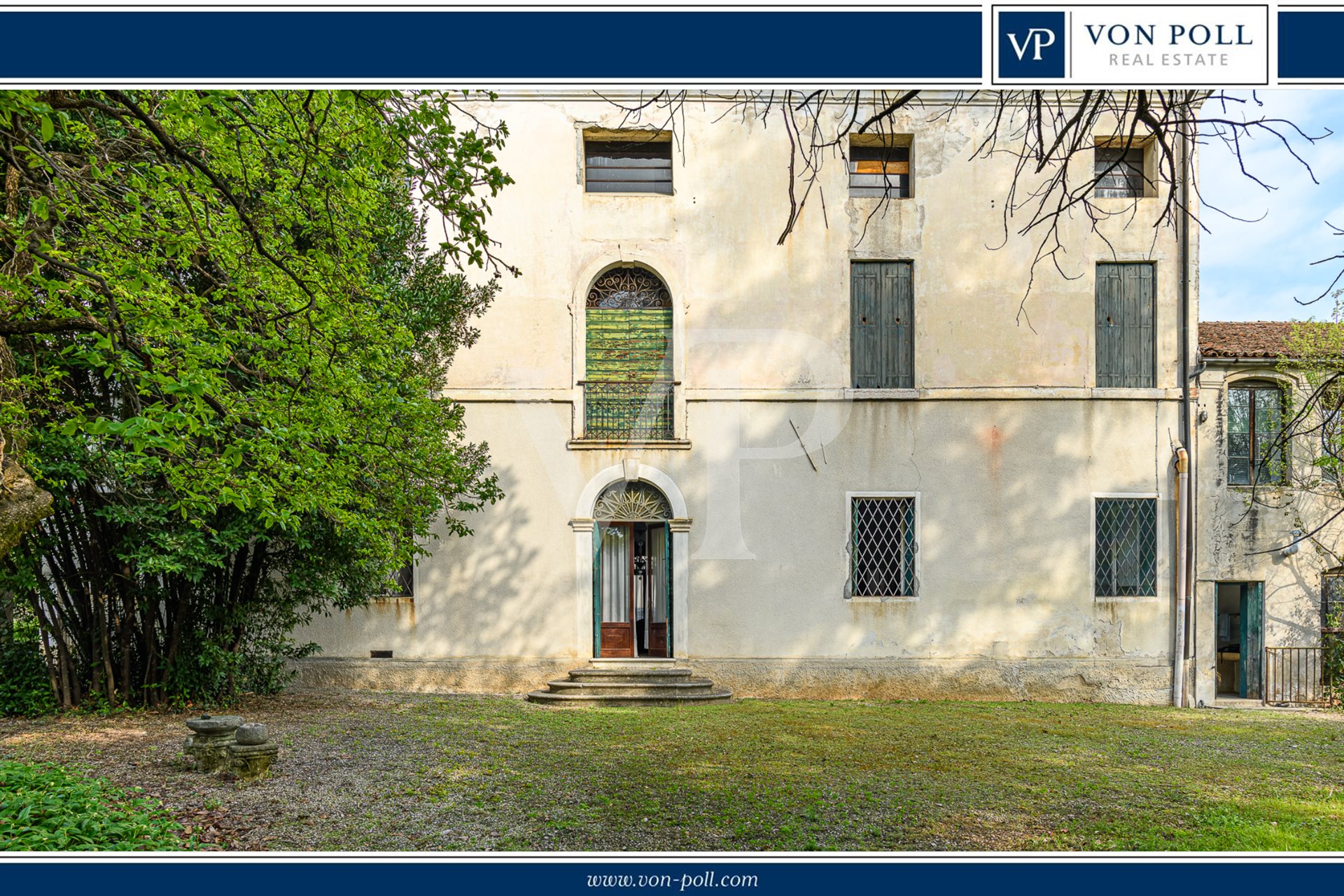
- What to check: dampness in old buildings, insulation, maintenance costs for terracotta roofs, historic center rules (ZTL).
- Life in the village: dynamic associations, music schools, hiking clubs—perfect for integration. 🚶♀️
Property pointers: budgets and buyer profiles
In the province of Treviso, well-connected towns like Castelfranco combine historic charm and services.
In the Padua area, recorded demand indicates a median price close to €218,000 for 138 sqm (≈ €1,580/sqm), a market often more accessible as soon as you move away from the most prized wine areas.
- Good to know: anticipate purchase fees, surveys, and possible energy upgrades for old properties.
- Budget tip: compare local taxes (IMU/TASI) and maintenance costs before settling on a location.
- Timing: markets more fluid outside the tourist season; visit early in the morning to assess light and humidity.