Good reasons to buy in Tuscany
High but stable prices thanks to international demand
Tuscany remains a solid and sought-after market. Supply is limited in popular areas, which supports generally stable prices, with a premium for renovated, well-located properties with outdoor spaces (garden, terrace, pool).
Negotiation margins remain tight, especially on turnkey properties. Rates are gradually normalizing in Europe, but local financing should be considered on a case-by-case basis. Also account for acquisition costs and possible compliance works (energy, safety).
- Steady international demand (second homes, relocations, rental investments).
- Rare supply in exceptional locations.
- High heritage value and very high-quality living environment.
- Good accessibility thanks to Florence and Pisa’s rail and air links.
Strong concentration of sales in the Florence-Siena-Pisa triangle
This is the beating heart of the market: culture, universities, services, tourist appeal, and connections facilitate transactions and resale.
- Florence: art and business hub, intense competition for renovated properties in Florence.
- Siena: medieval charm and quality of life, slower-paced and more residential (real estate in Siena).
- Pisa: air links and generally more accessible entry price than Florence (real estate in Pisa).
Reference budgets for 2026, based on Green Acres demand (second homes): Florence is around €7,600/m², Siena €2,370/m², Lucca ~€2,680/m², Arezzo ~€2,080/m², Pisa ~€920/m², and Massa‑Carrara ~€800/m².
In absolute value, the average « basket » is about €2.25M in Florence, €1.65M in Lucca, €1.61M in Siena, €910K in Arezzo, €396K in Pisa, and €51K in Massa‑Carrara. These gaps highlight the choices between prestige, space, and location.
The best places to invest in Tuscany
Prestigious areas
Chianti Classico, Val d’Orcia, Lucca: top-end properties
These iconic territories concentrate picture-postcard landscapes, historic villages, and exceptional properties. You’re buying a lifestyle as much as a home. 🍷
- Chianti Classico: vineyard hills, stone villages, panoramic views.
- Val d’Orcia: cypress rows, unique light, UNESCO atmosphere.
- Lucca: fortified town, understated elegance, lush countryside (real estate in Lucca).
Expect high standards: careful restoration, quality materials, landscaped grounds, privacy.
Villas, renovated farmhouses and wine estates
Flagship properties combine charm, size, and hosting potential. Wine estates add an agricultural and territorial branding dimension.
- Historic villas: spaciousness, parks, outbuildings.
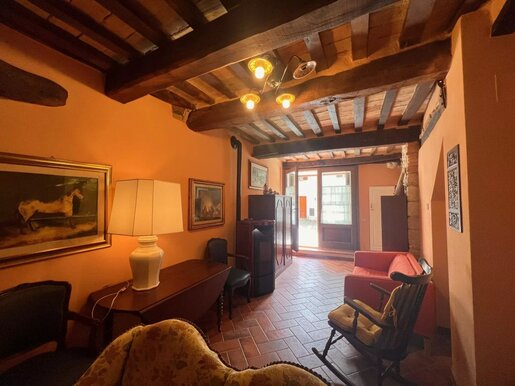
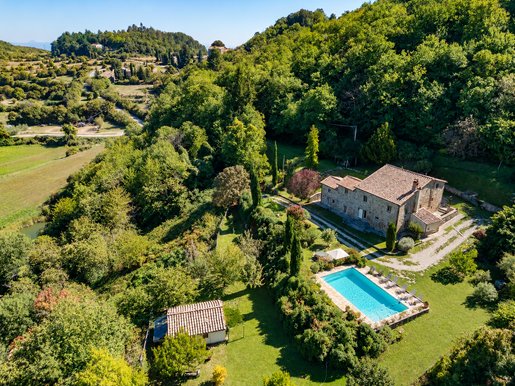
- Renovated farmhouses (casali): stone, beams, views, pool.
- Wine estates: vineyards, winery, brand, wine tourism circuits.
Points to check before buying:
- Town planning and land registry (extensions, outbuildings, pools, compliance).
- Access easements, water, and boundary marking.
- Energy, heating, wells, and sanitation.
- For wine: planting rights, appellations, equipment.
- Seismicity and technical diagnostics suited to the zone.
Affordable opportunities
Arezzo and Massa-Carrara: great value for money
Less publicized than Florence or Siena, these provinces offer an easier market entry, without missing out on Tuscan charm.
- Arezzo: pleasant historic center, surrounding hills, network of well-connected villages (real estate in Arezzo).
- Massa-Carrara: between the Tyrrhenian Sea and the Apuan Alps, offering a nature/sea compromise.
In terms of budget, requests show an average of ~€2,080/m² in Arezzo (average basket around €910,000) and ~€800/m² in Massa‑Carrara, reflecting a lower entry cost for often generous spaces.
Growing rental market for remote workers
Demand for mid-term stays (1–6 months) is rising, driven by remote work and families scouting for relocation.
- Sought-after properties: fiber/good internet, office, outdoor space, efficient heating.
- Attractive midsize towns: easy everyday life, controlled costs.
- Rental models: mid-term furnished, extended season, off-summer stays.
- Respect local rules (declarations, taxes, co-ownership).
Property types and buyers in Tuscany
Renovated agritourismos, city apartments, remote houses
Each type meets a different lifestyle or investment project. 💡
- Renovated agritourismo: welcoming, diversified income, must plan for operational management.
- City apartment: mobility, services, low maintenance, high liquidity.
- Remote house: peace, views, autonomy; plan for maintenance and access.
Tip: clarify your priority (residence, pied-à-terre, yield, mixed) to calibrate location, size, and renovation budget.
Continued strong appeal for foreign buyers
Lifestyle, heritage, and legal security continue to attract international buyers. Prospects remain bright in established areas, while secondary zones are gaining visibility.
- Key drivers: global image, scarcity of charming properties, quality infrastructure.
- To watch: energy performance, water/sanitation, maintenance costs, local regulations.
- Best practices: pre-qualification of municipalities, targeted visits, technical checks, forecasting expenses and rental plan.
Regarding buyer profiles, foreign demand is especially strong from the United States in Florence (~23%) and Siena (~21%), while Pisa attracts more buyers from Germany (~15%) and France (~11%), according to Green Acres data. These insights can help refine your resale strategy and rental positioning.