Living in a region at the edge of Portugal
Geographical isolation but strong local identity
Bragança is located in the far northeast of the country, on the Spanish border. Porto is several hours’ drive away, and Lisbon even farther. According to Green-acres data, the average listings visible on the site reach around €404,000 for Porto and €776,000 for Lisbon the capital, which gives an idea of the gaps between large urban centers and the rural north.
This remoteness feeds a singular Transmontane culture, proud of its roots and very community-oriented. People cultivate mutual aid, frugality and a sense of celebration. 🙂
Continental climate: harsh winters, hot summers
The climate is pronounced: cold winters (frequent frosts, sometimes snow), dry and hot summers. Temperature swings are significant.
Expect frequent minimums close to 0 °C in winter, and afternoons at 30–35 °C in summer. Well-insulated houses are a real plus.
A calm rural pace of life
Here, life is organized around markets, the seasons and small routines. People take time to talk and participate in local life.
Daily services are available, but not everything is « within easy reach. » A car remains useful for more specialized errands.
Bragança, both a medieval and modern town
The citadel and its castle overlooking the town
The historic center, ringed by walls, houses an impressive castle and the Domus Municipalis, a unique Romanesque civic building in Portugal. 🏰
Museums, cobbled alleys and viewpoints offer a lively backdrop where history blends with daily life.
University and student dynamism
The Polytechnic Institute of Bragança (IPB) attracts many students, including internationals. Cafés, libraries and events enliven the year.
Digital development is advancing, with coworking spaces and entrepreneurial initiatives, useful for remote projects.
A town looking towards neighboring Spain
The border is very close: exchanges, trade and culture flow naturally. Spanish is often heard in the streets.
Zamora and Puebla de Sanabria are common outings, as are trips to Salamanca. A welcome openness despite the distance from metropolises.
Traditions and Transmontana culture
Masks and Transmontano winter festivities
The famous winter masks punctuate the cold season, with processions and bell-ringing. The Caretos, emblematic of the region, are listed as UNESCO Intangible Cultural Heritage. 🎭
In Bragança, the Iberian Mask and Costume Museum helps to understand their symbolic meaning and rural roots.
Cuisine: fumeiro, chouriço and rustic dishes
The table is generous, based on mountain and livestock products. One finds smoky flavors and slow cooking.
- The fumeiro (cured meats and porco bísaro hams)
- The chouriço and alheira (regional specialty)
- The posta mirandesa, roasted kid, stews
- Chestnuts, Montesinho mushrooms, olive oil
- The wines of Trás-os-Montes, with a bold character
A deeply rooted folklore
In the east of the district, the Mirandese language coexists with Portuguese. Pauliteiros dance, Transmontano bagpipes, village festivals: a living heritage.
Joining the festivities is an excellent way to build lasting ties with the locals. 🤝
Nature and wide open spaces
Montesinho Natural Park
At the town’s doorstep, the park offers forests, moorland and clear rivers. You can spot roe deer, birds of prey and, more discreetly, the Iberian wolf. 🌄
The seasons transform the landscape: flowers in spring, coolness of the undergrowth in summer, blazing colors in autumn.
Isolated villages in the heart of the mountains
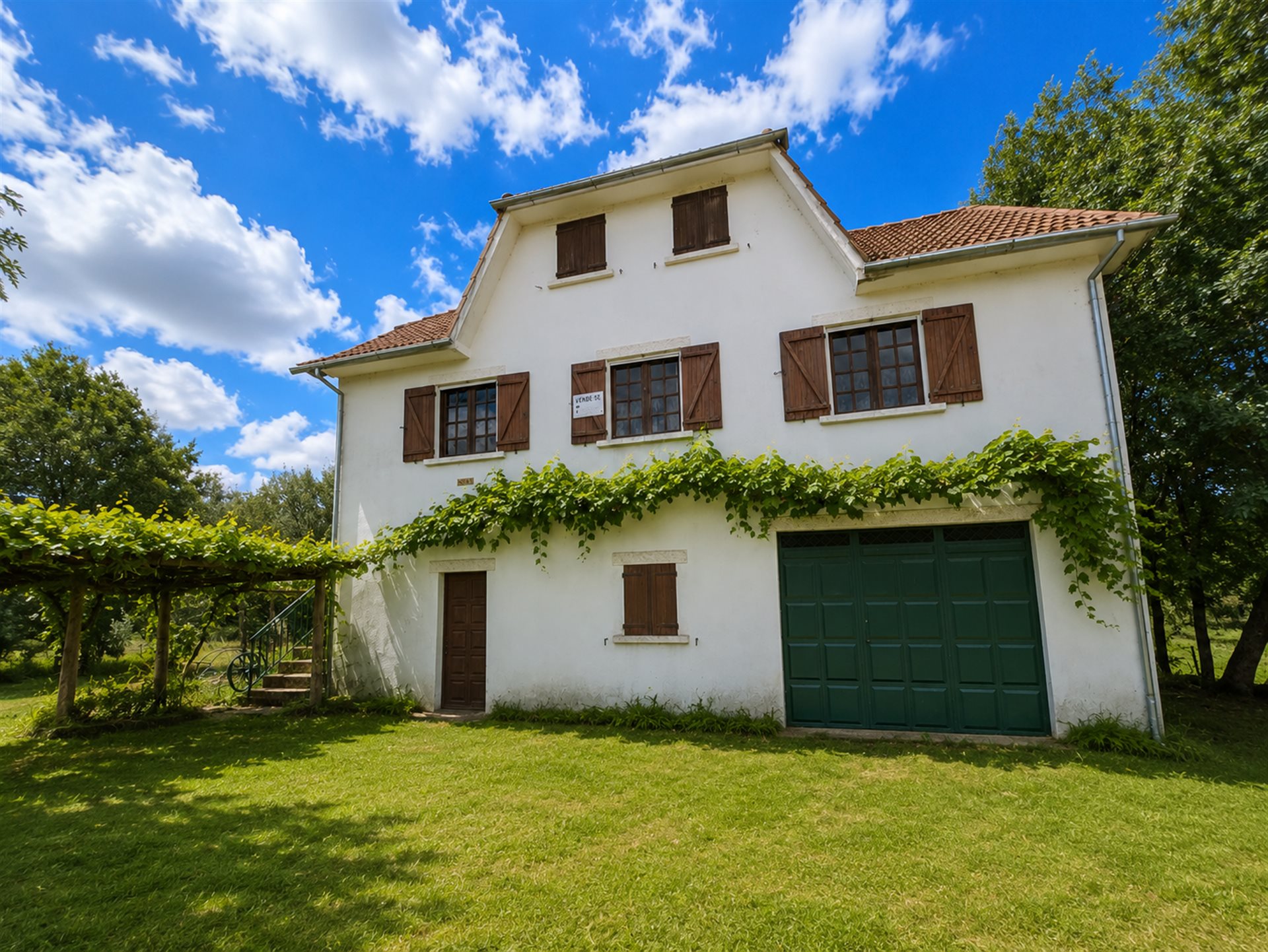
Many hamlets retain slate and granite architecture, with strong authenticity.
- Rio de Onor, a border village shared with Spain
- Gimonde and Montesinho in Bragança, gateways to the park
- Vinhais, known for its cured meats and landscapes
Hiking, hunting and wildlife watching
Waymarked trails (PR/GR), mountain biking and fish-rich rivers offer activities year-round. Local guides are valuable for getting off the beaten track. 🥾
Hunting and foraging (mushrooms, chestnuts) are subject to specific rules: check with the town hall or local associations.
Advantages and limitations of settling in Bragança
Very low prices and authentic quality of life
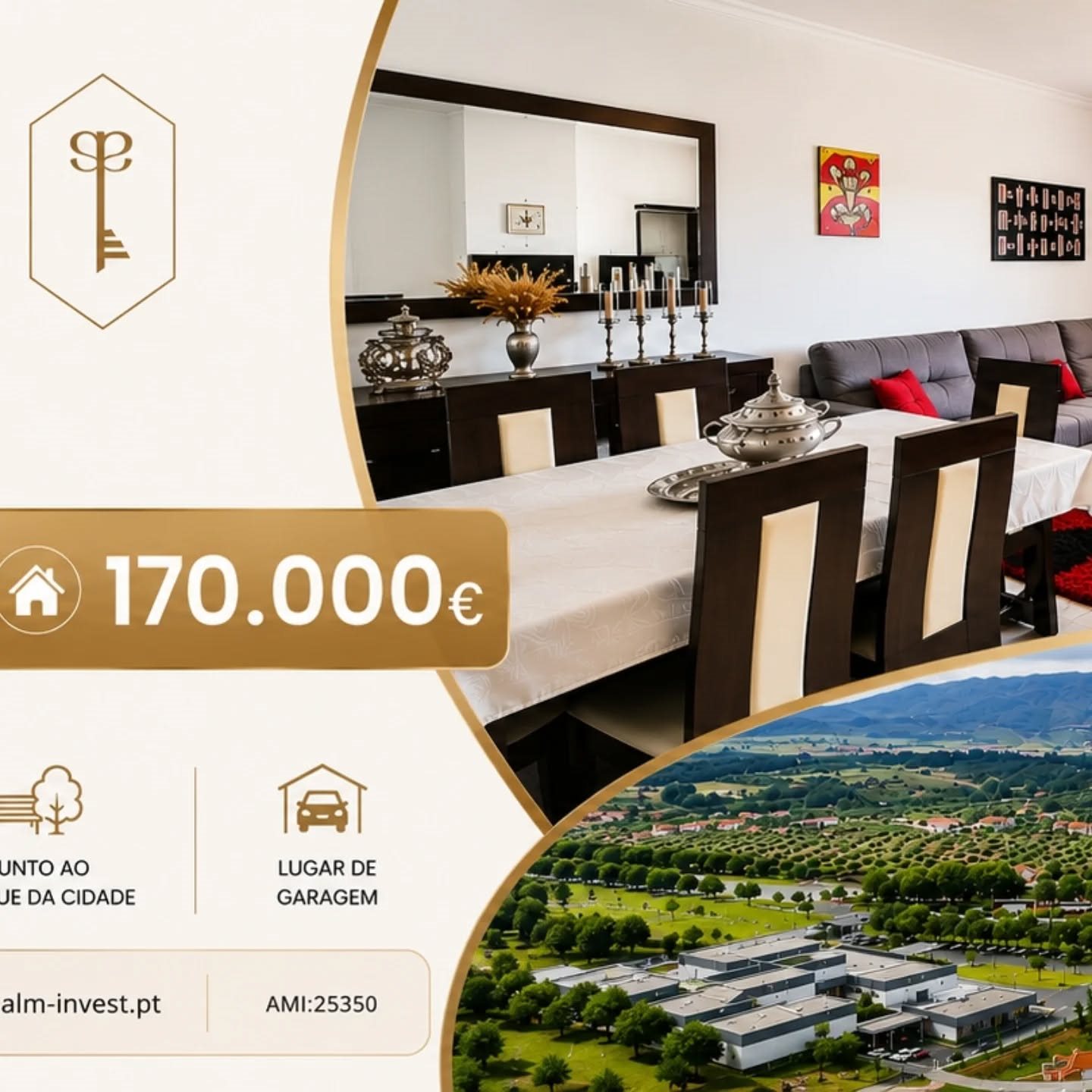
The real estate market remains affordable, with village houses, quintas and small farms often at attractive prices.
However, published data show that the gap with large cities is not always huge depending on the type of property sought; according to Green-acres, some listings in the neighboring district can reach comparable levels — particularly in areas sought after for holiday homes.
- Large open spaces, calm and nature in close proximity
- Moderate cost of living, seasonality of products
- Ideal setting for family projects, crafts or teleworking
Isolation, few specialized services
Specialized medical care, certain schools or specific leisure activities require travel. A car is almost indispensable. 🚗
- Long travel times to Porto or Lisbon
- Cultural offerings more concentrated during the university season
- Air connections far from major hubs
A region with a strong personality, but far from major centers
Bragança appeals with its authenticity, but requires adaptation: pronounced climate, rural pace, close-knit sociability.
- Spend time in winter and summer before deciding
- Check the insulation and heating of properties
- Test the internet connection and mobile coverage
- Take the time to meet neighbors and local associations