Barcelos: birthplace of the Portuguese rooster
About 25 minutes from Braga, Barcelos charms with its hills, gardens and historic center. It is the artisanal heart of Minho, known for its ceramics and its famous rooster. 🐓
- Friendly atmosphere all year round
- Easy access by train and car
- Good balance between dynamism and village life
Its renowned weekly market
Every Thursday, the Feira de Barcelos livens up the town. You can find local produce, baskets, pottery and textiles.
- Arrive early to avoid the crowds 🧺
- Favor local producers (short supply chains)
- Bring cash: some stalls do not accept cards
Crafts and colorful ceramics
Open workshops, hand-painted pieces, naive figurines… Folk art can be seen directly at the artisans’ workshops. A purchase that supports centuries-old craftsmanship. 🎨
A national symbol of Portugal
The Galo de Barcelos comes from a medieval legend: a rooster supposedly proved a pilgrim’s innocence by crowing. Today it embodies Portuguese luck and hospitality.
Guimarães: birthplace of Portugal
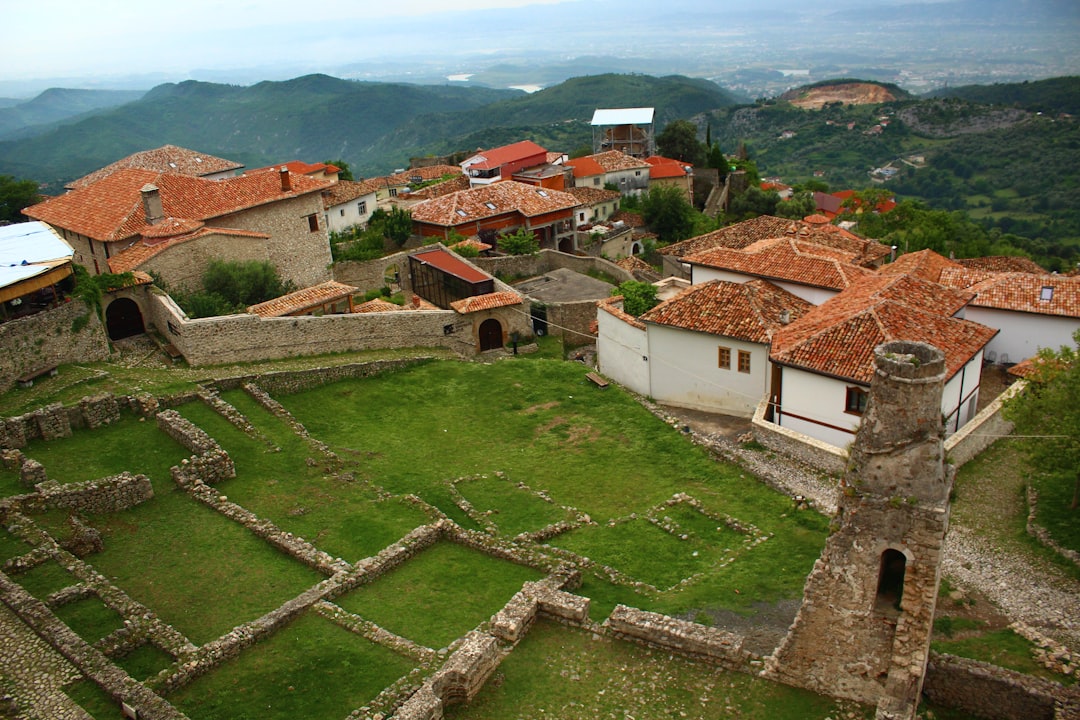
Less than 30 minutes from Braga, Guimarães blends heritage and creativity. A city of kings, a city of students, it remains one of the best-preserved medieval towns in Europe. 🏰
- Historic urban setting, very lively
- Rich cultural offer all year round
- Quiet neighborhoods just a stone’s throw from the center
Castle and Palace of the Dukes of Braganza
The castle overlooks the town from its promontory. Right next to it, the palace of the Dukes of Braganza reveals Gothic rooms and collections.
- Combined ticket recommended
- Panoramic viewpoint at the top
UNESCO-listed historic center
Listed since 2001, the center blends granite, wooden balconies and shaded squares (Largo da Oliveira, Praça de Santiago). An open-air history book.
A lively, vibrant medieval town
Craft workshops, cafés, music venues, festivals (Gualterianas in summer): the city lives to the rhythm of the seasons. Ideal for a pedestrian-friendly, convivial everyday life.
Ponte de Lima: charm of Portugal’s oldest town
Founded in 1125, Ponte de Lima breathes calm on the banks of the Lima River. Gardens, cobbled streets and Vinho Verde wine serve as a backdrop. 🌉
- Bucolic and romantic atmosphere
- Numerous parks and riverside walks
- Fairs and festivals renowned throughout the Minho
Medieval bridge over the Lima River
The bridge combines medieval arches and Roman heritage. At sunset, the light enhances the landscape — perfect for a photo walk.
Fairs and traditional festivals
Don’t miss the Feiras Novas in September and the International Garden Festival (spring–autumn). Tradition comes alive in the streets. 🎉
A bucolic and romantic setting
Tree-lined banks, decorative azulejos, waterside terraces: a peaceful way of life that appeals to families and remote workers seeking nature.
Vila Verde: traditions and greenery
Just a short distance from Braga, Vila Verde brings together agricultural villages, meadows and orchards. The lenços dos namorados, embroideries with love messages, are still kept alive there. 💚
- Authentic rural life, close to Braga’s services
- Granite houses and renovated farms
- Network of trails and banks of the Cávado
Farming villages and green landscapes
Small hamlets, vegetable gardens, cows in the meadow: the Minho countryside in all its simplicity. Perfect for a slower pace.
Customs linked to local festivals
Between February and March, the Namorar Portugal program celebrates the art of embroidery. Throughout the year, romarias and markets enliven the parishes.
Proximity to Braga without losing authenticity
Allow 15–20 minutes to reach Braga. An advantage for working in the city while living in the countryside.
Green villages of Minho to discover
Want to go further? Here are three natural areas to explore, between mountains, vineyards and the ocean.
Terras de Bouro and the Gerês park
Portugal’s only national park, Peneda‑Gerês, offers waterfalls, waymarked trails (PR), thermal springs and garranos horses. 🥾
- Family walks and challenging hikes
- Remains of the Roman road Geira
- Ecotourism: respect the trails and wildlife
Amares and its vineyards
Between the Cávado and Homem rivers, Amares lines up quintas, orange groves and Loureiro vines. Tastings and agrotourism are on offer. 🍇
- Manor houses, farms and small properties
- Rendufe monastery and rural chapels
Esposende and its Atlantic beaches
North of Porto, Esposende unfolds protected dunes, pinewoods and long beaches (Ofir, Apúlia). Perfect for surfing or kiteboarding. 🌊
- North Coast Natural Park
- Cycling paths and seaside promenades
Practical tips for visiting and settling in
- When to go: spring and early autumn for mild weather.
- Getting around: a car is practical; regional trains to Barcelos and Guimarães; buses to Ponte de Lima.
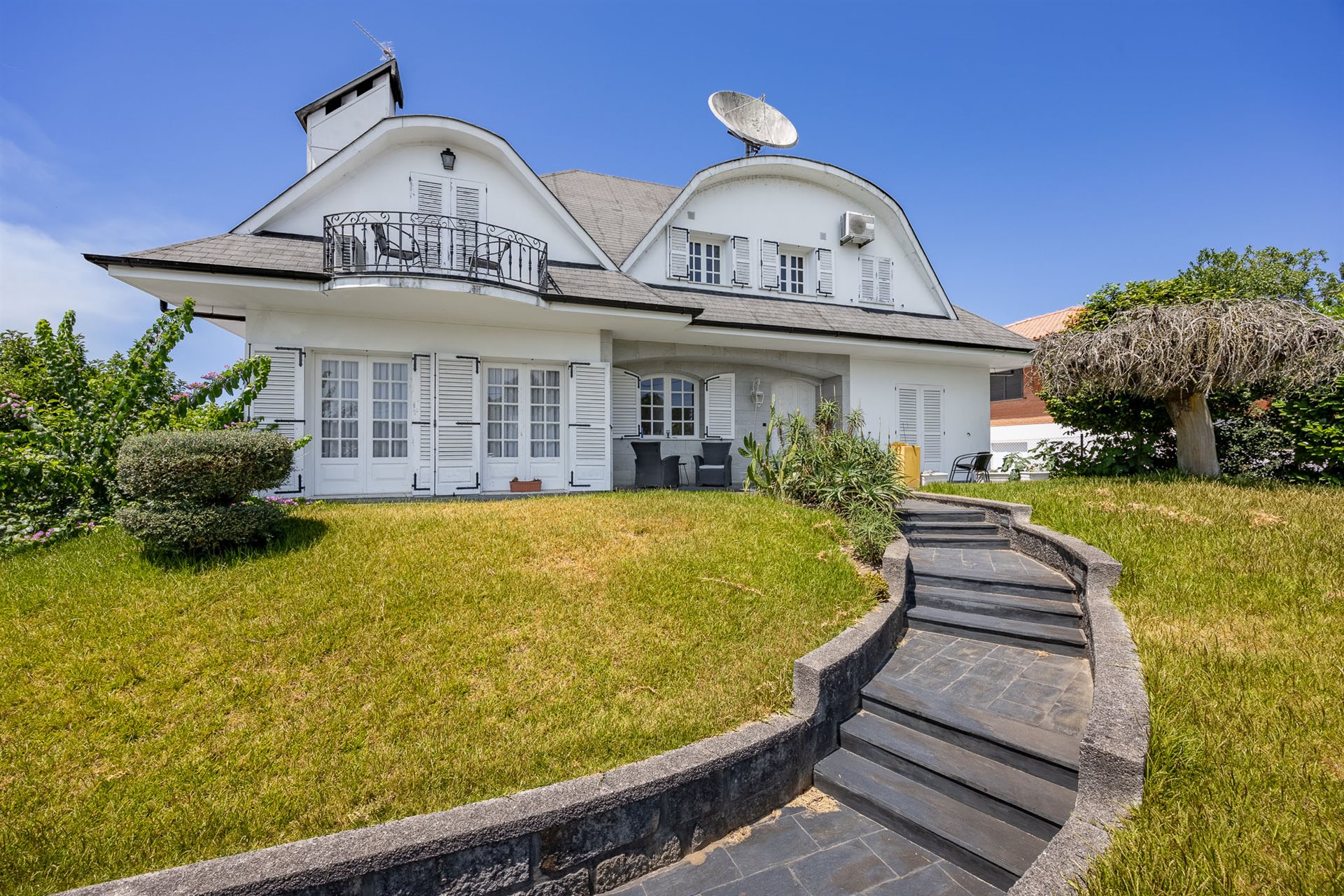
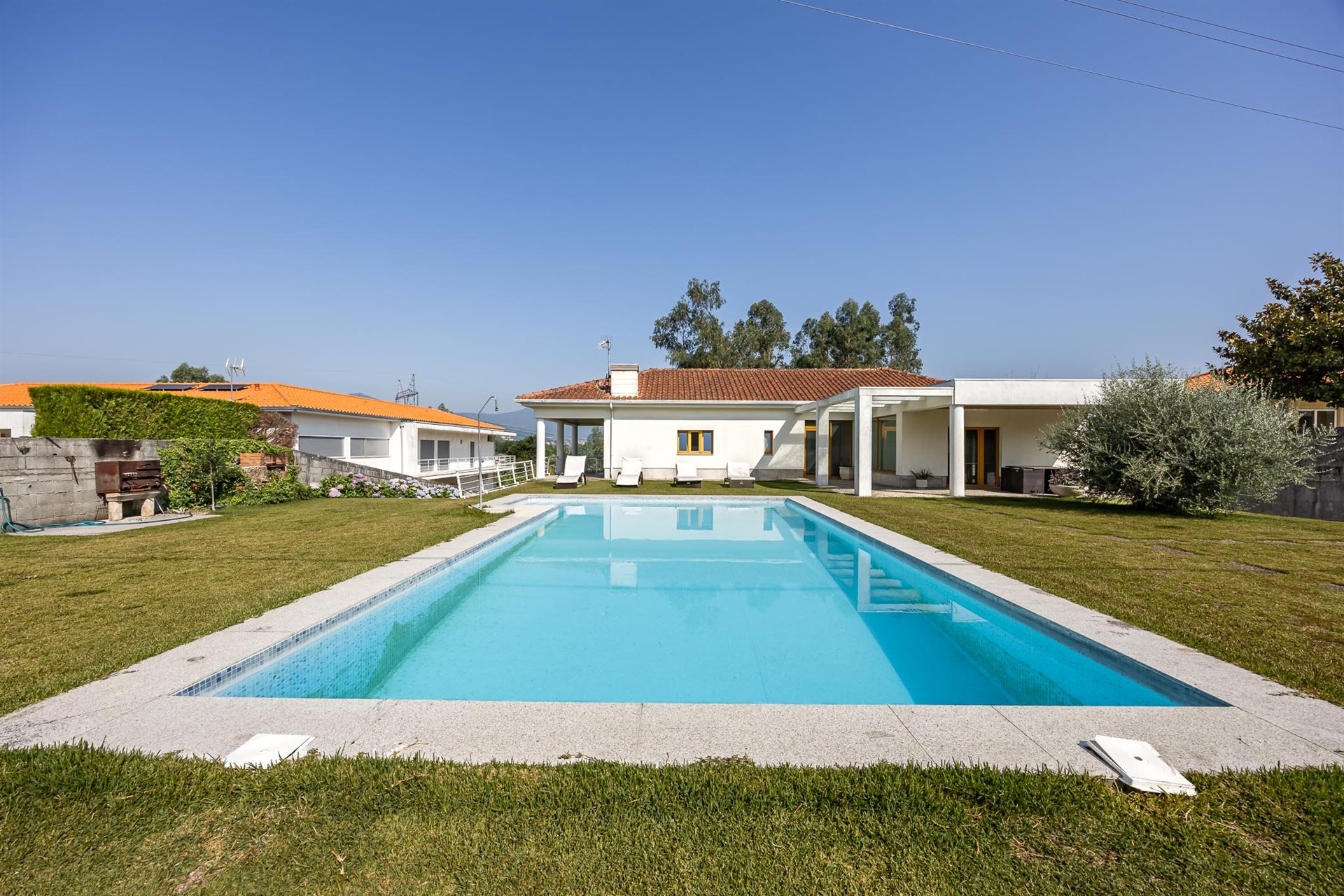
- Property types: granite houses, quintas with land, apartments in historic centers, cottages by the rivers.
- What to check before buying: structural condition, damp, energy performance, planning permissions, heritage constraints, flood risk near the Lima or the Cávado.
- Cost of living: generally more affordable than in Lisbon or Porto, with an excellent quality of life.
- Local data indicate that, for Braga, foreign buyers are mainly American (25%). In the Viana do Castelo district, France accounts for 24% of inquiries.