Rio de Onor: a village shared between Portugal and Spain
Schist houses and communal traditions
Nestled in a valley, Rio de Onor charms with its slate houses with wooden balconies and by its still-visible communal practices. 🏡
- Shared ovens and mills, collective irrigation, seasonal mutual aid.
- Small vegetable gardens, drying sheds and sheepfolds around the hamlet.
- Guesthouses and bed & breakfasts to immerse yourself in everyday local life.
To know for a project: the old buildings lend themselves to modest renovations; local rules encourage the preservation of traditional materials.
A unique cross-border identity
Facing Rihonor de Castilla on the Spanish side, the village lives to the rhythm of a friendly border. You change language in a few steps without changing habits. 🧭
- Market exchanges, joint festivals, family ties on both sides.
- Easy walks along the Onor river and rustic bridges.
Preserved cultural heritage
Rio de Onor is part of a network of regional ecomuseums that highlight traditions and know-how.
- Guided visits, craft workshops, local oral memory.
- Ideal to understand the transmontane communal way of life.
Montesinho: heart of the natural park
Traditional stone houses
In the Montesinho Natural Park, the eponymous villages line up granite and schist houses, dark roofs and wooden balconies.
- Discreet renovations, thermal efficiency, respect for volumes.
- Small squares, chapels and fountains punctuate the space.
An exceptional natural setting
Here, chestnut groves, moorland and valleys shelter remarkable biodiversity. Deer, raptors and traces of the Iberian wolf testify to an intact nature. 🌲
- Network of waymarked trails, viewpoints and clear rivers.
- Local products: honey, chestnuts, cheeses.
To know when settling: living in a natural park involves specific permits for works and sanitation.
Timeless village atmosphere
The pace is rural, with vigils, patron saint festivals and agricultural cycles that structure the year.
- Simple hospitality, supportive neighbours, real tranquility.
- Plan for seasonality: cold winters, dry summers.
Vinhais: terroir and gastronomy
Capital of the fumeiro (smoked charcuterie)
Vinhais is famous for its fumeiro, smoked charcuterie made notably from the bísaro pig. 🐗
- Fumeiro Fair (in winter): tastings, demonstrations, traditional recipes.
- Key products: alheiras, chouriços, hams, chestnuts.
Fairs and rural traditions
The local calendar mixes markets, agricultural festivals and convivial gatherings.
- Ideal for those looking for rooting in village life.
- A lifestyle oriented towards food self-sufficiency.
Rustic houses typical of Trás-os-Montes
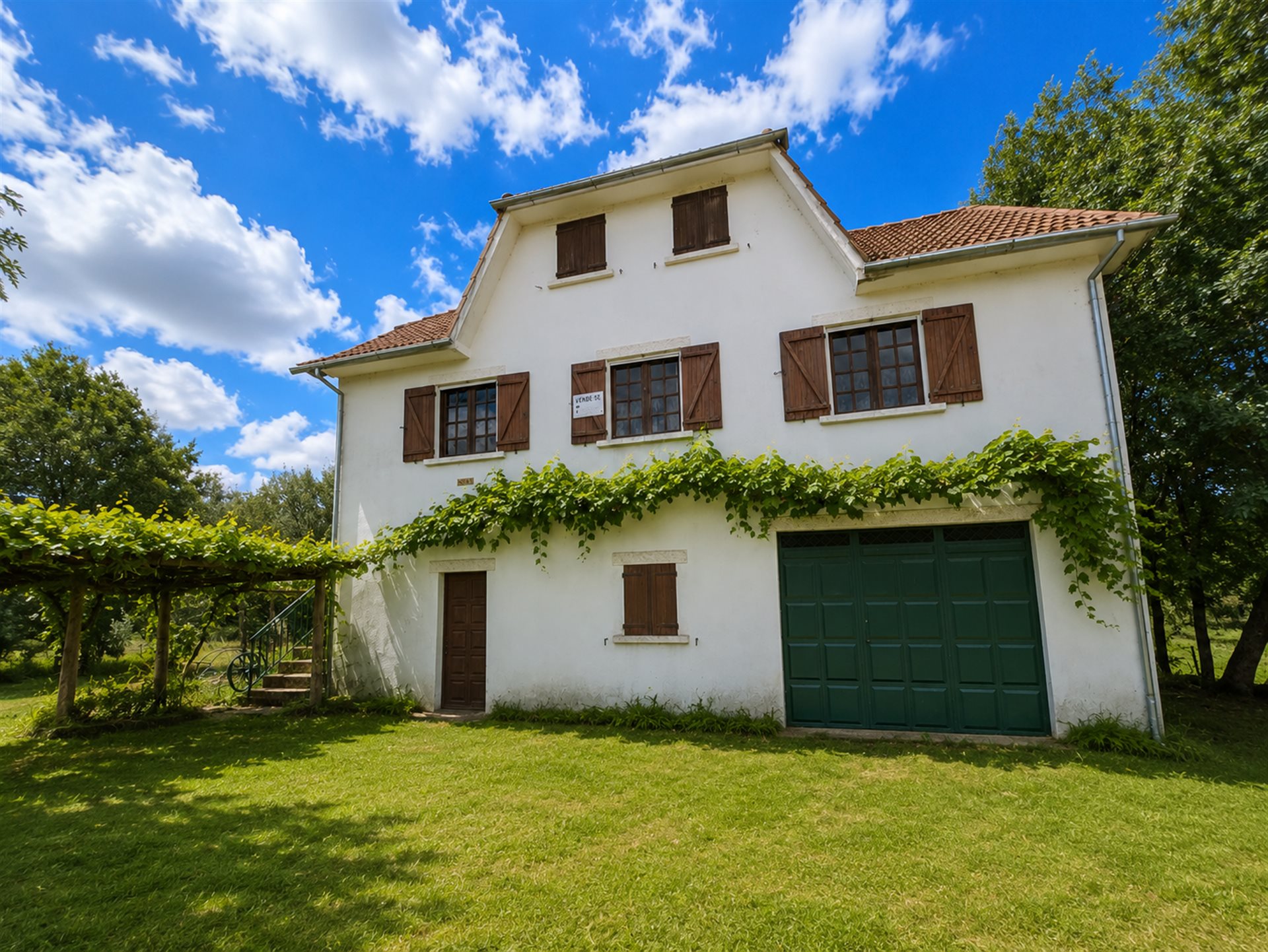
Granite lintels, attached barns, paved courtyards: a simple, robust and warm built heritage.
- Many opportunities for rehabilitation.
- Pay attention to insulation, heating and water.
Torre de Moncorvo: medieval and mining heritage
Former iron mining centre
Around Torre de Moncorvo, iron extraction has shaped landscapes and trades.
- Museums and themed routes on mining history.
- Ecotrail on former railway lines, ideal by bike.
Picturesque lanes and historical heritage
The old town reveals narrow streets, stately houses and an imposing church.
- Wrought-iron balconies, lively little squares, traditional cafés.
- In spring, the almond trees in bloom light up the slopes. ✨
Traditional and lively atmosphere
Between local shops and events, local life is active while keeping its charm.
- Good compromise for a pied-à-terre with services.
- Easier access towards the Douro and major roads.
Other emblematic villages of Bragança
Alfândega da Fé and its mountain landscapes
Perched village, almond and olive orchards, wide panoramas.
- White houses and granite, balcony trails.
- Local products: olive oil, almonds, fruits.
Mogadouro and its medieval castle
Fortress, viewpoints, plateau Transmontano atmosphere.
- Rural markets, pastoral traditions.
- Starting point to explore the Douro gorges.
The listings show an average around €182,000 for often generous sizes (≈198 m²), a useful benchmark for those looking for a house to rehabilitate.
Freixo de Espada à Cinta and its textile craft
Between the Douro and cliffs, Freixo continues weaving and fine embroidery. 🧶
- Artisan shops, workshops and unique pieces.
- Manueline architecture and narrow streets with discreet charm.
Advice: for each village, find out about easements, renovation rules and local rehabilitation aids. A visit off-season also helps to test accessibility and climate.
Data derived from listings visible on the Green Acres site: they serve as an order of magnitude and should be confirmed with visits and inspections.