Monsanto : the granite village sculpted by time
Houses integrated into the rocks
At Monsanto, architecture follows the terrain. Homes lean against huge blocks of granite, sometimes literally embedded in them. The result is spectacular and perfectly suited to the climate.
- Gently sloping paved lanes, shaded by the rocks.
- Doors and lintels carved, witnesses of an ancient craft.
- Peaceful village atmosphere, even in high season.
For those considering a second home or a renovation, offers and market benchmarks are available online.
Exceptional panorama over the plain
Climb up to the ramparts for a 360° viewpoint over the Idanha plain. At sunrise or sunset, the light enhances the relief. 📸
- Castle viewpoint: vast horizon.
- Hermitage of São Miguel: ideal stop to catch your breath.
- Marked trails for loops of 30 to 90 minutes.
A strong and unique identity
Once elected « aldeia mais portuguesa », Monsanto cultivates a proud identity. Traditional festivals, local products and hospitality make it a lively place, far from mere scenery.
- Taste goat cheeses, sourdough bread, regional sausages.
- Prefer visiting on weekdays for more tranquility.
Idanha-a-Velha : Roman and medieval heritage
Ancient ruins and religious heritage
On the former Roman Egitânia, Idanha-a-Velha layers basilicas, walls and rural houses. the primitive cathedral and the fortified tower testify to a dense past.
- Bridge and stretches of ancient road.
- Churches and chapels soberly restored.
- Golden stone and silence striking.
If the idea of a historical pied-à-terre appeals to you, check the local listings to get an idea of the types offered.
Remarkable archaeological remains
The density of discoveries is impressive: inscriptions, votive altars, bas-reliefs. An interpretation center helps decode the historical layers.
- Short routes for families.
- Bilingual explanatory panels.
- Small shops selling honey and local olive oil.
Timeless atmosphere
Here, the pace is slow. Barely passable lanes, vegetable gardens behind the walls, cicadas in summer: everything invites you to slow down. 🌿
- Best light: mid-season (spring, autumn).
- Bring water, few shops open continuously.
Penamacor : on the border with Spain
Castle and medieval walls
Perched on a spur, the fortress watches over the border. The remains of towers and curtain walls still outline the defensive profile of the town.
- Easy access from the main square.
- Viewpoint over the Serra da Malcata.
- Panels about the border history.
Traditional houses preserved
The town mixes schist and granite, wooden balconies, hidden patios. It is a fine example of preserved rural urbanism.
- Craft workshops (wood, basketry, confectionery).
- Weekly market with products from the sierra.
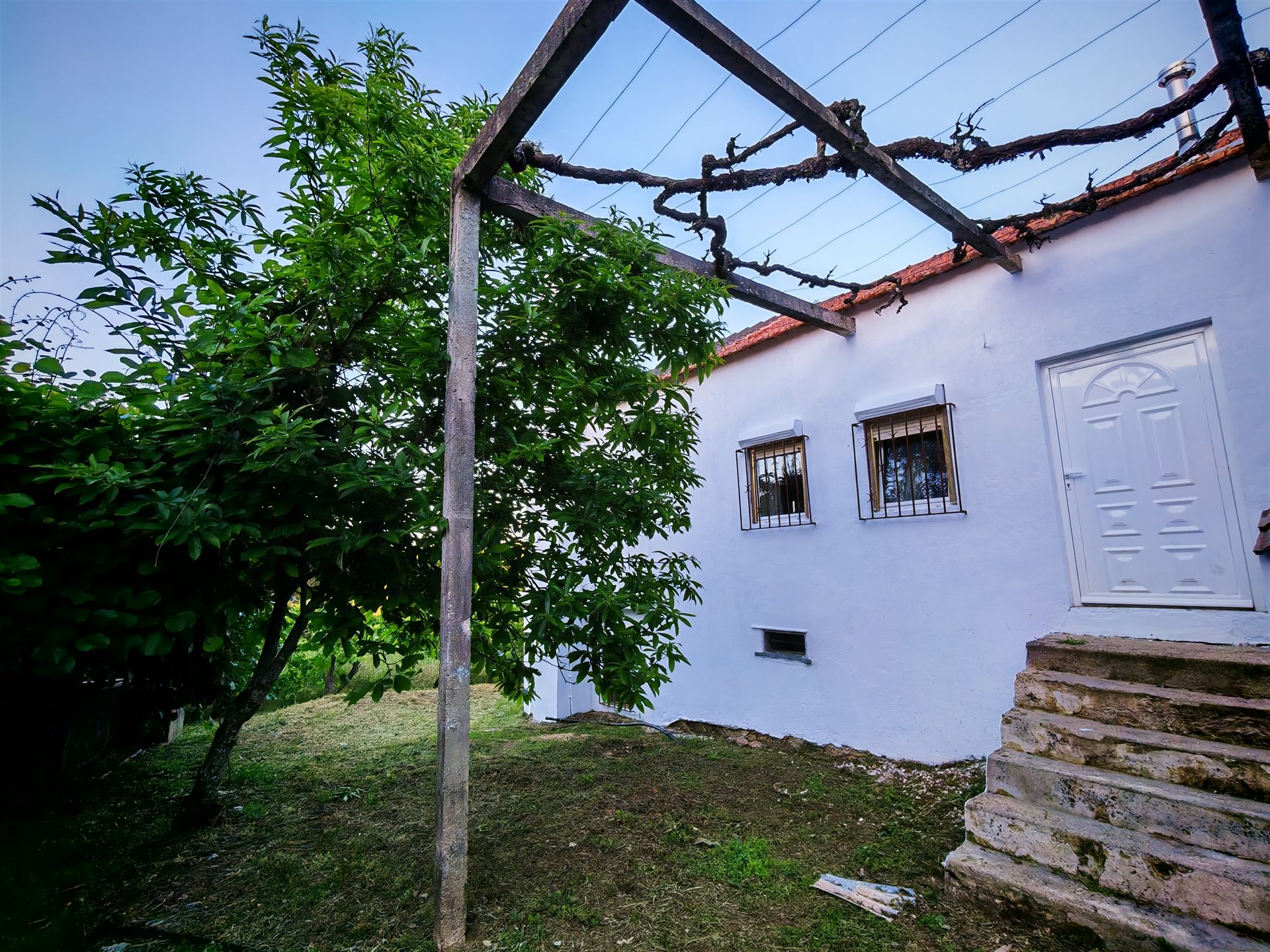
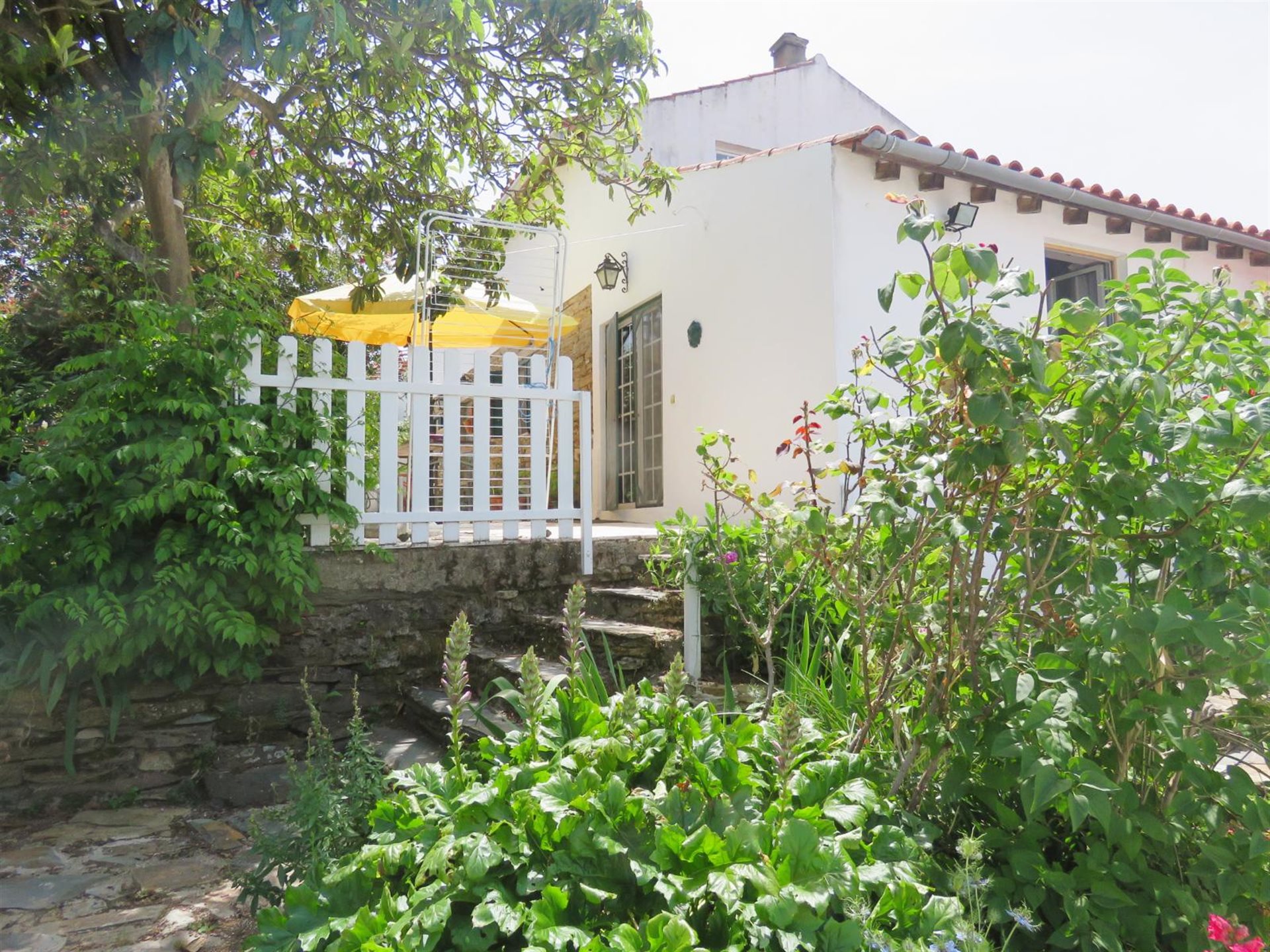
On the local market, the figures illustrate the potential: the average of requested properties in Penamacor (source Green Acres) shows very affordable prices — around €41,000, for often generous areas (≈ 316 m²), i.e. an average price per m² close to €130/m² — an attractive context for renovation projects or guesthouses. Find the houses for sale in Penamacor.
Borderland and rural atmosphere
The proximity to Spain influences the gastronomy and festivals. The backroads lead to farming hamlets, ideal for hiking.
- Marked cross-border routes.
- Malcata nature reserve: wildlife and flora to observe. 🦅
Belmonte : birthplace of explorers
Birthplace of Pedro Álvares Cabral
Belmonte claims the birthplace of the explorer who reached Brazil. The castle, transformed into a museum space, recounts the Portuguese maritime epic.
- Statue and educational trail about Cabral.
- Historic center easy to explore on foot.
Jewish heritage and museums
A Jewish community endured here for centuries. Contemporary synagogue, Jewish museum and memory houses form a major cultural itinerary.
- Museum of Discoveries and rural ecomuseums.
- Local guides available in several languages.
Explore the real estate offers in this historic area.
A growing tourist momentum
Charming accommodations, sincere restaurants, events. Belmonte combines history and services, without losing its soul.
- Perfect for a « slow travel » weekend.
- Many activities for families.
Hidden villages of Beira Baixa
Rosmaninhal and its natural landscapes
At the gates of the Tejo Internacional natural park, Rosmaninhal attracts nature lovers. The banks of the Tagus welcome birdwatching and walks.
- Equipped viewpoints, including one accessible.
- Best season: spring for the blooms.
Alpedrinha, between mountain and heritage
Backed by the Serra da Gardunha, Alpedrinha lines up village palaces, fountains and cultivated terraces. The air is fresh and the lanes full of character.
- Pastoral festival and concerts in late summer. 🎶
- Local products: chestnuts, cold cuts, spring waters.
Castelo Novo and its medieval lanes
A member of the Historic Villages, Castelo Novo offers a perfect granite square, a carved pillory and photogenic alleys.
- Town hall and period fountain.
- Hiking loops starting from the village.
Practical advice for exploring and settling
When to go and how to get around
Favor April-June and September-October. Rent a car to link the villages with flexibility.
- Picturesque but winding secondary roads.
- Plan non-slip shoes for the cobbles.
Budget ideas and real estate project
Prices remain attractive compared to coastal areas. Stone houses sometimes require work, but offer remarkable potential.
- Check insulation and wall dampness.
- Anticipate permits in protected areas.
- Favor local craftsmen for renovations.
At the scale of the Castelo Branco district, foreign buyer interest is notable: according to Green Acres data, foreign inquiries come mainly from Israel (≈ 27 % of foreign inquiries), with a median price observed around €125,000 and median areas close to 107 m² — useful benchmarks for those undertaking a purchase project.