The Regions of Continental Portugal
The North (Norte)
The north of Portugal is a green region, intersected by mountains and valleys, vineyards, and natural parks. The Douro region offers some of the most beautiful landscapes in the country, with its carved valleys and terraced vineyards.
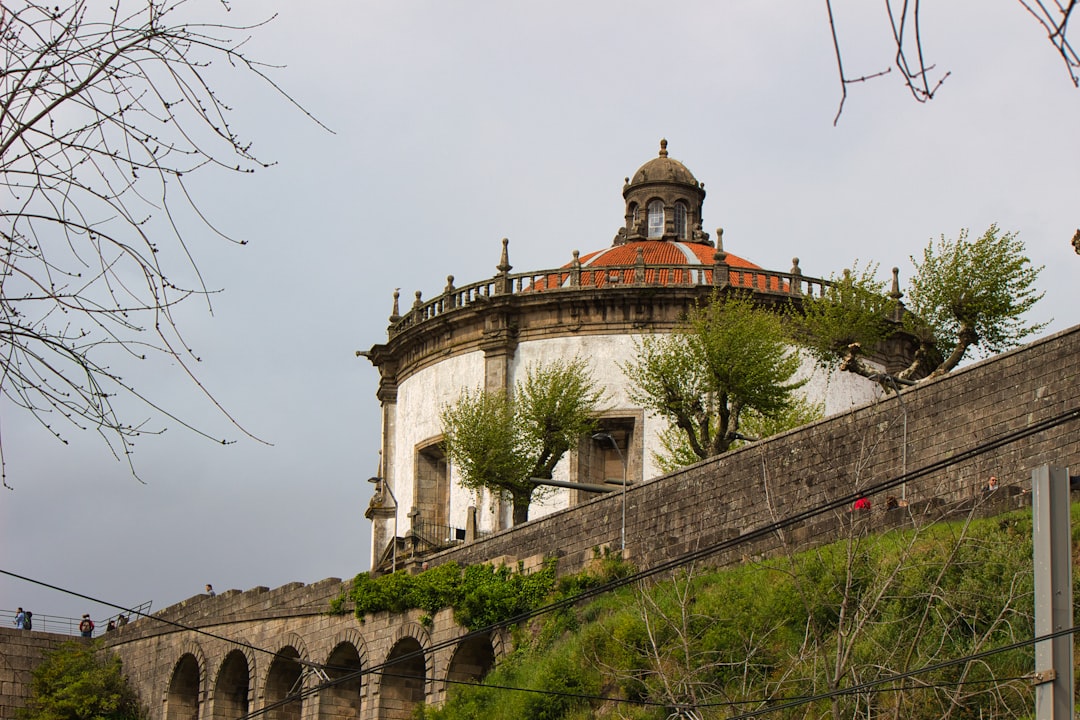
The largest city in the region is Porto, one of the most beautiful in the country! Famous for its eponymous wine and its picturesque city center, the Ribeira district, classified as a UNESCO World Heritage Site, Porto combines a relaxed lifestyle, traditions (especially with numerous Port wine producers), and architectural beauty.
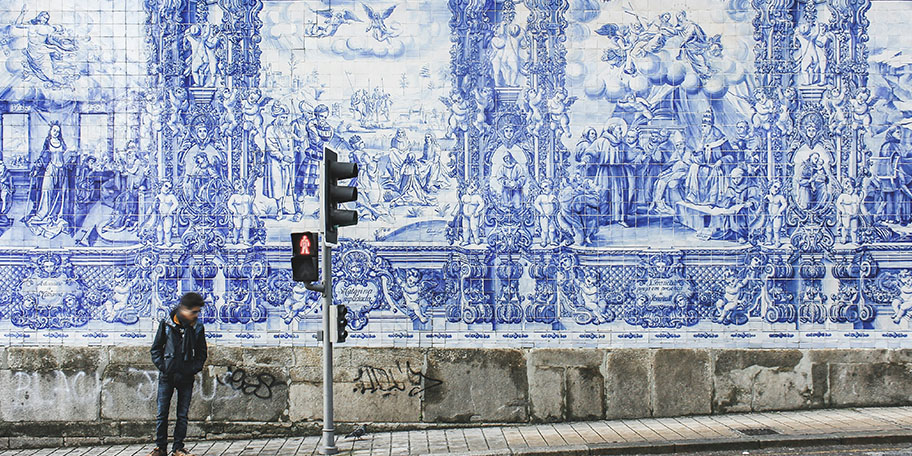
Between Porto and its iconic azulejo facades, the verdant vineyard landscapes of the Douro Valley, the superb Costa Verde, the Peneda Gerês park in the mountains, and the typical villages steeped in the oldest traditions of the country, the north of Portugal has a unique charm! While it may rain a bit more than in the south, the region is truly charming, and many people choose to settle there!
Central Portugal
The Center of Portugal is a region of contrasts, housing both rugged mountains and fine sandy beaches. The historic cities of Coimbra, with its famous 800-year-old university, Aveiro, nicknamed the « Venice of Portugal, » Óbidos, and Costa Nova with its pretty striped houses are must-sees.
Here, in the central region of Portugal, you will find one of the largest waves in the world! Surfers from around the globe come to Nazaré to face the gigantic waves, a spectacle that is both grandiose and frightening!
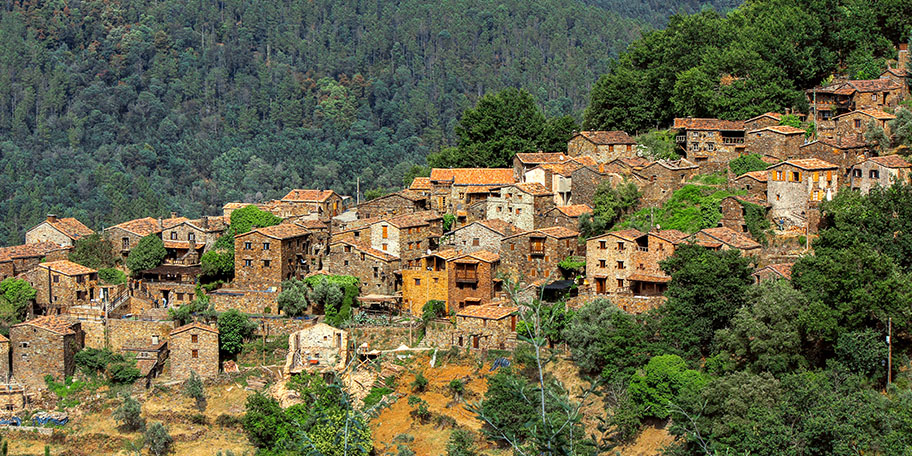
The region is also known for its schist villages, rural landscapes where the houses blend into the verdant nature, where time seems to have stopped.
In the center, you will also find Serra da Estrela, the highest mountain range in Portugal, offering sumptuous snowy landscapes not typically associated with Portugal!
Finally, the center is famous for its monastery route, which passes through Alcobaça, Batalha, and the must-see Convento do Cristo in Tomar, the former residence of the Templars and a masterpiece of the Manueline style, very emblematic of the country…
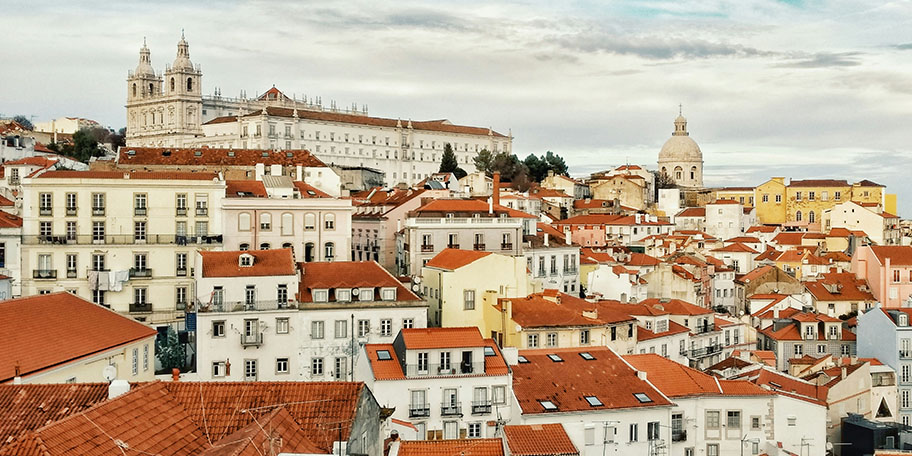
Lisbon
The Lisbon region, the capital of Portugal, is a vibrant mix of modernity and tradition. With its hills dotted with historic districts like Alfama and Bairro Alto, its iconic landmarks such as the Tower of Belém and the Jerónimos Monastery, and its cosmopolitan atmosphere, Lisbon charms visitors from all walks of life. The Tagus Valley, surrounding the capital, is famous for its vineyards and charming rural landscapes.
But the capital isn’t everything: about 30 km to the north, in Sintra, you can discover magnificent palaces and their whimsical gardens, filled with secret passages and nestled in a surprising jungle that only grows here, in the mysterious mist of the Sintra mountains.
To the south are some of the most beautiful beaches in the country (or the continent?), endless stretches of calm, cool water along a still-wild coast.
In short, Lisbon has it all: the city, the history, the modernity, the party scene, but also authenticity, traditions, charm, and a relaxed lifestyle!
Alentejo
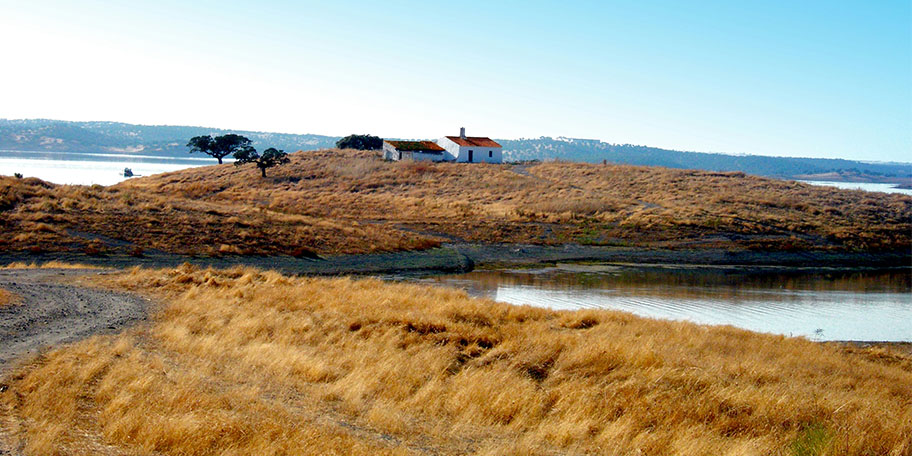
Alentejo, located south of Portugal, is a more rural, gentle region, characterized by vast golden plains, rolling hills, and picturesque villages with whitewashed houses.
From the Spanish border to the coast, the region offers a multitude of fortified hilltop villages, providing both bucolic strolls through their bright streets and unique panoramas of the region. Évora, the most emblematic city of the region, is a must-see: its historic center, classified by UNESCO, is a charming ensemble of streets surrounded by beautiful Roman walls.
Alentejo is also known for its robust wines, traditional cuisine, and peaceful pace of life. The wild beaches of the Alentejo coast offer an ideal setting for escapes far from the crowd.
The Algarve
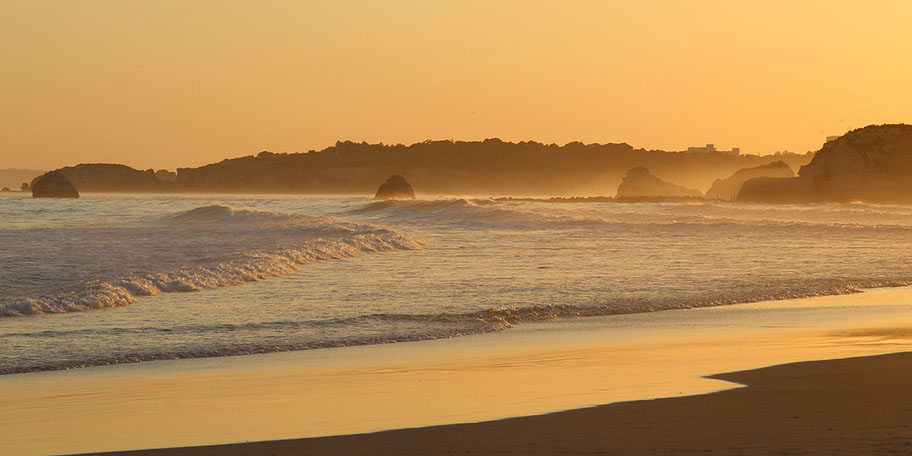
Algarve, the southernmost region of Portugal, is famous for its beautiful beaches, golden cliffs, astonishing rock formations, soft and festive atmosphere, and sunny climate. Cities like Faro, Lagos, and Albufeira attract visitors from around the world, enchanted by the crystal-clear waters and spectacular landscapes that abound in the region. The hinterland of the Algarve, with its traditional villages and fields of almond and olive trees, offers another side of this region, more authentic and quieter.
The Portuguese Islands
Madeira
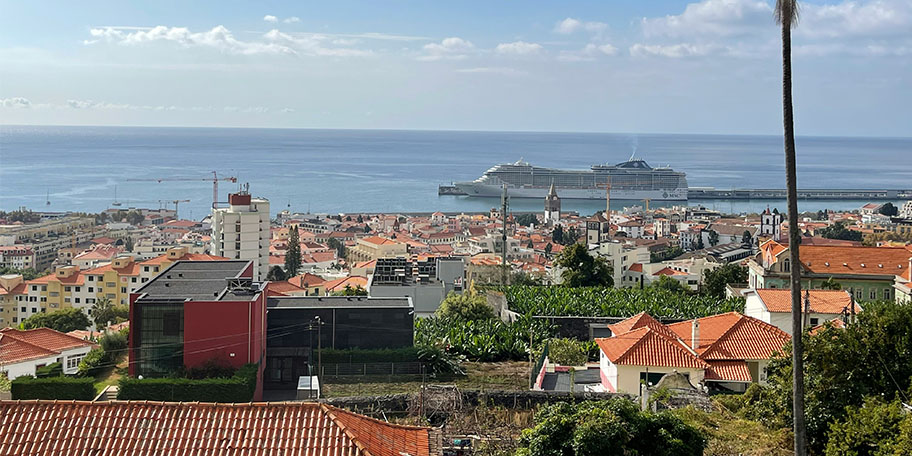
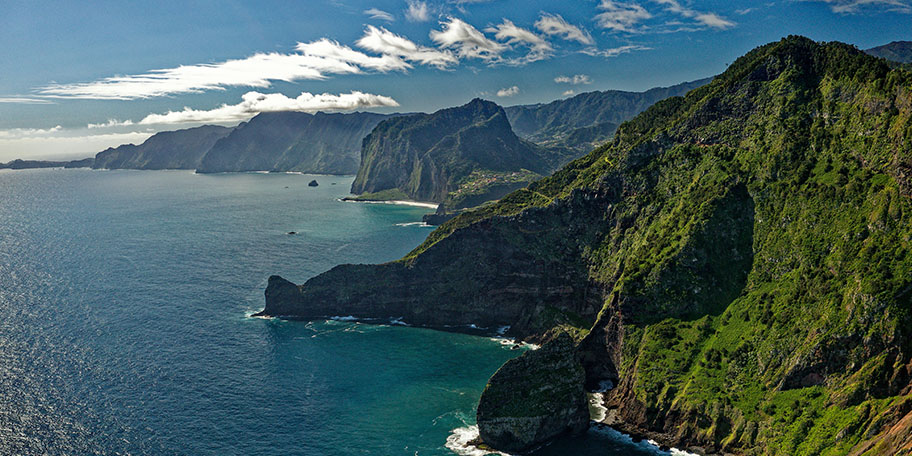
Located off the African coast, Madeira is a true natural paradise, often called the island of eternal spring. It is known for its lush gardens, steep mountains, and spectacular cliffs plunging into the Atlantic Ocean. Nature lovers will enjoy hiking along the levadas, traditional irrigation channels that wind through the island, offering stunning views of verdant landscapes. Additionally, Madeira is famous for its namesake wines, a must-try for any visitor. With its mild climate all year round, it is an ideal destination for those looking to combine relaxation, nature, and culture.
The Azores
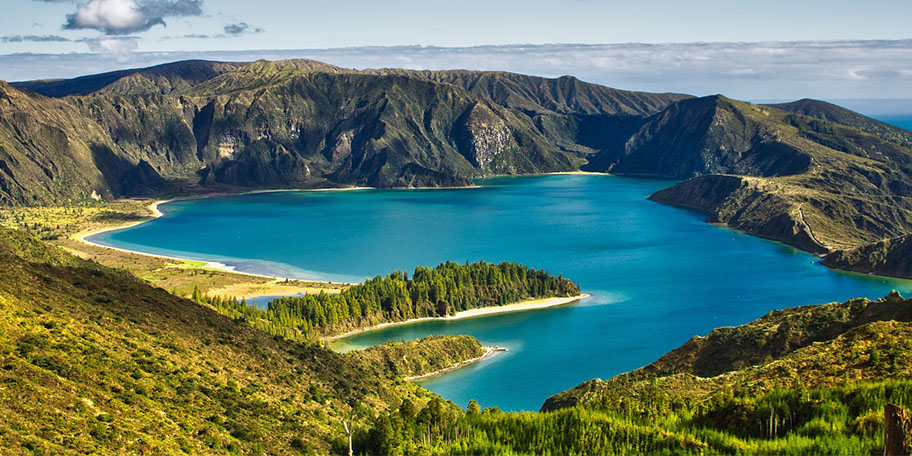
Situated in the middle of the Atlantic, the Azores are an archipelago of nine volcanic islands offering breathtaking landscapes. Each island has its own character, but all share impressive natural beauty with crater lakes, thermal springs, and steep cliffs. The Azores are a paradise for adventure lovers, offering countless opportunities for hiking, diving, and whale watching. Visitors can also explore picturesque villages where time seems to have stopped, savor local specialties like pineapple and cheese, and relax in the many natural parks. With their tranquil atmosphere and spectacular landscapes, the Azores are an ideal destination for those looking to recharge away from the beaten path.
Is Portugal divided into regions?
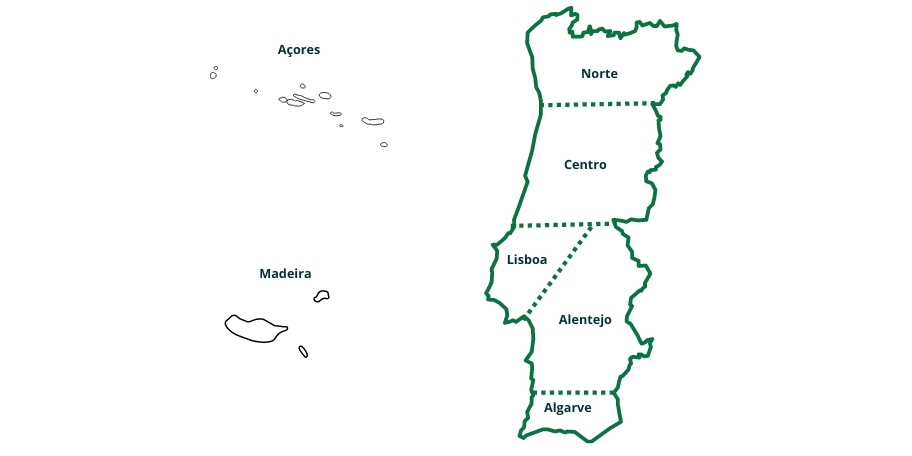
Yes, Portugal is officially divided into 5 mainland regions: **North, Centre, Lisbon Metropolitan Area, Alentejo, and Algarve**, plus two autonomous archipelagos: **Madeira** and the **Azores**. These regions reflect administrative and cultural distinctions.
What are the 11 provinces of Portugal?
Historically, Portugal was divided into 11 provinces:
- Minho
- Trás-os-Montes e Alto Douro
- Beira Alta
- Beira Baixa
- Beira Litoral
- Estremadura
- Ribatejo
- Alentejo Litoral
- Alto Alentejo
- Baixo Alentejo
- Algarve
Although no longer an official division, these provinces are still referenced for cultural and geographical purposes.
What are the 18 regions of Portugal?
Portugal is administratively divided into 18 districts on the mainland:
- Aveiro
- Beja
- Braga
- Bragança
- Castelo Branco
- Coimbra
- Évora
- Faro
- Guarda
- Leiria
- Lisbon
- Portalegre
- Porto
- Santarém
- Setúbal
- Viana do Castelo
- Vila Real
- Viseu
To these, we add the two autonomous regions:
- Madeira
- The Azores
Which region in Portugal is the most beautiful?
Beauty is subjective, but some of the most stunning regions include **Douro Valley** for its terraced vineyards, **Algarve** for its dramatic coastline, **Madeira** for lush landscapes, and **Sintra** for its fairy-tale palaces. Each region has its own unique charm, depending on what you seek—mountains, beaches, culture, or nature.
Each region of Portugal has its own identity, charm, and treasures to discover. Whether you are attracted by historic cities, stunning natural landscapes, idyllic beaches, or local traditions, Portugal has something to satisfy all your travel desires. Explore this fascinating country and let yourself be enchanted by the richness and diversity of its regions.