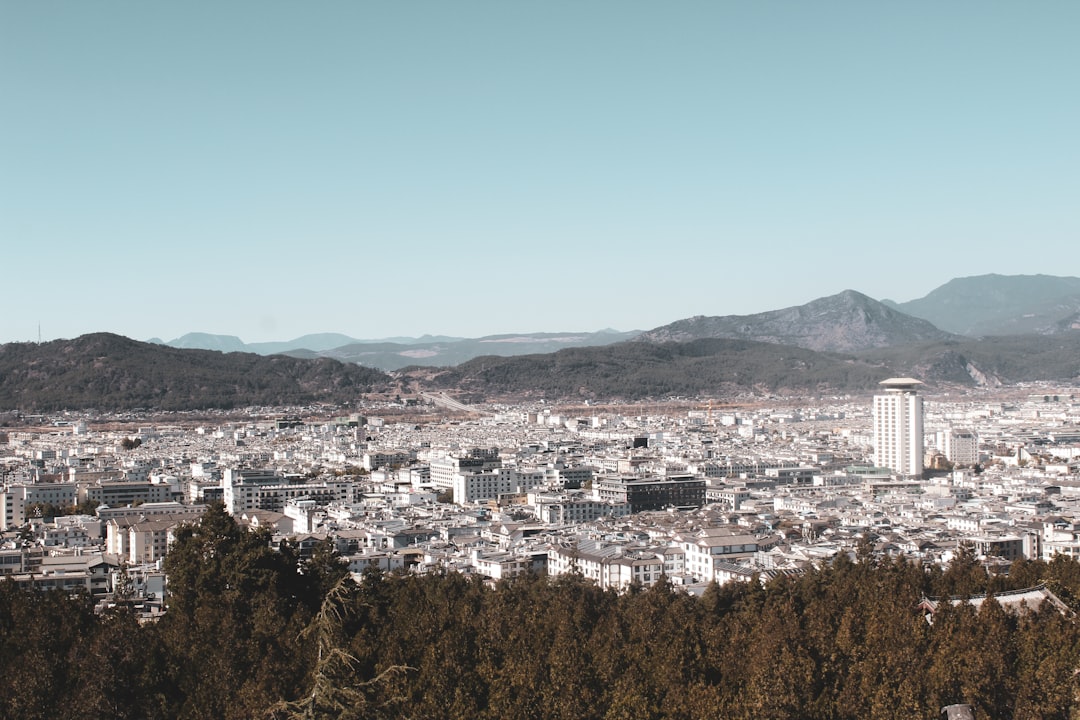
The Typical Architecture of Portugal
Azulejos, Emblems of Porto
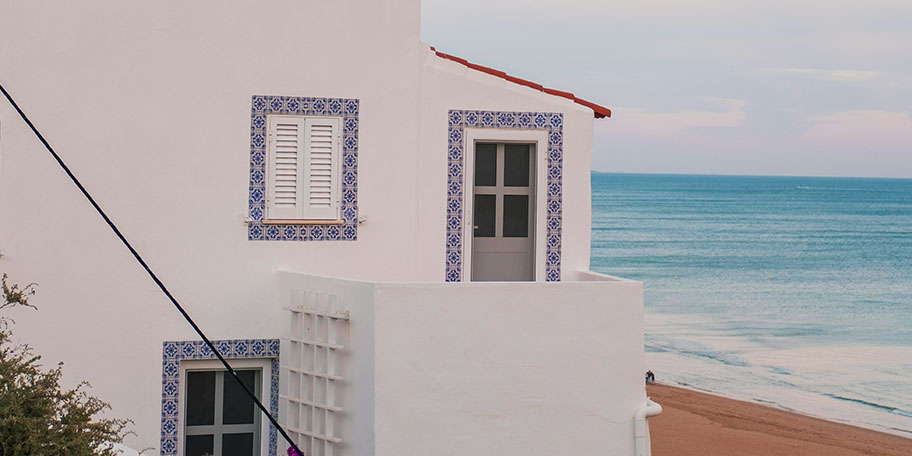
When thinking of Portuguese architecture, azulejos, those colorful ceramic tiles, immediately come to mind. Imported by the Spaniards, who themselves drew from the Moors, Portuguese azulejos are often blue but also come in yellow, red, brown, and pink, adorning the façades of Portuguese buildings, forming mosaics, or telling stories. Used since the 16th century in building construction for their waterproofing and insulation, azulejos are the very soul of historical neighborhoods, bearing witness to Portugal’s artistic and cultural heritage.
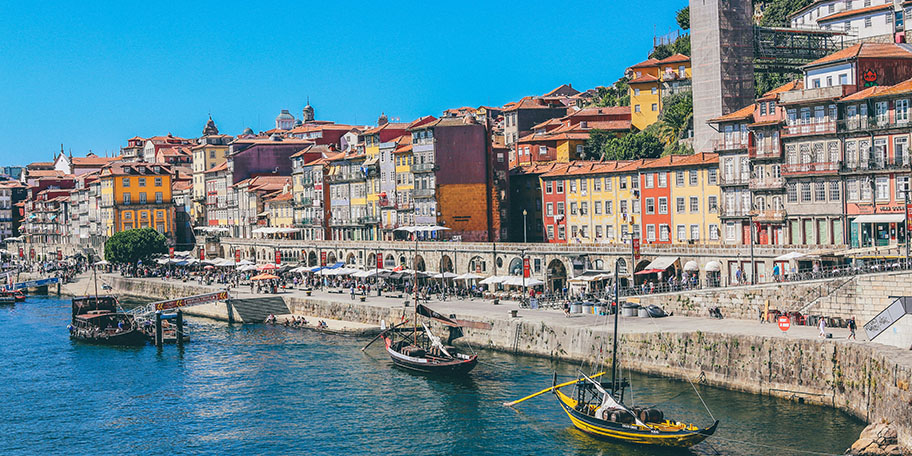
In Porto, these ceramic façades are particularly prevalent in the historic center, a UNESCO World Heritage site, along the narrow streets and in the famous São Bento train station, where blue mosaics depict scenes from popular life and key periods of Portuguese history from the 12th to the 15th century.

Whitewashed Houses, Typical of Alentejo
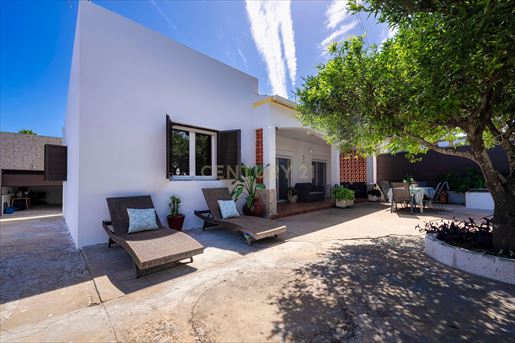
Whitewashed houses are emblematic of the Algarve and also the Alentejo, a sunny region in southern Portugal. These homes, with immaculate walls often accented with blue or yellow around doors and windows, are designed to reflect the intense summer heat and maintain a cool interior. The simplicity of these houses reflects the rural and serene lifestyle of the Alentejo, where picturesque villages blend harmoniously into the rolling hills and wheat fields. Visiting villages like Évora or Monsaraz, you will be charmed by the authenticity and timeless beauty of these traditional homes.

The « Pajamas » Houses of the Costa Nova
The pajama houses of Costa Nova, located on the northwest coast of Portugal, are famous for their colorful stripes and unique charm. Initially fishermen’s cabins, these houses were painted in bright vertical or horizontal stripes to make them visible from the sea. Today, they symbolize the vibrancy and originality of this seaside region.

Thatched Roof Houses of Madeira
The triangular thatched roof houses, or « palheiros, » are a true architectural signature of Madeira. Today, only a few remain, particularly in Santana, highly prized for tourist photos! These charming triangular houses are built of stone and wood, with a thatched roof extending almost to the ground. Historically used as agricultural dwellings, they are now a cultural symbol of Madeira. The thatch, a natural insulating material, effectively protects against the weather, while the very simple structure evokes a rural lifestyle harmonious with the surrounding nature.

Schist Constructions of the Center
If you seek a charming spot in rural and authentic Portugal, you will love the schist villages of central Portugal. In places like Piódão or Talasnal, for example, the stone houses blend completely into the surrounding wooded and mountainous nature, offering a splendid spectacle! Exploring these villages, you will discover a preserved heritage where the past and present coexist harmoniously, providing a unique insight into Portuguese rural life and its architectural ingenuity.

Açoteias of the Algarve
Houses near the Atlantic coast often include flat roofs, called açoteias, initially used for drying fish and fruit. These flat roofs are inspired by Moroccan architecture, with simple, straight lines. The most emblematic example is the town of Olhão, even nicknamed the cubist city!

Contemporary Architecture in Lisbon
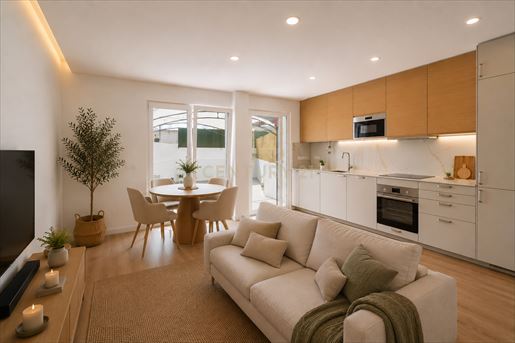
Lisbon is one of the cities with the most architectural diversity in Portugal. Between Manueline constructions, Pombaline buildings, Moorish influences, and Gothic remnants, the city is a true mosaic of architectures! One of the city’s strengths is having fused the old and the ultra-modern in perfect harmony. Many historic buildings in the capital have been rehabilitated to house modern living spaces while preserving their original façades. The MAAT (Museum of Art, Architecture, and Technology) is a perfect example: located on the banks of the Tagus, this museum combines bold contemporary architecture with the old Central Tejo, a historic power plant.

The Villas by the Coast
Whether in the north or south, seaside areas are always conducive to villas, these luxurious houses with large bay windows, grand pools, or exceptional views of the sea or region. These prestigious properties are particularly abundant in areas like Cascais, Estoril, and Costa da Caparica. The villas and luxury properties are often located in secure neighborhoods, with easy access to golf courses, marinas, and beaches. They attract an international clientele looking to combine comfort, elegance, and a Mediterranean lifestyle.

Country Quintas
Quintas can be found throughout the Portuguese countryside. These traditional rustic houses or old farms often come with large plots of land, mostly covered with orchards, vineyards, orange groves, or olive groves! Quintas have the charm of agricultural homes, made of stone and wood, and are often renovated to become vast, very comfortable houses, particularly suitable for family vacations.

Conclusion
Portugal is an open-air museum where each region tells its story through unique and diverse architectural styles. From colorful azulejos to the charming pajama houses of Costa Nova, through the country quintas and açoteias of the Algarve, Portuguese architecture is an inexhaustible source of discoveries and inspiration. By exploring these architectural gems, you will understand why so many people fall in love with this sunny country. Whether you are looking for a secondary residence or simply a cultural immersion, Portugal promises an unforgettable journey through its traditions and exceptional architectural heritage.