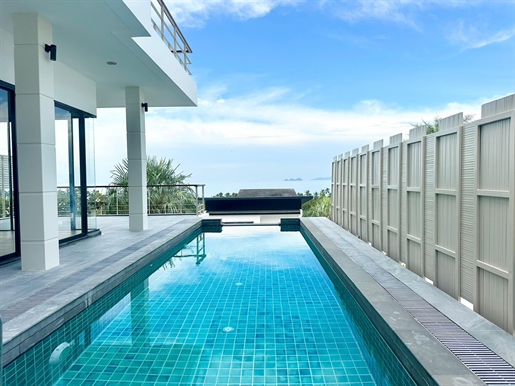
Key Monthly Expenses in Thailand
Housing (rent or maintenance if you own) in your chosen area
Housing costs in Thailand vary greatly depending on location. For instance, renting a modest apartment in Chiang Mai housing market might cost around $300–$500 per month, while a luxury condo in Bangkok real estate options could be $1,200 or more. If you own property, consider maintenance fees and utility bills as regular monthly expenses.
Selecting an area that balances your budget and lifestyle is key to staying comfortable without overspending.
Utilities, Groceries, Transportation, and Insurance Premiums
Monthly utilities such as electricity, water, and internet generally add up to $50–$150 depending on usage. Groceries can range from $150–$300 monthly when shopping at local markets and cooking at home.
Transportation costs vary widely; using public transport and motorbikes is affordable, often under $50 per month, while owning a vehicle increases expenses. Insurance premiums, including health insurance, typically range from $50 to $150 monthly depending on coverage and age.
One-time and Annual Costs in Thailand
Initial Setup (furniture, visa fees, vehicle purchase)
Setting up your home may require an upfront investment — buying furniture can range from $500 to $3,000 depending on your preferences. Visa fees vary but typically cost between $200 and $600 annually for retirees.
Purchasing a vehicle, such as a used motorbike or car, might add $1,000 to $5,000 to your initial budget.
Travel Home to Visit Family, Visa Renewal Trips if Needed
Many retirees allocate funds for periodic flights back home to visit family or for visa runs. Expect to budget around $500–$1,200 annually depending on distance and frequency.
Planning ahead for these expenses prevents surprises and keeps travel enjoyable. ✈️
Lifestyle Choices in Thailand
Eating Local vs Imported Foods, Frequenting Local Markets vs Expat Stores
Choosing to eat mostly local Thai food can significantly reduce your budget. A meal at a local market might cost as little as $1–$3, whereas imported or specialty foods at expat stores are much pricier.
Balancing enjoyment and budget by mixing local and imported items can enrich your experience while managing costs.
Choosing Domestic Travel vs International Holidays During Retirement
Exploring Thailand’s diverse regions offers affordable travel opportunities, often under $100 for trips to nearby destinations. International holidays cost more, sometimes several hundred dollars per trip.
So prioritizing domestic travel can help maintain a comfortable budget while satisfying your wanderlust. 🌴
Sample Budgets in Thailand
Frugal Retiree vs Moderate vs Luxury Retirement Budgets with Figures
Frugal retiree: Around $1,000–$1,500 per month covering basic rent, food, and minimal extras.
Moderate retiree: Approximately $1,800–$2,500 monthly including a nicer home, regular dining out, and travel.
Luxury retiree: $3,000+ per month enjoying high-end housing, imported goods, international holidays, and premium services.
Emergency Fund Allocation for Healthcare or Unexpected Events
Setting aside an emergency fund of at least 6 months’ expenses, or roughly $6,000–$12,000 depending on your budget, is advisable.
This fund can cover unexpected healthcare costs or sudden changes in your situation. Access to quality medical care is available, but budgeting ahead provides peace of mind. 🏥
Adjusting Over Time in Thailand
Accounting for Inflation and Exchange Rate Fluctuations
It’s important to adjust your budget annually for inflation, which in Thailand has averaged around 2–3% recently. Exchange rates between your home currency and the Thai baht can also impact your spending power.
Regular reviews and flexible planning help you stay financially secure over the years.
Possibility of Needing More Medical Care as Years Go On (and Budgeting for It)
Healthcare needs often increase with age. Planning for additional medical care and potential insurance upgrades ensures you remain covered.
Many retirees opt for international health insurance policies that offer broader coverage, even if they come at a higher premium.