Traditional Thai Houses
Often Raised on Stilts for Ventilation
Many traditional Thai houses, especially those in the countryside, are raised on stilts. This design allows airflow underneath the house, helping to keep interiors cool and protect against flooding. These raised homes also minimize insect intrusion and make use of natural ventilation — crucial in Thailand’s tropical climate.
Wooden Structures, Steep Roofs for Rain Runoff, Open-Air Common Spaces
Traditional homes are typically made from wood with steeply pitched roofs designed to efficiently shed heavy seasonal rains. Open-air living spaces and large verandas encourage natural light and social interactions, blending indoor and outdoor living harmoniously.
These features exemplify how traditional Thai architecture respects both the environment and lifestyle.
Modern Thai Homes
Blend of Thai Elements with Modern Materials
Modern Thai homes often combine classic Thai design features such as tiered roofs with contemporary materials like tiles and concrete. This fusion offers durability while still embracing cultural aesthetics.
For example, concrete structures provide enhanced stability and require less maintenance than traditional wood.
May Include Spirit House in Yard as Cultural Element
Many modern homes honor tradition by including a spirit house in the yard—an important cultural feature intended to bring protection and good luck to the household. This blend of old and new reflects the enduring cultural identity within evolving lifestyles.
Western-Style Homes
Developers Often Build Villas with Western Layouts
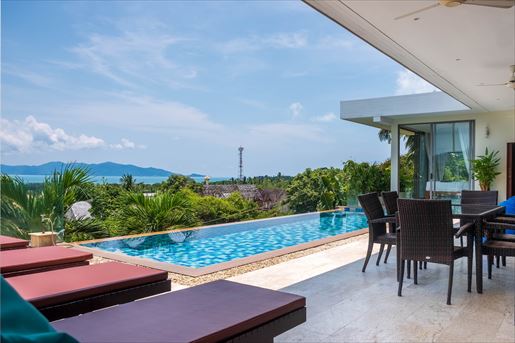
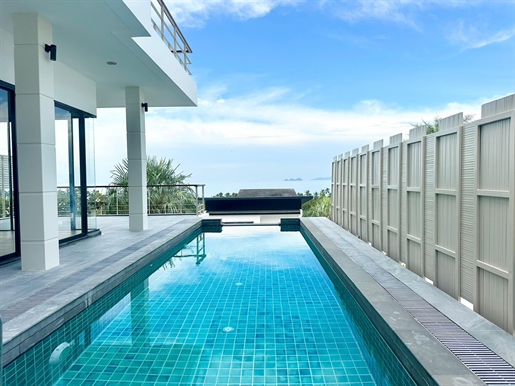
Western-style homes in Thailand usually feature layouts familiar to expats and international buyers. Popular features include open kitchens conducive to family gatherings, en-suite bathrooms for privacy and comfort, and spacious indoor areas designed for modern living.
More Emphasis on Indoor Living Space with Insulation and Large Windows
Unlike traditional homes that focus on ventilation, Western-style houses often prioritize insulated walls and large windows to optimize indoor climate control.
These homes cater to the preferences of residents seeking comfort with air conditioning and a design adapted to lifestyle rather than climate alone.
Condominiums and Apartments
Catered to International Tastes with Modern Fittings
Condos and apartments in Thailand are commonly designed with smaller kitchens, reflecting the local tendency to dine out frequently. They come equipped with modern appliances and fittings to meet international standards of convenience.
Luxury Condos Mirror Western Designs with Tropical Adjustments
High-end condominiums merge Western architectural styles with tropical adaptations such as large balconies for outdoor living and integrated air conditioning units to combat the tropical heat.
These residences are especially appealing to expatriates and professionals seeking a blend of comfort and culture.
Choosing Your Style
Traditional Houses Have Charm but May Need Renovation for Comfort
While traditional Thai homes possess undeniable charm and cultural value, they often require upgrades like air conditioning, modern plumbing, and electrical systems to meet contemporary comfort standards.
Renovations can be a rewarding project but require careful planning and investment.
New Builds Often Easiest for Move-In, Some Expats Prefer Restoration
Newly constructed homes offer convenience with ready-to-live-in conditions, lower maintenance demands, and often include modern amenities. Yet, some expatriates cherish restoring traditional Thai homes for authentic living experiences, relishing the cultural connection and unique architectural details.
😊