Bangkok’s Network
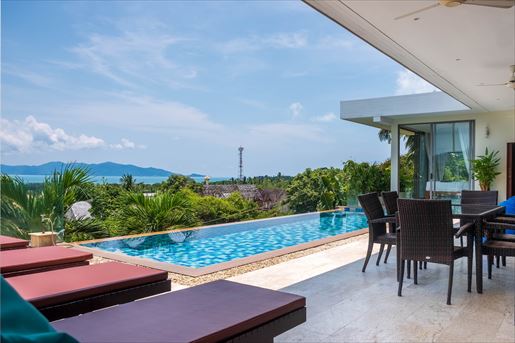
Bangkok, Thailand’s sprawling capital, boasts a well-developed public transport infrastructure that helps expats and locals move efficiently despite traffic congestion. In fact, for those considering a long-term residence in Bangkok, property listings indicate a vibrant market that resonates with many newcomers.
Skytrain (BTS) and Subway (MRT) Covering Major City Areas Efficiently
The BTS Skytrain and MRT subway form the backbone of rapid transit in Bangkok. Covering major business, shopping, and residential districts, these systems offer a clean, fast, and air-conditioned alternative to road transport. Daily ridership exceeds 700,000 on the BTS alone, showing its popularity and efficiency.
Fares typically range from 16 to 59 THB, making it an affordable option.
Buses and Canal Boats Offer Ultra-Cheap if Less Comfortable Rides
For budget travelers, Bangkok’s extensive bus network provides an economical option with fares as low as 8 THB. Although buses can be slower due to traffic, they reach areas not served by trains. Additionally, canal boats running along the city’s waterways offer a unique scenic commute, costing about 15 THB per ride.
This option can be a pleasant alternative for those seeking a bit of charm and history in their daily travel.
Provinces and Smaller Cities
Outside Bangkok, public transportation adapts to more localized needs, often combining traditional and practical options. Many expats may also find appealing property offerings in Chiang Mai, where the tranquil lifestyle and public transportation options make it a preferred choice for many.
Songthaews (Shared Trucks) as Local Buses in Cities Like Chiang Mai, Pattaya
Songthaews—converted pick-up trucks with benches—serve as informal shared taxis and local buses in many provincial towns. In Chiang Mai and Pattaya, these vehicles are a primary mode of transport, costing roughly 20-30 THB per trip.
They are flexible and frequent but may require some negotiation on routes and fares.
Motorbike Taxis for First/Last Mile Connectivity
Motorbike taxis are invaluable for quick, short trips, especially when public transport routes don’t reach your destination. They’re easy to spot by their colorful numbered vests and offer fast, affordable rides, typically under 50 THB within the city.
Many expats rely on motorbike taxis to connect from bus stations or Songthaew stops to home or work.
Intercity Travel
For moving between provinces, Thailand offers comfortable and affordable options that balance speed and scenic value.
Excellent Coach Buses Linking Provinces (Comfortable and Affordable)
Long-distance coach buses have comfortable seats, air conditioning, and sometimes Wi-Fi. They link major cities and tourist destinations reliably and cheaply, with fares varying based on distance but often under 500 THB for several hours.
Modern terminals provide good amenities, making coach travel a practical choice for expats on a budget.
Train Network – Scenic Routes Like Bangkok to Chiang Mai (Slower but Charming)
The Thai train network offers a unique travel experience, especially the route from Bangkok to Chiang Mai renowned for picturesque countryside views. Though slower than buses or flights, trains can take 10-14 hours for this journey, appealing to those valuing the journey itself.
Tickets range from around 200 to 1,000 THB depending on class and comfort.
Ride-Hailing and Taxis
The rise of smartphone apps and traditional taxis gives expats flexible options for urban travel.
Grab App Popular in Big Cities for Cars and Bikes (Convenient and Safe)
Grab is the leading ride-hailing app in Thailand, popular among expats for its ease of use, safety features, and transparent pricing. It offers car rides and motorbike taxis with estimated fares and driver ratings.
Essential in Bangkok and Chiang Mai, Grab also helps solve last-mile connectivity challenges.
Metered Taxis Ubiquitous in Bangkok (Insist on the Meter)
Metered taxis remain common in Bangkok, especially around airports and tourist areas. For fair pricing, always insist the driver uses the meter. Typical fares start at 35 THB, with additional charges for distance and highway tolls.
While less tech-savvy than Grab, taxis remain a reliable choice for spontaneous rides.
When You Might Need a Car
Despite extensive public transport, there are scenarios where having a personal vehicle can be convenient.
Living in Suburbs or Areas with Limited Public Transport (Own Vehicle Becomes Handy)
In suburban zones or rural provinces with sparse or no public transit, owning a car provides independence and access to services without long waits or complicated connections. This is common for expats settling outside major cities or in areas under development.
Additionally, if you are considering settling in Pattaya, you’ll find a variety of options available that cater to expat needs.
For Grocery Runs or Family Outings in Places with Sparse Transit
Vehicles simplify errands like grocery shopping and recreational trips, especially where public transport schedules are infrequent or routes indirect. Having a car can enhance quality of life by reducing travel time and increasing flexibility for families or groups.