Property Price Comparison (Turkey vs Spain)
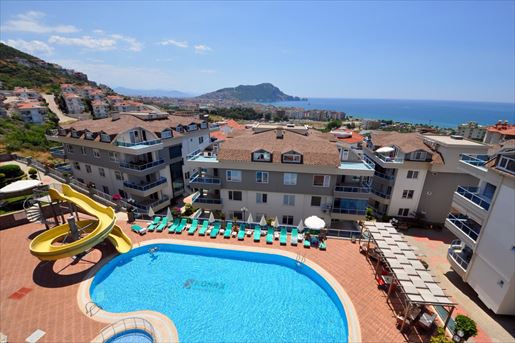
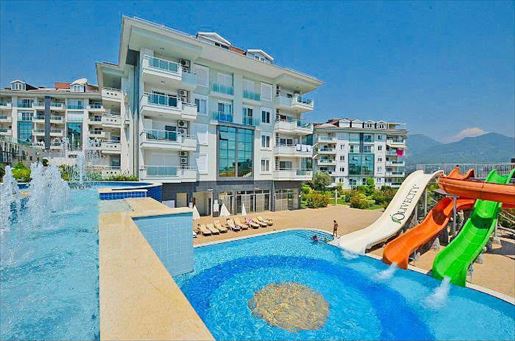
The first factor for many buyers is price. In general, Turkey offers more affordable property options compared to Spain. For example, average apartment prices in coastal Turkish cities like Antalya or Alanya can range from €50,000 to €120,000, whereas similar properties in popular Spanish locations such as Alicante, Spain often start at around €150,000 to €250,000. 🏘️ This price difference can be attributed to local market dynamics, currency fluctuations, and economic factors.
On Green Acres, the average property price in Antalya is currently €404,000 for around 158 m², showing that while Turkey is often cheaper, some areas can command higher prices based on location and amenities.
Buying Process Differences (Turkey)
Buying property in Spain involves notaries who play a key role in authenticating documents and overseeing the final transaction. Buyers must also obtain a NIE (Foreigner Identification Number) and open a Spanish bank account. The process typically takes 1 to 3 months.
In Turkey, the process is somewhat quicker but requires navigating government offices like the Tapu (land registry) and obtaining a tax number. Foreign buyers must apply for military clearance in certain regions, which can add a few weeks to the timeline. ⏳ Overall, the Turkish process may take around 1 to 2 months.
Taxes and Ongoing Costs in Each Country
Spain charges a property transfer tax that ranges between 6% and 10% depending on the region. There is also an annual property tax called IBI, typically around 0.4% to 1.1% of the property’s cadastral value. Additionally, non-resident owners pay a wealth tax if their assets exceed certain thresholds.
Turkey applies a property purchase tax of about 4%, and an annual property tax generally between 0.1% and 0.3% of the declared value. Other fees include maintenance costs and municipality charges. 💰
Foreign Buyer Restrictions and Legal Considerations in Turkey
Spain allows EU and non-EU buyers to purchase property with few restrictions, though military zones are off-limits. Turkish property law also permits foreign ownership, but foreigners cannot buy land in certain military or strategic areas. Some limitations exist for agricultural land. Legal advice is recommended in both countries to navigate regulations and avoid pitfalls.
Deciding Factor: Which Market Fits Your Goals in Turkey
Choosing between Turkey and Spain should reflect your priorities. If budget friendliness and faster processes are key, Turkey may have an edge. For buyers looking for EU residency perks, established infrastructure, and a more familiar legal framework, Spain is attractive. 🏡 Consider your long-term plans, such as rental income goals or retirement needs.
Climate and Lifestyle: Mediterranean Turkey vs Spain
Both countries enjoy Mediterranean climates with hot summers and mild winters. Spain’s Costa del Sol and Turkey’s Mediterranean coast offer sun-soaked beaches and vibrant cultural scenes. However, Spain typically has a more developed tourism infrastructure.
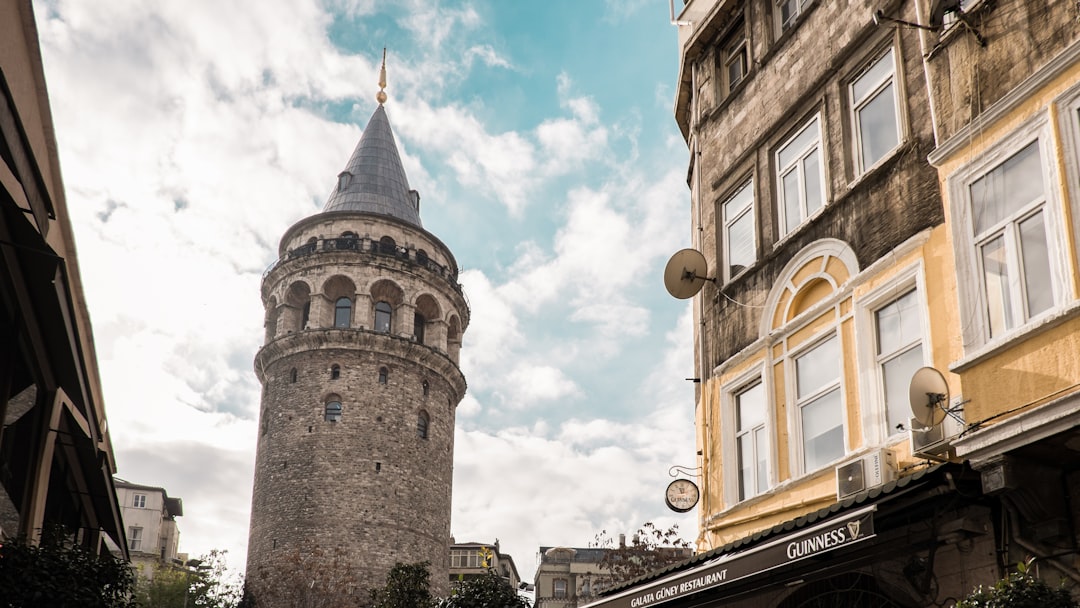
Lifestyle in Turkey may be more traditional and diverse, blending European and Middle Eastern influences. ☀️🌊
Cost of Living and Property Prices Comparison in Turkey
Turkey generally offers a lower cost of living than Spain, with cheaper groceries, transportation, and dining out. For example, monthly living costs for a single person in Turkish coastal cities can be 30-40% less than in similar Spanish regions. This may affect your overall investment viability and quality of life after the purchase.
In Alanya, for instance, you can find average property listings at around €158,000 for a 154 m² space on Alanya, showcasing very competitive pricing in the Turkish market.
Visa and Residency Rules Post-Brexit (Turkey)
Spain remains part of the EU Schengen area, allowing visa-free entry for EU nationals, but UK buyers now face different rules post-Brexit, including the need for visas if staying longer than 90 days. Turkey offers a straightforward e-visa system for many nationalities and a property-linked residency permit program, making it an appealing option for international buyers. 🛂
Healthcare and Public Services in Each Country
Spain has a well-established public healthcare system rated highly in Europe. Foreign residents can access public healthcare after registering and obtaining residency.
Turkey also offers public healthcare, but quality and access can vary more by region. Private health insurance is common for expats in both countries to ensure comprehensive coverage.
Community and Language: Ease of Integration in Turkey
Spain has large expat communities especially in coastal areas, with many speaking English and other European languages, facilitating smoother integration. In Turkey, expat communities are smaller but growing, and while Turkish is the official language, many in tourist areas speak English.
Learning basic Turkish can enhance integration and daily life. 🤝